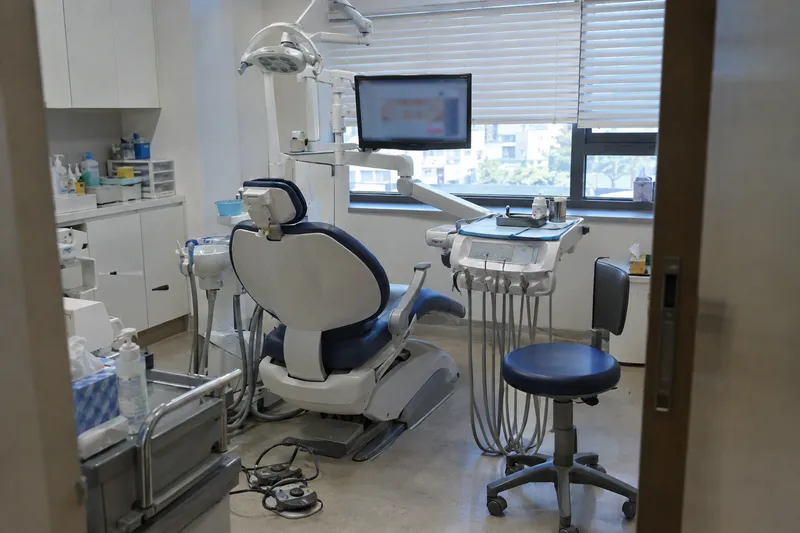
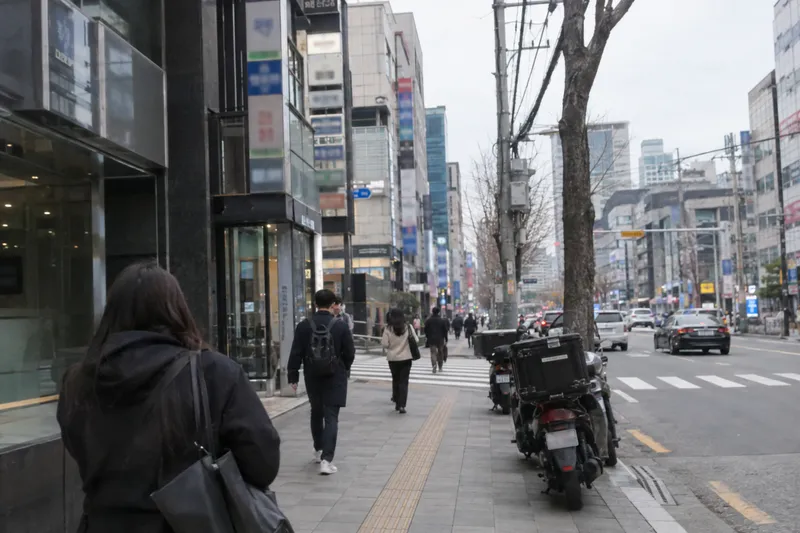
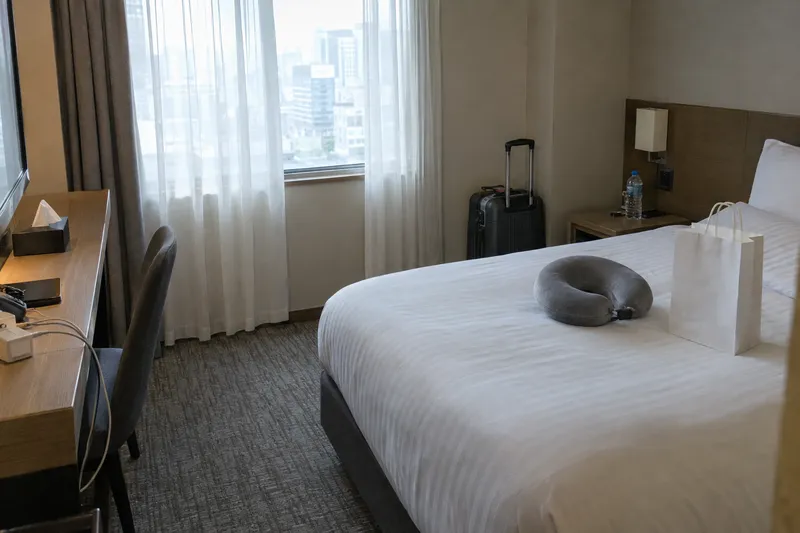
Getting veneers in Korea: what the two appointments actually involve
Written by KCODI medical interpreter team · English deskUpdated · 8 min read

Most people getting veneers in Korea are working with a week, maybe nine days. That is enough, but only if the two appointments are booked before you fly, because everything in between belongs to the dental lab and the lab does not hurry for anyone.
The other thing nobody explains in English: which kind of veneer you are being quoted for. Porcelain, minimal-prep, and composite bonding are three different procedures with three different tooth outcomes, and Korean clinics use the same word for all of them at the front desk.
This is what the week looks like, what gets decided in the first hour, and the questions our interpreters ask in Korean before anything is filed.
The three things sold as veneers
The difference is how much of your own enamel is removed and what the shell is made of. That decision is permanent for two of the three, so it belongs in the consultation, not at the reception desk.
| Porcelain veneer | Minimal or no-prep | Composite bonding | |
|---|---|---|---|
| Tooth surface removed | A thin layer, usually | Very little or none | None in most cases |
| Made where | Dental lab, from a scan or impression | Dental lab | Shaped on the tooth, same visit |
| Visits in Korea | Two, days apart | Two, days apart | Often one |
| Reversible | No | Sometimes | Yes, in most cases |
| Stains over time | Rarely | Rarely | More than porcelain |
| Typical reason to pick it | Shape and shade both changing | Shade change on tidy teeth | One or two chipped teeth, or a trial run |
Korean clinics call the porcelain type 라미네이트. Ask which of the three a quote covers before you compare it with anything you were told at home. The estimated range for each is on our veneers page.
How the week is built
A porcelain veneers Seoul case runs on the lab's calendar. Two chair appointments, a gap in the middle, and a fitting that you should not schedule for the morning of your flight.
- Day one, consultation: photos, an x-ray, a digital scan, a gum check and the shade conversation. Anything untreated, such as decay or gum inflammation, is handled first and can change the plan.
- Same day or day two, preparation: the teeth are shaped if your type needs it, a final scan is taken, and temporaries go on.
- Days three to five: the lab builds the set. You eat carefully and avoid anything sticky. Temporaries come off more easily than the real thing.
- Day five to seven, fitting: the set is tried in, the shade and bite are checked in daylight and in the mirror, adjustments are made, then it is bonded.
- Day after fitting: a short bite check if the clinic offers one. Worth keeping free.
What moves the price, and what a no-prep quote hides
Veneers are priced per tooth in Korea, which is why two quotes can look nothing alike. A smile makeover might be six teeth or ten, and the number of teeth is the single biggest thing moving a total.
- How many teeth are in the plan. Eight uppers reads differently from four.
- The material and the lab. Layered porcelain costs more than a pressed monolithic shell, and clinics work with different labs.
- Whether no prep veneers are possible for you at all. They suit tidy, slightly small or slightly discoloured teeth; on crowded or protruding teeth they add bulk, so a dentist may say no.
- Groundwork first: a filling, a deep clean, gum treatment, or whitening of the teeth that will not be covered, so the shade matches.
- Whether a night guard is included. Many people grind, and a guard protects the investment.
We book at the local partner rate, the same way Korean patients book, and you get an itemised quote in writing, per tooth, before any deposit. If the plan changes in the chair, the change is quoted again before it happens.
Composite veneers in Seoul, and when they are the smarter booking
Composite veneers Seoul searches usually come from two kinds of people: someone with one chipped front tooth, and someone who wants a reversible trial before committing enamel to porcelain. Both are good reasons.
Composite is resin shaped directly on the tooth and cured with a light. One appointment, no lab, and it can be adjusted or removed later. It picks up stain from coffee and turmeric faster than porcelain, and it chips more easily, so it is repaired rather than replaced.
If the goal is straighter teeth rather than whiter ones, veneers are the wrong tool and a good dentist will say so. That conversation is in orthodontics in Korea, and the overlap between the two is covered in bunny teeth.
Choosing a clinic when every result photo looks the same
Searching for the best veneers Seoul returns the clinics with the biggest marketing budgets. Result galleries are edited, lit and often show the same set of teeth from a favourable angle. Here is what our interpreters actually check.
- That the dentist who does the consultation is the one who does the preparation. Ask directly; it is a normal question in Korea.
- That the clinic shows you its own lab work, not a manufacturer's catalogue.
- That the quote lists each tooth and names the material and the lab.
- That someone explains what happens if a veneer debonds after you fly home, and what a local dentist would need from them.
- That the clinic is a registered medical institution for foreign patients, which you can check yourself.
Dental work also travels badly at speed. If you are combining it with another procedure, read how we sequence a trip in how many days you need in Korea, and see the rest of the dental menu on our dental clinic page or through clinic matching.
After the fitting: the first month
New veneers feel thick for a few days. Speech settles within a week for most people. Cold sensitivity is common early on and usually fades; if it sharpens instead, that is a call to make, not a thing to wait out.
- Avoid biting hard food with the front teeth. Bread crusts and ice are the usual culprits.
- Ask for a night guard if you clench, and wear it from the first night.
- Floss normally. The gum line around a veneer needs it more, not less.
- Keep the clinic's messenger contact. Your interpreter stays reachable after you fly home, so a question about sensitivity does not need a translation app at midnight.
If something feels high when you bite down, say so before you leave Korea. A bite adjustment takes minutes here and is a much bigger problem from another country.