The emergency number in Korea is 119. Here is what to say, and what happens after you hang up
Written by KCODI medical interpreter team · English deskUpdated · 8 min read

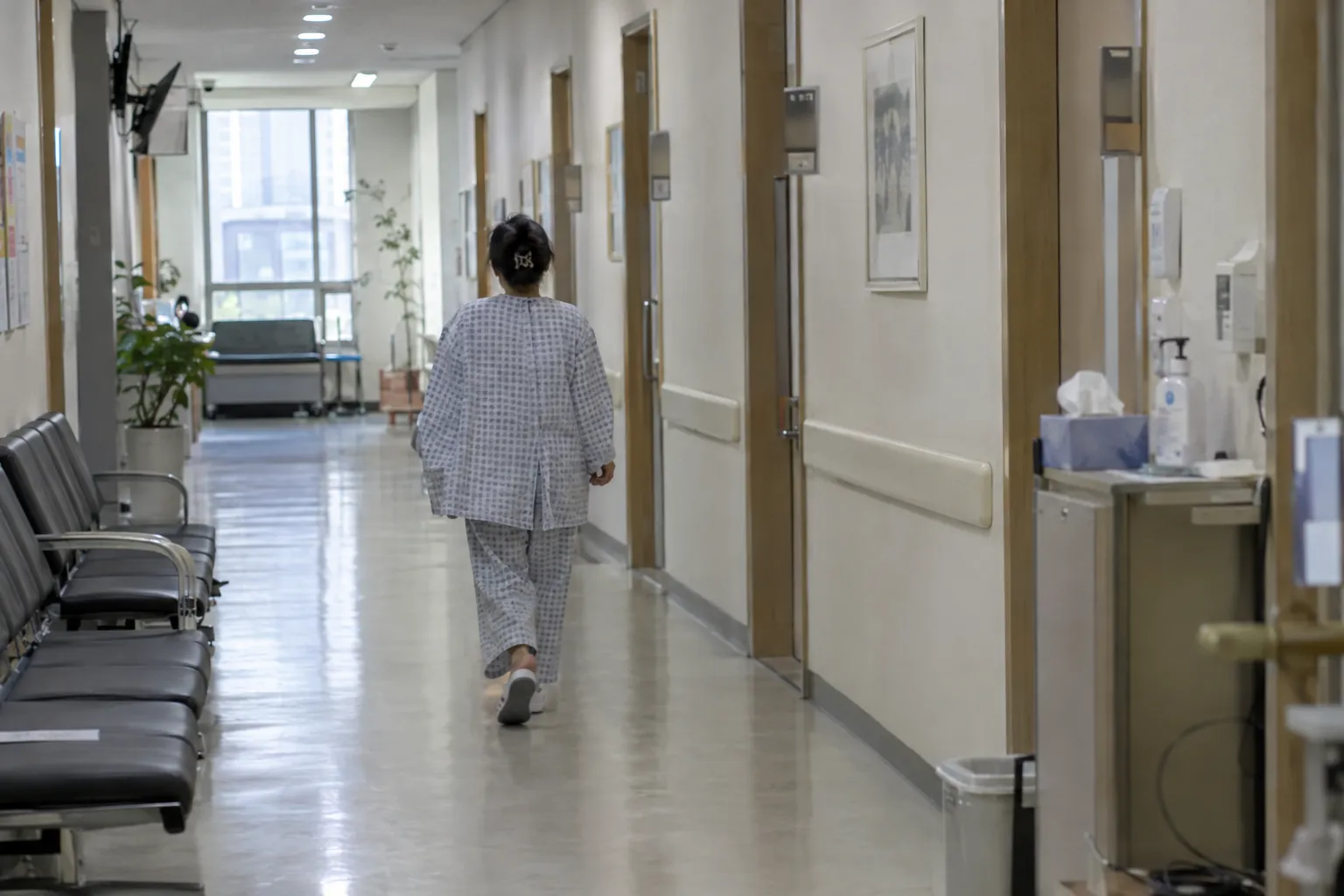
If you need an ambulance or the fire service anywhere in Korea, the emergency number is 119. For police it is 112. Those two numbers work from any phone, including a foreign SIM, and they are free to call.
That is the whole answer, and it is worth reading the rest anyway, because what usually goes wrong for a foreign patient in Korea is not the dialling. It is the ten minutes afterwards: saying where you are, understanding which hospital you are going to, and finding out at the desk what you are expected to pay.
This is a medical emergency guide written from what interpreters see on the other end: the phone calls at night, the emergency-room paperwork, the insurance question nobody asked before flying.
119 and 112: which one, and what to say
119 is run by the fire service, which in Korea also provides public emergency medical services. It sends fire crews and ambulances. 112 is the police. If you are unsure, dial 119; the operator will redirect you.
Interpretation support is available on emergency calls, but do not assume it connects instantly. Say the most important thing first, in the simplest English you can manage, and repeat it.
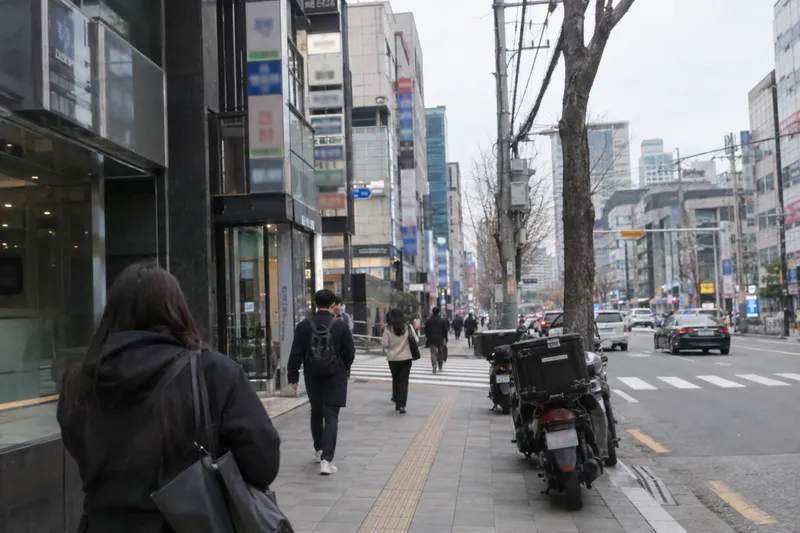
- Where you are. A building name, a subway station exit, a road sign, anything written nearby. Korean street addresses are hard to say aloud; a station exit number is easy and precise.
- What happened. Unconscious, not breathing, chest pain, heavy bleeding, a fall, a bad reaction after a procedure.
- How many people and whether the person is awake.
- Your phone number, so they can call back.
- Then stay on the line. Do not hang up to look something up.
| English | Korean | Say it as |
|---|---|---|
| Emergency | 응급 | eung-geup |
| Ambulance | 구급차 | gu-geup-cha |
| Emergency room | 응급실 | eung-geup-sil |
| It hurts here | 여기가 아파요 | yeo-gi-ga a-pa-yo |
| I had surgery | 수술 받았어요 | su-sul ba-da-sseo-yo |
| I am allergic to this | 이거 알레르기 있어요 | i-geo al-le-reu-gi i-sseo-yo |
Where the ambulance takes you
It is not always the nearest hospital. Crews route patients to an emergency department that can actually treat the problem and that has a bed free at that moment, which is why the answer to where am I going can change while you are moving.
For anything serious this is the right system and you should let it work. What it means for you is that you may end up at a large university hospital rather than the clinic where you had a procedure, and the two have no shared record of you.
Bring your passport if someone can fetch it. Emergency departments will treat you without it, and the administration afterwards is slower.
What it costs, and medical insurance in Korea for foreigners
Korea's National Health Insurance covers residents who are enrolled, including many long-stay foreign residents. A visitor on a short-term stay is normally not covered, and an emergency department will bill you as a private patient.
- Check before you fly whether your travel policy covers emergency treatment abroad, and whether it excludes anything connected to an elective cosmetic procedure. Many do exclude it.
- Ask your insurer whether they pay the hospital directly or reimburse you afterwards. In Korea it is usually the second, so expect to settle at the desk and claim later.
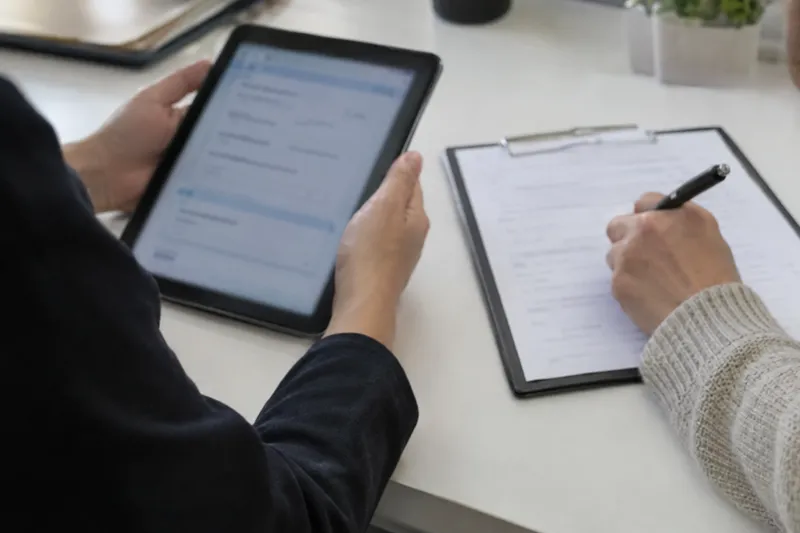
- Keep every receipt and ask for an itemised statement. Ask specifically for a copy in English if the hospital can issue one.
- If you are a longer-term resident, the National Health Insurance Service's English site explains enrolment and what is covered.
- Clinics that are registered to treat foreign patients must carry malpractice liability insurance, which is a different thing from your travel cover, and worth checking before a procedure rather than after.
Finding a hospital in Korea yourself
For things that are not emergencies, two official searches are more reliable than a map app in English.
The National Emergency Medical Center, known as E-Gen, publishes which emergency departments and pharmacies are open right now, including holidays and late nights. It is the source behind most of the apps that claim to do this.
The Medical Korea official website runs the clinic search for institutions registered to treat foreign patients. That registration is exactly what you want to check before booking anything elective, and it is covered step by step in how to check a clinic license in Korea.
The Medical Korea Support Center also answers questions from foreign patients on +82-1577-7129, and K-MEDI handles medical dispute mediation if a treatment goes wrong.
The five-minute preparation that makes all of this easier
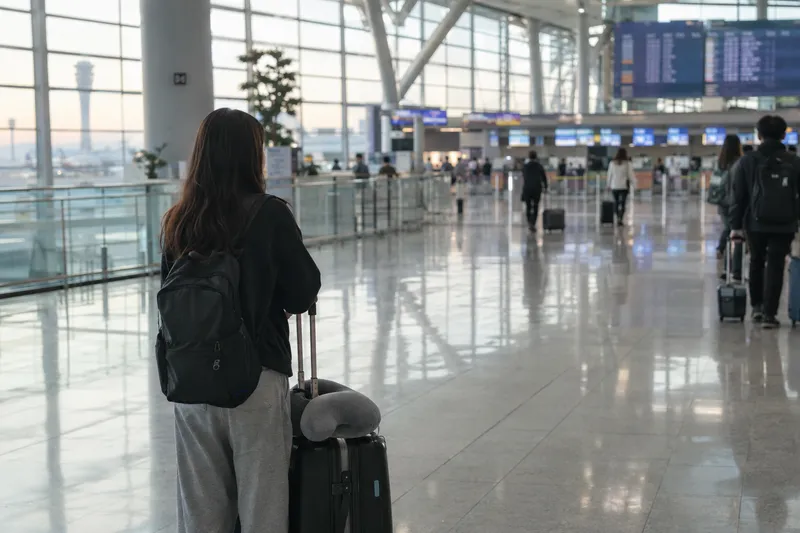
- Save 119 and 112 in your phone, and save the clinic's Korean name and address as a contact.
- Photograph your passport page, your travel insurance certificate and any Korean quote or discharge sheet.
- Write down your allergies and regular medicines, generic names rather than brands, and keep it on your lock screen.
- Note the nearest large hospital to your hotel. You probably will not use it. Finding it takes two minutes now and twenty at 3am.
- Tell someone at home your clinic name and your dates.
- If you are having surgery, know which nights you should not be alone. Our procedure pages list the recommended stay for each operation.
For planning a trip around a treatment, start with the health checkup page or clinic matching, or meet the interpreters who stay with patients through consultation and treatment day. If you are choosing a district to stay in, the Apgujeong and Cheongdam clinic map shows which hospitals sit near which clinic streets.