How much does full face plastic surgery cost in Korea? It depends on how many operations you are actually booking
Written by KCODI medical interpreter team · English deskUpdated · 9 min read


How much does full face plastic surgery cost in Korea is one of the hardest questions to answer honestly, because there is no procedure called full face surgery. There is a list, and the list is written during your consultation.
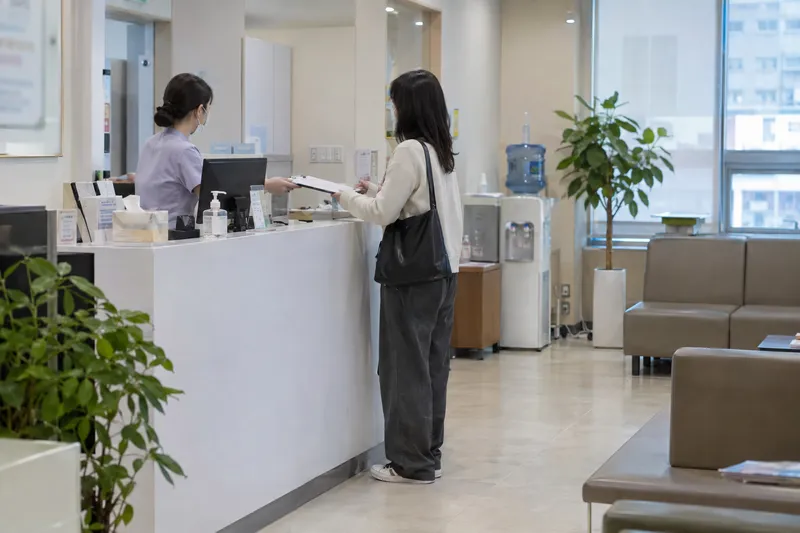
Interpreters watch that list grow in real time. A patient comes in for a nose. The surgeon mentions the chin, because a chin changes how a nose reads. The consultant adds a fat graft while the calculator is open. Forty minutes later the plan is four operations and the person has no idea which part was their idea.
So this guide explains what a full-face plan actually contains, the things that move the total up and down, and how to leave Korea having paid for what you chose rather than what was suggested.
What a full-face plan usually contains
South Korean face surgery gets packaged into a small number of recurring combinations. Knowing the names means you can ask for a line-by-line quote instead of one total.
| Operation | What it changes | Anaesthetic | Usually combined with |
|---|---|---|---|
| Jaw and cheekbone contouring | The width and line of the lower face | General | Chin work; sometimes a nose |
| Rhinoplasty | Bridge, tip and nostrils | General | Almost anything else |
| Double eyelid surgery | The eyelid crease, sometimes ptosis | Sedation | Under-eye work |
| Under-eye fat repositioning | Hollows and bags below the eye | Sedation | Eyelid surgery |
| Facial fat grafting | Volume in temples, cheeks, forehead | Sedation or general | Contouring, as a finishing step |
| Facelift | Sagging skin and deeper layers | General | Fat grafting; usually a different age group |
Each of these has its own page with the Seoul market range and the recommended stay: facial contouring, rhinoplasty, double eyelid surgery, under-eye fat repositioning and facelift.
Add the ranges together and you have a rough band, not a quote. The real number arrives after an examination, and it should arrive itemised.
What moves the total
- How many operations, and whether they share one anaesthetic. Combining reduces anaesthetic and facility charges. It does not halve the surgical fees.
- Bone work or soft tissue. Anything that cuts bone costs more, takes longer in theatre and needs a longer stay in Korea.
- Whether it is a first operation or a revision. Revision takes longer, needs more material and carries more risk, so it is priced higher. Our revision surgery page covers that separately.
- Materials. Your own cartilage, a donor material or an implant are different line items.
- Who operates. A senior surgeon's list costs more than a junior one's, and in a large clinic you should confirm in writing which surgeon is in the room.
- Hospital days. Bone surgery often includes a night or two of inpatient care that a filler-and-eyelid plan does not.
- Aftercare included or extra. Dressings, swelling management, scar care and review visits are sometimes inside the quote and sometimes not.
- Whether anything happens later. Ask what a touch-up costs and how long you must wait before one is even possible.
Why no one will quote you in rupees, and what to do instead
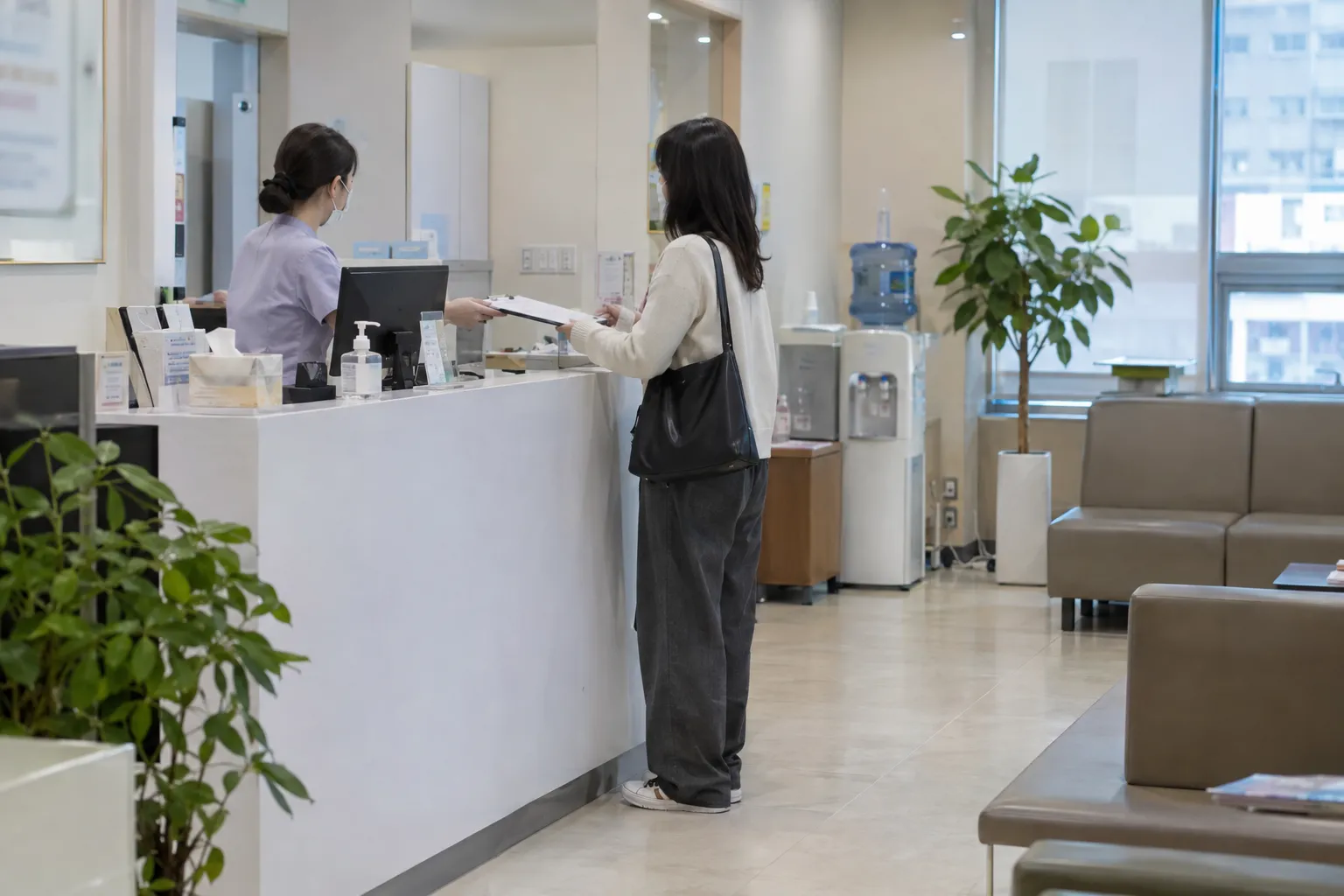
People search for South Korea plastic surgery cost in rupees, pesos, dirhams or pounds, and no honest page can give a fixed figure in any of them. Clinics quote in Korean currency. The number you pay at home depends on the exchange rate on the day your card or transfer clears, and on what your bank charges on top.
What does travel well is the structure: which operations, how many, what materials, how many hospital days, and what is excluded. That list is comparable between clinics and between countries. A converted total from a blog post is not.
- Get the quote itemised in the clinic's own currency, with the surgeon named.
- Convert it yourself, on the day, with your own bank's rate. Add the transfer fee.
- Ask what the deposit is, whether it is refundable and by when.
- Ask whether anything is charged on the day that is not on the quote.
- Budget separately for the stay: the recommended days in Korea for each operation are on its page, and bone surgery is the long one.
One trip or two?
The instinct is to do everything at once. Surgeons in Seoul will often agree, because one anaesthetic and one recovery is genuinely easier on you than two. There are limits, and a surgeon who has none is a warning sign rather than a convenience.
Longer combined operations mean longer anaesthesia, more swelling and a longer period where nobody, including your surgeon, can judge the result. Bone work in particular takes months to settle, which is why a nose refinement is sometimes better planned for a second trip once the lower face has found its final shape.
Ask the question plainly: what would you do if this were staged over two trips, and what would you lose? The answer tells you a lot about the surgeon.
Before you pay a deposit
- Is every operation on this quote something I asked for, or something that was suggested?
- Which surgeon operates, and is that name written on the quote?
- How many hospital days and how many days in Korea in total?
- What is included afterwards: dressings, swelling care, review visits, scar treatment?
- What is the revision policy, what does it cost, and how long must I wait?
- Is the clinic registered to treat foreign patients?
- Who do I message after I fly home, and in what language?
For how price ranges work across every operation, read plastic surgery in Korea: how much. To choose the surgeon rather than the clinic brand, read how to pick a surgeon, and for the legal checks, how to check a clinic license in Korea.
Browse every operation on the Korean plastic surgery page, let clinic matching shortlist in two minutes, or meet the interpreters. If something goes wrong in Korea, the Medical Korea Support Center answers on +82-1577-7129 and K-MEDI handles medical dispute mediation.