Menu
September surgery-day interpreter slots are filling. Hold yours, free

Plastic Surgery

A Korean nose job, with an interpreter beside you in the room

A Korean nose job usually means seven to ten days in Seoul: a consultation with a CT or 3D scan, surgery under general anesthesia, and the splint and stitches off around day 7. The flight is the easy part. The hard part is making sure the surgeon hears exactly what you mean by natural, higher or smaller. That is what your KCODI interpreter is for. If you have had a nose operation before, read about revision surgery in Korea first, because the planning is different.

Typical price in Seoul

$2,500 – $6,500

₩3,500,000 – ₩9,000,000 · total

Stay in Korea
7–10 days
Procedure time
90–3 min
Anesthesia
General
Clinic visits
4 visits

Market estimate, not a quote. Your written quote comes after a free consultation.

  • Plan 7–10 days and about four clinic visits: consultation, surgery, a dressing check, then splint and stitch removal.
  • The material decides a lot: silicone, your own ear or rib cartilage, or a mix. It changes the price and the revision risk.
  • Your interpreter repeats the agreed plan to the surgeon on the morning of surgery, before you are sedated.
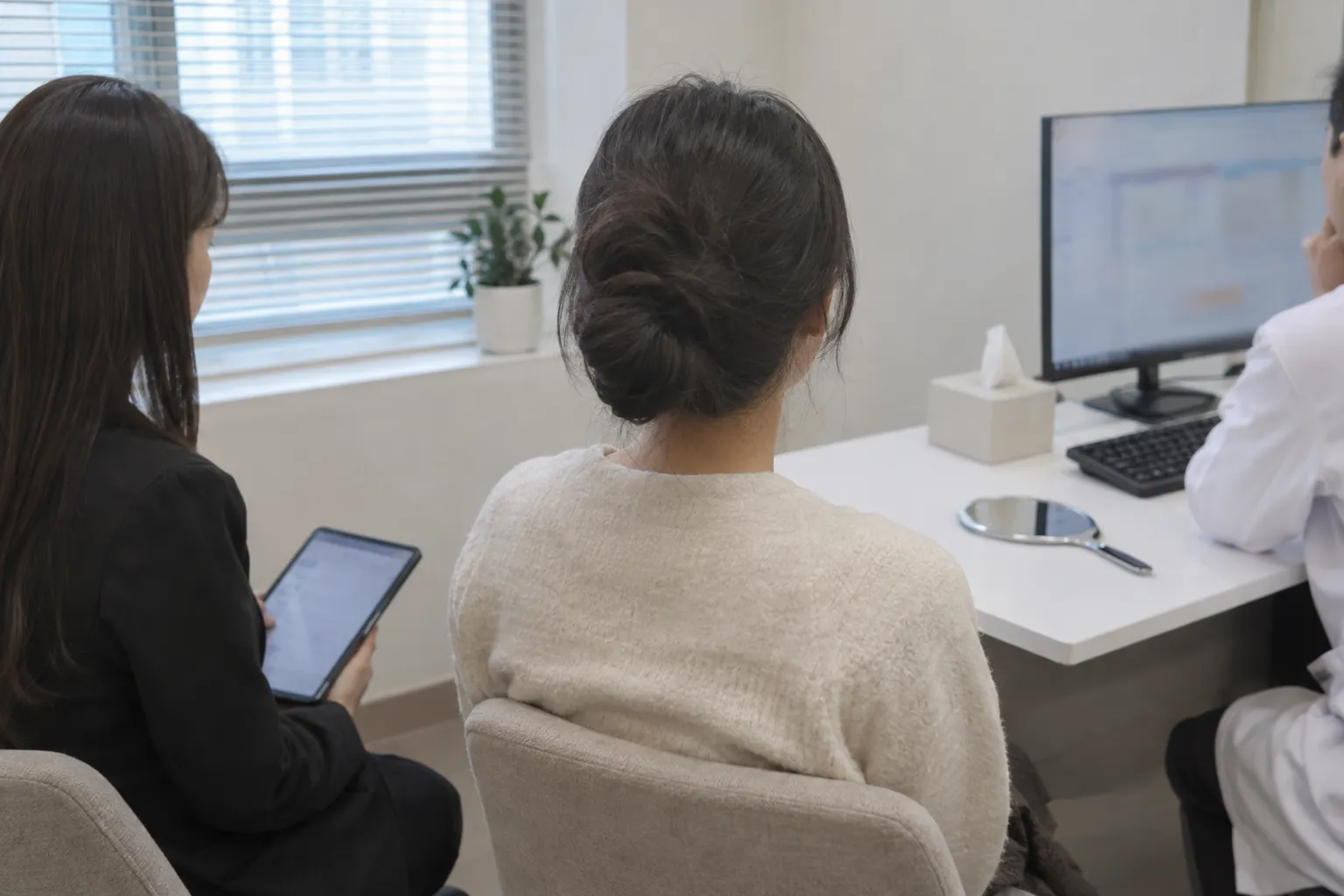
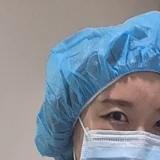
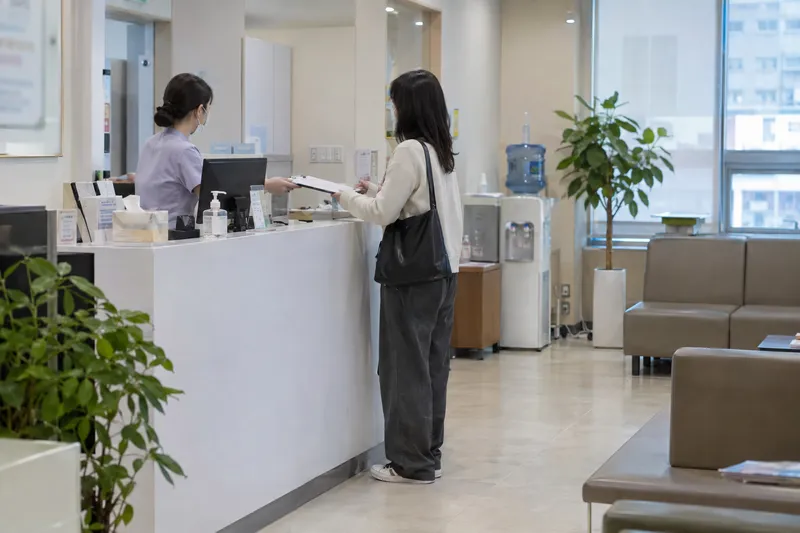
A clinic consultation room with a patient and an interpreter, seen from behind (illustrative image)

What she does on your clinic day

  1. At the consultation

    She turns your reference photos into the surgeon's terms: bridge height in millimetres, tip projection, implant or cartilage. She asks what the quote leaves out.
  2. On surgery morning

    She reads the consent form with you line by line and checks that the operating surgeon named on it is the one you met.

  3. Day 1 to day 7

    Swelling and bleeding questions at midnight go to her, not to a voicemail. She books your splint removal around your flight.


Meet the interpreters

Stay in Korea

  1. Day 1

    Consultation and tests

    Scan, surgeon consultation, blood tests and ECG. You get the written quote the same day.

  2. Day 2

    Surgery

    One and a half to three hours under general anesthesia. You leave the same day with a splint, and your interpreter takes you to the hotel.

  3. Day 3–4

    Dressing check

    Swelling peaks around day 3. The clinic cleans the nostrils and checks for bleeding. Sleep with your head raised.

  4. Day 7

    Splint and stitches off

    You see the new shape for the first time, still swollen. Most surgeons clear you to fly the next day.

  5. Month 1–12

    Settling

    The tip stays firm and puffy for months. Send photos through your interpreter and the clinic answers.

Typical price in Seoul

The range moves with the material (silicone, ear cartilage, rib cartilage), whether a hump or deviated septum is corrected at the same time, and the surgeon's seniority. A first-time bridge-and-tip case sits at the lower end. Rib cartilage and revision work sit at the upper end. Your written quote lists each item before any deposit.

  • You want a higher bridge, a more defined tip or a smaller hump, and you have photos of noses you like and dislike
  • You have breathing problems as well as shape concerns and want both looked at in one operation
  • You can stay at least a week, so the splint comes off at the clinic that operated on you
  • You want the quote itemised: implant, cartilage harvest, anesthesia, aftercare

Questions patients ask us

How much is a nose job in Korea?
The estimated Seoul range is shown on this page. Where you land inside it depends on material, whether functional work is added, and the surgeon. You get an itemised written quote at the local partner rate, with no foreigner markup, before you pay anything.
How long do I need to stay in Korea after rhinoplasty?
Plan 7–10 days. The splint and stitches usually come off on day 7, and most surgeons want one more look before you fly. Leaving earlier means someone at home removes them, which your surgeon may not recommend.
Silicone or my own cartilage: who decides?
Your surgeon recommends, you decide. Most Korean surgeons use a silicone implant for the bridge and your own cartilage for the tip, but thin skin or a previous infection changes that. Ask what happens if the implant ever needs to come out.
Can I see before-and-after photos of cases like mine?
Yes, at the consultation. Your interpreter asks for cases with a similar starting nose, not the clinic's favourites. Photos show what the surgeon tends to do, not what you will get.
What if I am unhappy with the result after I fly home?
Message your interpreter with photos. She relays them to the surgeon and brings back the answer in English. Most surgeons will not judge the result before six months, because swelling hides the final shape.

Plastic Surgery

See all treatments

Booking direct vs booking with KCODI

Same clinic, same surgeon. What changes is who is on your side of the desk.

InterpreterBooking direct:The clinic's coordinator, if one speaks your languageKCODI:Your own medical interpreter, assigned free
Surgery dayBooking direct:You check in aloneKCODI:She stays from check-in to discharge
QuoteBooking direct:Often verbal, in a chat windowKCODI:Written and itemised before any deposit
Price listBooking direct:Overseas-patient price list at many clinicsKCODI:Partner rate agreed in advance, no foreigner markup
Recovery daysBooking direct:You search hotels and food yourselfKCODI:Hotel, soft food and pharmacy list for your clinic's area
After you fly homeBooking direct:Email the clinic in English and waitKCODI:Message your interpreter, she relays it in Korean

What clinics offer differs. Ask us about the clinic you have in mind and we tell you what applies there.

What you can hold us to

  • Quote first, deposit later

    You never pay a deposit before you hold a written, itemised quote.

  • A name and a face before you fly

    You know who your interpreter is, and which language she speaks, before you board.

  • You pay us nothing

    No booking fee, no interpreter fee, no fee for asking. The clinic pays our coordination fee.

Doing more than one thing on this trip?

Skin treatments usually fit around a surgery consultation, and a checkup takes half a day. Tell us everything on your list and we put it in one schedule, with one interpreter.

Plan my whole trip

Keep reading

All guides

Ask first. Decide later.

Replies in about 10 minutes, 09:00–22:00 KST