The cost of rhinoplasty in South Korea, explained line by line
Written by KCODI medical interpreter team · English deskUpdated · 7 min read

You have three screenshots open. Three clinics, three prices for a nose, and the highest is more than double the lowest. If you are trying to work out the real cost of rhinoplasty in South Korea, the screenshots will not help. They are prices for three different operations that happen to share a name.
Our interpreters sit in rhinoplasty consultations in Seoul regularly. The number on the quote is decided in a few minutes, while the surgeon presses on your nose tip, looks at the scan and asks whether you have had surgery before. Here is what is being decided in those minutes, and what each decision does to your bill.
The short answer, and where to see the range
A first-time bridge-and-tip operation with a silicone implant and your own ear cartilage sits at the lower end of the Seoul range. Rib cartilage, a crooked or short nose, and revision work sit at the upper end. The gap between the two ends is wide, and it is there for medical reasons.
We do not type prices into articles, because they go stale. The estimated range is kept current on our Korean nose job page, next to the usual stay and operating time. Your own number comes after the surgeon has seen your scan, as an itemised written quote.
Eight things that move the cost of rhinoplasty in South Korea
| Driver | Lower end | Upper end |
|---|---|---|
| History | First operation | Revision, scar tissue, a contracted or short nose |
| Scope | Bridge only, or tip only | Bridge, tip, hump, nostril base and bone narrowing together |
| Bridge material | Silicone implant | Your own rib cartilage or donor cartilage |
| Tip material | Ear or septal cartilage | Rib cartilage when the septum is weak or already used |
| Functional work | None | Deviated septum or turbinate correction in the same session |
| Surgeon | Staff surgeon | Head surgeon with a long waiting list |
| Anesthesia | Sedation, on shorter cases | General anesthesia with a full-time anesthesiologist |
| Aftercare | Basic dressing visits | Deswelling care, scar care and extra check-ups included |
This is why two people can both be right about the cost of rhinoplasty in South Korea and still quote each other very different figures. Patients often ask for the lower-end option on every line. The surgeon will say no to some of them. A thin-skinned nose may not suit a tall silicone implant. A septum that was harvested in an earlier operation cannot be harvested again. The price follows the anatomy, not the other way round.
Materials: the line that changes the quote most
Silicone for the bridge
Most Korean surgeons use a silicone implant to raise the bridge and your own cartilage to shape the tip. It is the quickest approach and the most common. Ask what happens, and who pays, if the implant ever has to come out.
Ear and septal cartilage for the tip
Your own cartilage is taken through a small cut behind the ear or from inside the nose. It adds operating time and a second small wound. Some clinics price the harvest as a separate line. Check that it is on your quote.
Rib cartilage
Rib is used when a lot of strong cartilage is needed, which usually means a revision or a very short nose. It means a second surgical site on the chest, a longer operation and often a night at the clinic. Donor rib cartilage avoids the chest scar and has its own trade-offs, which your surgeon will explain. Either way, this is where quotes reach the top of the range.
What the quote leaves out unless you ask
The consultant gives you a number and a smile. These are the items that most often turn out to be extra.
- CT or 3D scan and pre-op blood tests
- The anesthesiologist's fee
- Cartilage harvest, listed apart from the main operation
- An overnight stay after a long operation
- Deswelling injections or laser sessions in the first week
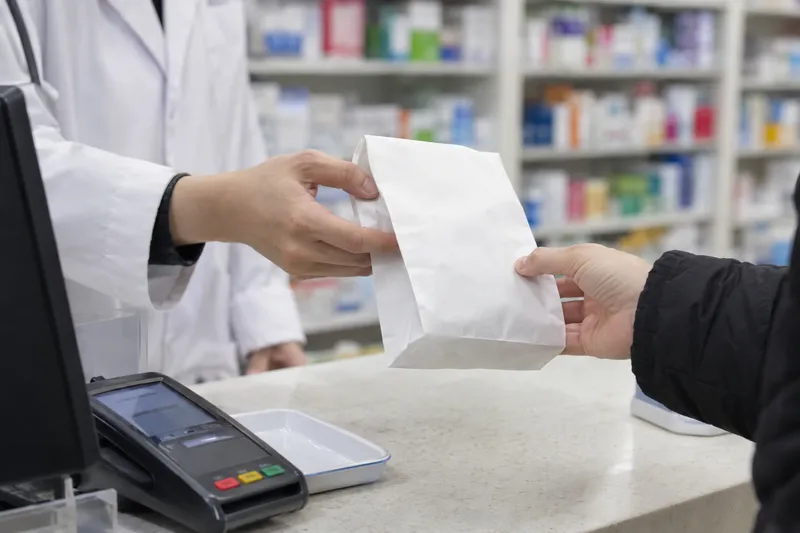
- Prescription medication and nasal ointment from the pharmacy
- Ten percent VAT. The refund for foreign patients ended on 31 December 2025.
Why revision cases cost more
Rhinoplasty consultations are often for a nose that has been operated on before, in Korea or elsewhere. The surgeon spends longer on these. The first request is for the old operation record, which patients almost never have. Then the surgeon presses the tip to feel how much scar tissue is there.
The consent form is longer for revisions too. It lists the added risks in plain Korean: skin that has thinned, cartilage that may not be enough, a result that may need a further touch-up. Your interpreter reads each one to you. For many patients this is the moment the price starts to make sense. Revision takes more hours, more cartilage and more experience, and fewer surgeons take it on. The quote reflects all three. If this is you, read about revision surgery in Korea and try to get your old records before you fly. They can shorten the consultation and sometimes the operation.
Time is a cost too: the week in Seoul
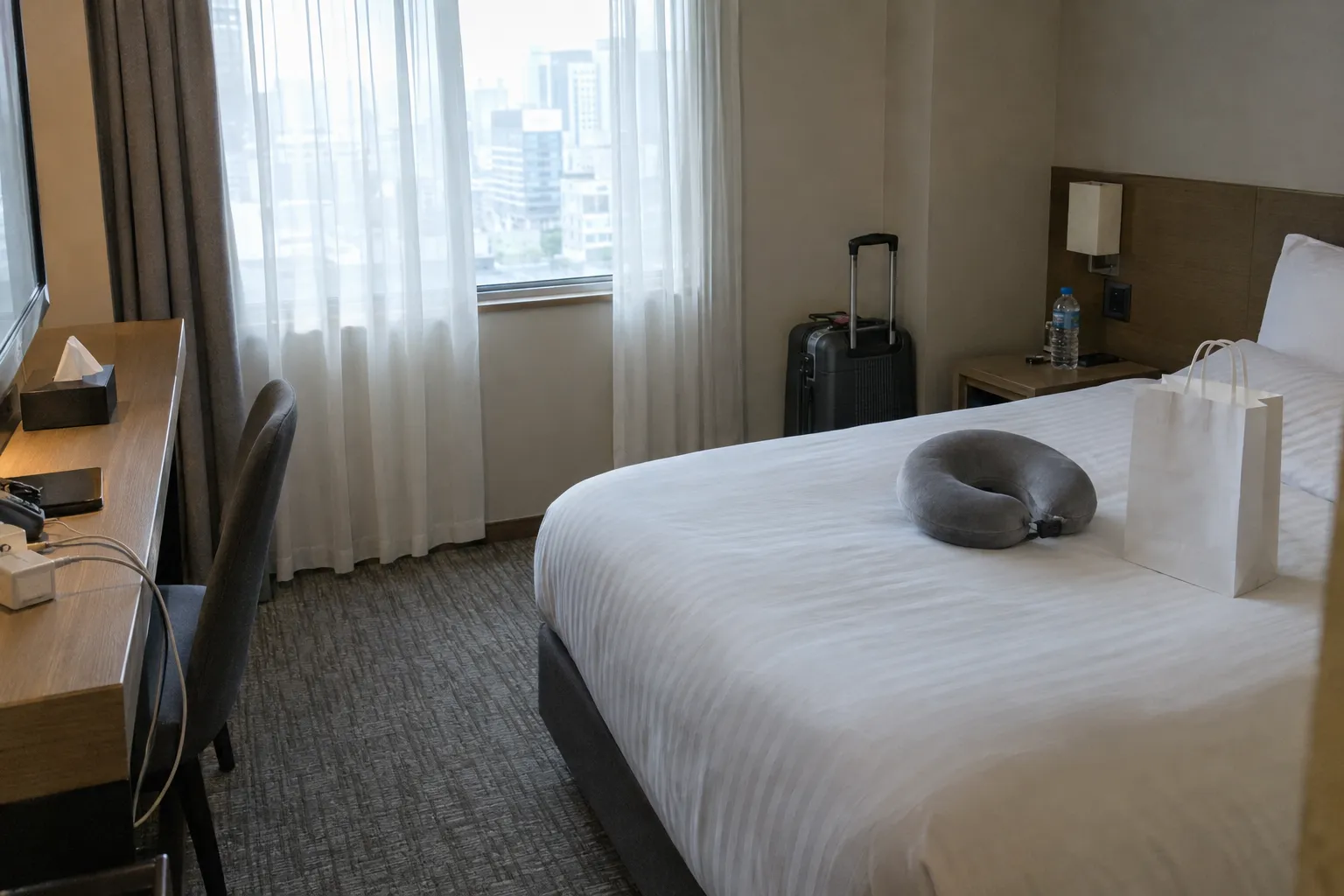
Plan seven to ten days. The splint and stitches usually come off around day seven, and most surgeons want to see you once more before you fly. That is a week of hotel nights, meals and lost work to add to your sum.
Stay within a short taxi ride of the clinic. Swelling peaks around day three, and that is the night patients message us at two in the morning, sure that something is wrong. It is usually normal. Your interpreter checks your photo with the clinic and tells you what to do. She also sends the list that matters that week: soft food that delivers, a pharmacy that opens late, and how to sleep with your head raised in a hotel bed.
How to get a number you can trust
- Send clear photos and your full surgical history before the consultation.
- Ask for the quote in writing, by line: surgeon, method, material, anesthesia, tests, aftercare, VAT.
- Check that the operating surgeon's name is on the quote and later on the consent form.
- Ask about the revision policy, in writing.
- Compare two or three clinics on the same lines. Our guide to how much plastic surgery in Korea costs has the full checklist.
- Confirm the clinic is registered for overseas patients. See how to check a clinic license in Korea.
KCODI does these steps with you. We book in Korean at the local partner rate, with no foreigner markup, and you see the written quote before any deposit. Start with clinic matching, or meet the interpreters who cover surgery days.