Korean leg lengthening surgery: the timeline nobody puts in the before and after
Written by KCODI medical interpreter team · English deskUpdated · 8 min read


Leg lengthening surgery in Korea gets searched alongside nose jobs and jaw surgery, which is the first thing worth correcting. This is orthopaedic surgery on healthy bone, performed in a hospital, by a specialist, with a recovery measured in months.
KCODI books and interprets for clinics across seven specialties. Limb lengthening is not a cosmetic booking and we will not present it as one. What we can do is set out what the operation involves, what a serious programme looks like, and what to verify before you send anyone a deposit.
If after reading this you still want it, you will at least be asking the right questions.
What the operation actually is
The surgeon cuts the bone, usually the femur or the tibia, and fixes a lengthening device. New bone forms in the gap as the device slowly separates the two ends, roughly a millimetre a day. Then the new bone has to harden before it can carry your weight.
| Phase | Roughly how long | What happens |
|---|---|---|
| Surgery and hospital stay | Days to about two weeks | Osteotomy and device fitting, pain control, first mobilisation |
| Distraction | Weeks to a few months | Daily lengthening, daily physiotherapy, frequent X-rays |
| Consolidation | Several months | New bone hardens; walking is rebuilt gradually |
| Device removal | A second operation | For internal nails, once bone is judged strong enough |
| Full return to sport | Around a year or more | Muscles and tendons lengthen far more slowly than bone |
Two device families exist: external frames fixed through the skin, and internal motorised nails inside the bone. Internal nails are more comfortable and more expensive; external frames carry pin-site care and infection risk. Which one suits you is a surgical decision, not a shopping choice.
The risks that belong in the consent form
This is elective surgery on healthy bone, which raises the bar for consent. A responsible surgeon will go through all of this without being asked.
- Nerve and vessel injury, and numbness that may not fully resolve.
- Joint stiffness and contracture, especially at the knee and ankle, if physiotherapy is not relentless.
- Delayed or failed bone healing, which can require further surgery or bone grafting.
- Infection, including deep infection around the device.
- Fracture of the new bone before it is fully consolidated.
- Blood clots, and the specific risks of a long flight afterwards.
- A difference between the two legs, or an unsatisfying proportion between thigh and shin.
What a limb lengthening surgery cost in Korea has to include
A single figure for this operation is meaningless, because the operation is the smallest part of the programme. We do not print amounts in prose; what matters is that the written quote names every line below.
- The surgery itself, the implant or frame, and the anaesthesia.
- The inpatient stay, and what a longer stay costs if you need one.
- Imaging through the distraction phase, which is frequent.
- Physiotherapy sessions, and how many are included.
- The removal operation for an internal nail, and whether it is in the quote.
- Accommodation for months, not days, plus a companion if you need one.
- What a complication costs, and what the clinic's responsibility is after you leave Korea.
Item seven is the one that separates a serious programme from a sales page. Ask for it in writing, in Korean and in English, before any deposit.
Before and after photographs, and what they leave out
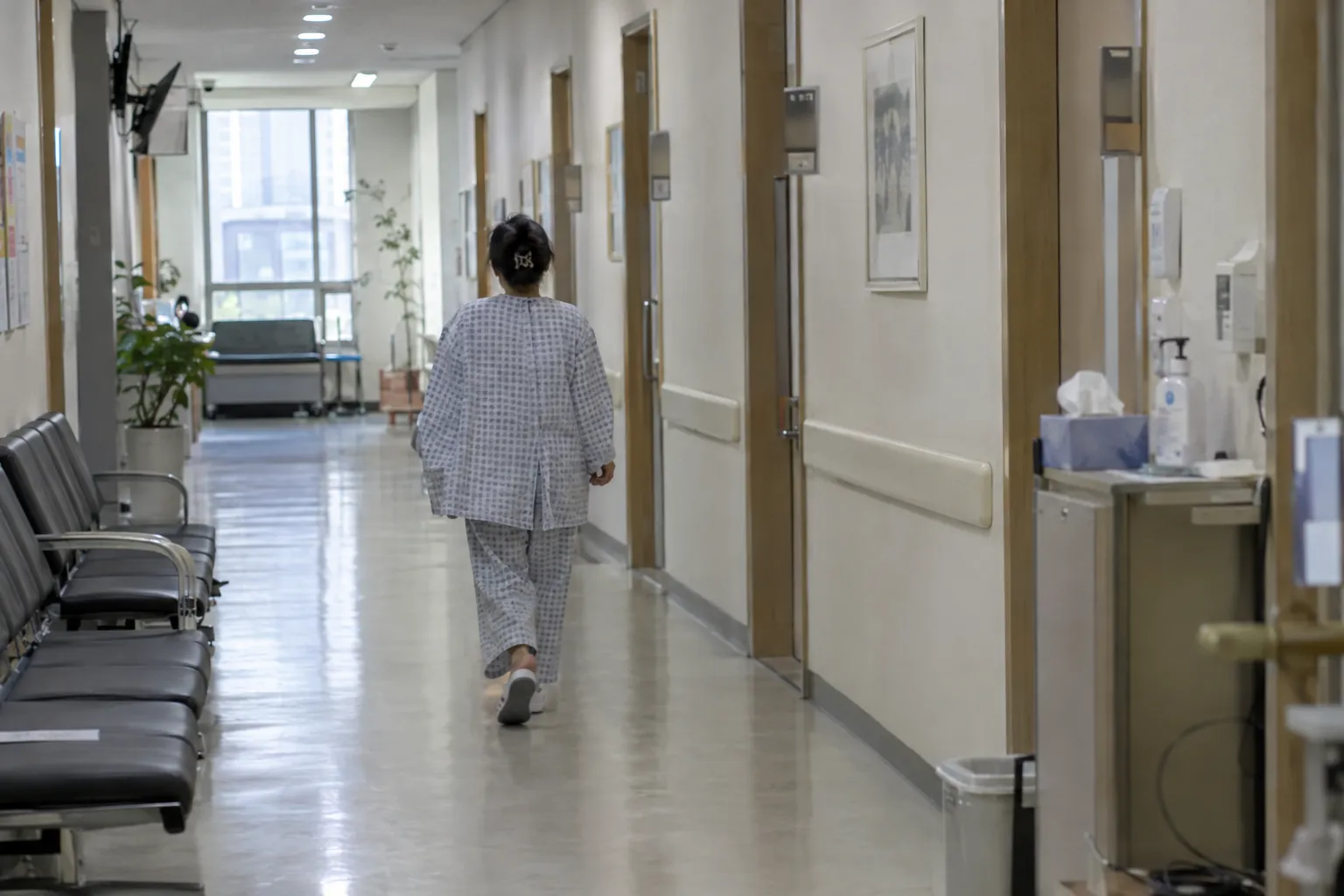
Search for Korean leg lengthening surgery before and after and you get two standing photographs. What is missing between them is a year: the wheelchair, the walker, the daily turning of the device, the physiotherapy that hurts, and months of not being able to work normally.
Ask instead for something more useful: to speak with a former patient at the twelve-month mark, and to see X-rays rather than posed photographs. Clinics that run real programmes can usually arrange both.
It is also worth saying plainly: for many people the honest answer is no. If the search that brought you here started with how you feel rather than a medical problem, that is worth discussing with a professional before it becomes a surgical plan.
If you are looking at Korea for other work while you are here, start at plastic surgery in Korea for foreigners, or use clinic matching and we will point you to the right specialty. You can also meet the interpreters.