Plastic surgery in Korea for foreigners: what actually happens, in order
Written by KCODI medical interpreter team · English deskUpdated · 9 min read

Plastic surgery in Korea for foreigners is not a different operation. It is the same operation inside a system designed for people who can come back next Tuesday, and you cannot. That is the entire difference, and every avoidable problem on a surgery trip traces back to it.
Clinics here are efficient rather than hand-holding. Consultations are short. Quotes are itemised by procedure and read out quickly. Aftercare assumes you will drop in. None of that is hostile; it is simply how a high-volume domestic market works.
So the useful thing is not a ranked list of clinics. It is knowing the sequence in advance, and knowing the four points in it where a foreign patient should slow down and ask something.
The sequence, start to finish
| Stage | What happens | Where you can get caught out |
|---|---|---|
| Enquiry with photos | Clinic gives an indicative plan and a rough price | An online estimate is not a quote, and it changes after examination |
| Deposit and booking | A date is held, often with money | Ask what is refundable and by when, in writing |
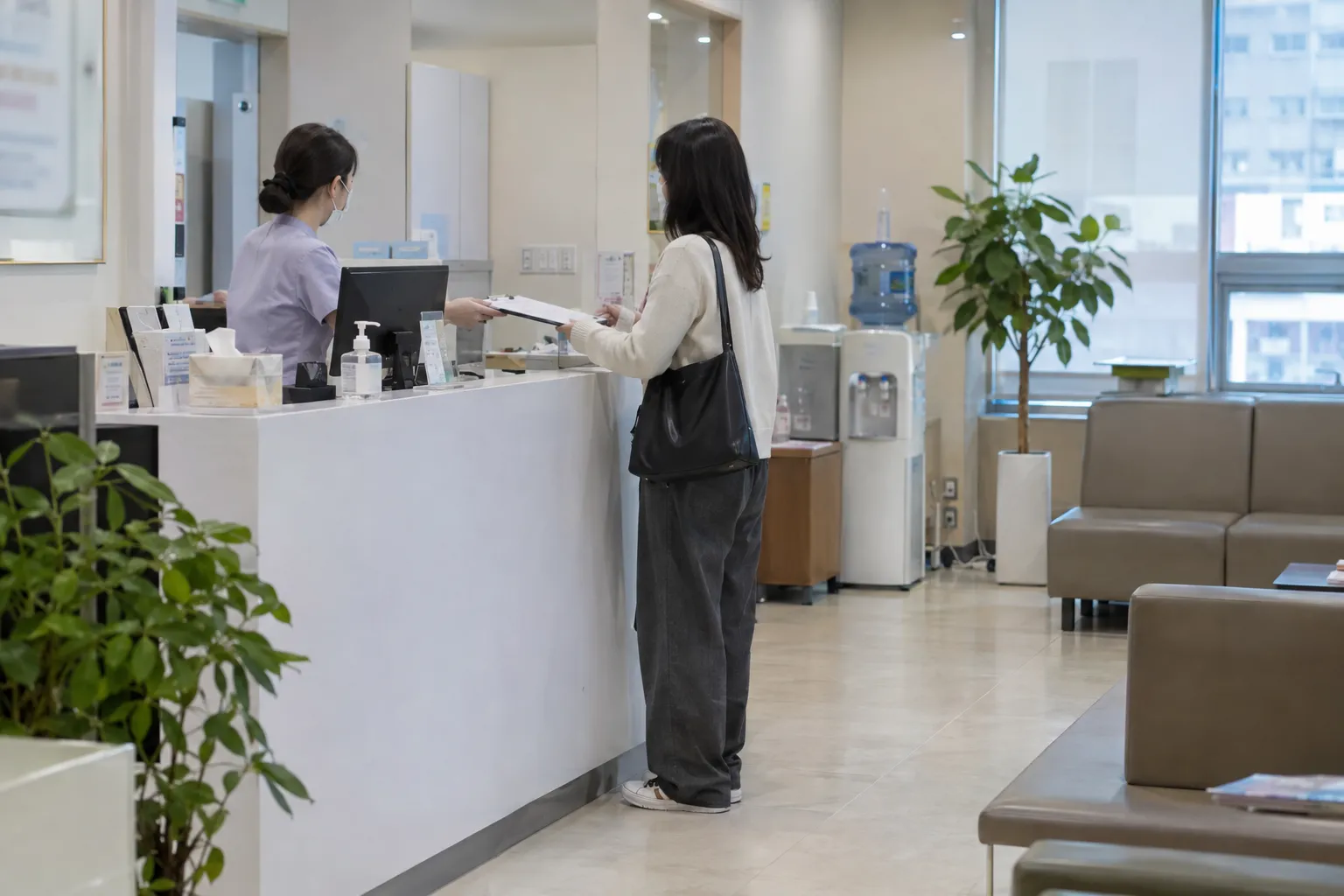
| Arrival and consultation | Examination, final plan, final price | This is where the plan can change. Leave spare days |
| Pre-operative tests | Bloods and basic checks, usually same or next day | A result can postpone surgery. It is not a formality |
| Surgery day | Consent, marking, operation, recovery room | The consent form is in Korean and it is signed that morning |
| Follow-up and stitch removal | One or more short visits over the following days | Your flight has to sit after this, not before |
| Home | Swelling, questions, sometimes worry | Who answers you, in what language, and how fast |
Row three is the one nobody plans for. The face in front of the surgeon is not the face in the photograph, and plans change at the consultation more often than clinics advertise. A trip with no spare days forces a decision you would rather take slowly.
Four places to slow down
- Before the deposit. Get the quote itemised by procedure, and ask which lines can be removed while keeping the result the surgeon just described. Usually at least one can.
- At the consultation. Ask who performs the operation, not who is consulting. In Korea, as anywhere, those are not always the same person, and you are allowed to ask.
- Before signing consent. It will be in Korean. You are entitled to understand every line, including what happens if a revision is needed and who pays.
- Before booking the flight home. Confirm the last required visit, then add days. Swelling and stitch schedules are not negotiable around airline tickets.
What to check about the clinic itself, including licensing and whether it is registered to treat foreign patients, is set out in how to check a clinic licence in Korea. How to compare surgeons rather than marketing is in how to choose plastic surgery in Korea.
What is genuinely different for a foreign patient
- Price is set by the clinic, not a schedule, and cosmetic work is paid out of pocket by everyone here. The written itemised quote is your only protection, and the tax refund foreign patients could once claim ended at the close of 2025.
- Consent, aftercare sheets and prescriptions are in Korean. Front-desk English is common; document English is not.
- Follow-up assumes proximity. The single most valuable thing to arrange before surgery is who answers your questions once you are home.
- If something goes wrong, there is a route: the Medical Korea Support Center answers on +82-1577-7129, and K-MEDI handles medical dispute mediation. Both are far easier to use while you are still in the country.
- Entry and stay rules are immigration questions, not clinic questions. Check them against official sources for your own nationality rather than a clinic's blog.
Choosing the length of the trip
The commonest planning error is booking the minimum stay a clinic mentions. That number usually describes the medical minimum for an uneventful case, not a comfortable schedule with a consultation, a test result, a swollen middle and a flight.
- Count backwards from the last required clinic visit, not forwards from arrival.
- Add two days for a plan that changes at the consultation, and one for a test that needs repeating.
- Do not book anything unmissable in the swollen week. Bruising around the eyes and jaw has a schedule of its own.
- Stay near the clinic rather than somewhere scenic. The walk back matters more than the view on day two.
Each procedure page shows the stay length and visit count that clinics usually expect, and the areas clinics cluster in are compared in Apgujeong, Cheongdam and Gangnam. What moves the price is broken down in how much plastic surgery costs in Korea.
Before you send the first message
Have four things ready and the whole process moves faster: clear photographs in daylight, a list of anything you take including supplements, any previous surgery or filler in the same area, and the dates you could travel.
The previous-filler line is the one people forget. Filler in the nose, chin or under the eyes changes what a surgeon can do and how the tissue behaves, sometimes years later. Nobody is judging you. They need to know.
Browse every operation on the Korean plastic surgery page, see what a second operation involves on the revision surgery in Korea page, let clinic matching shortlist surgeons in two minutes, or meet the interpreters who would be with you.