Monolid or double eyelid: epicanthal folds, what chinese, japanese and korean eyes have in common, and what asian eyelid surgery really changes
Written by KCODI medical interpreter team · English deskUpdated · 9 min read


The monolid vs double eyelid question gets answered badly online, usually as if one is an absence of the other. In a Seoul consultation room it is described the opposite way: a monolid is its own anatomy, with a fat layer that sits lower in front of the levator muscle and skin that runs smoothly from brow to lash line.
That difference decides everything about the operation. A surgeon is not adding a missing line; they are choosing where a crease can sit given how much fat is there, how thick your lid skin is, and how strong the muscle that opens your eye is.
This guide explains what people mean by asian eyes and epicanthal folds, how common double eyelids actually are, and what a realistic asian blepharoplasty before and after looks like.
What is a double eyelid, and are double eyelids rare
A double eyelid is a crease that forms when fibres from the muscle lifting your eye attach to the skin. When you open your eye, the skin above that attachment folds. A monolid, or single eyelid, has no such attachment, so the lid stays smooth.
They are not rare. Surveys of East Asian populations consistently find a substantial share of people with a natural crease, a share with a partial or inward-folding crease, and a share with none. Within Chinese, Japanese and Korean populations the variation is wide, and more of it sits inside each group than between them. Anyone telling you a particular eye shape belongs to a particular nationality is describing a stereotype, not anatomy.
- Single eyelid (monolid). No visible crease. Fat sits lower, and lashes can point downward.
- Inner double. A narrow crease that disappears at the inner corner under a skin fold. Very common.
- Outer double. A crease that stays visible across the whole lid.
- Partial or unstable. A crease that appears on some days and not others, or on one eye only. This is what brings most people to a consultation.
An epicanthal fold is the small flap of skin at the inner corner that covers the tear duct. It is present in a large share of East Asian eyes. It shortens the visible eye horizontally and can hide the inner end of a crease, which is why some surgeons discuss opening it at the same time as a crease operation.
What the surgery actually does
| Method | How it works | Suits | Downtime |
|---|---|---|---|
| Buried suture (non-incision) | Threads tie skin to the muscle at a chosen height | Thin lids, little fat, no excess skin | Swelling mostly down in 1–2 weeks |
| Partial incision | Small openings to remove a little fat and fix the crease | Slightly thicker lids, modest fat | About 2 weeks |
| Full incision | A full-length incision, fat and skin adjusted, crease fixed | Thick lids, excess skin, revision cases | 2–3 weeks of visible swelling |
| Ptosis correction added | The muscle that lifts the lid is tightened | Sleepy-looking eyes where the lid covers the pupil | Adds swelling and settling time |
The buried suture method is popular because it is quick and, in principle, reversible. It also loosens over the years in some people, more so in thicker lids. Surgeons who do a lot of revisions tend to push thicker lids toward an incision method in the first place, and that is a conversation worth having rather than winning.
How to qualify for eyelid surgery in Korea
There is no formal qualification, but there is a screening conversation. Surgeons in Seoul check four things before agreeing, and they will say no to some people.
- Lid muscle strength. If the muscle that opens your eye is weak, a crease alone leaves you looking sleepy. That needs ptosis correction, which is a bigger operation.
- Skin quantity. Excess hooding over the lash line needs skin removed, which means an incision method.
- Dry eye and contact lens history. Significant dry eye is a reason to treat that first. Incisional surgery can worsen it for a period.
- Realistic expectations. A crease changes your eyelid. It does not change eye size, the distance between your eyes, or the tilt of your outer corner.
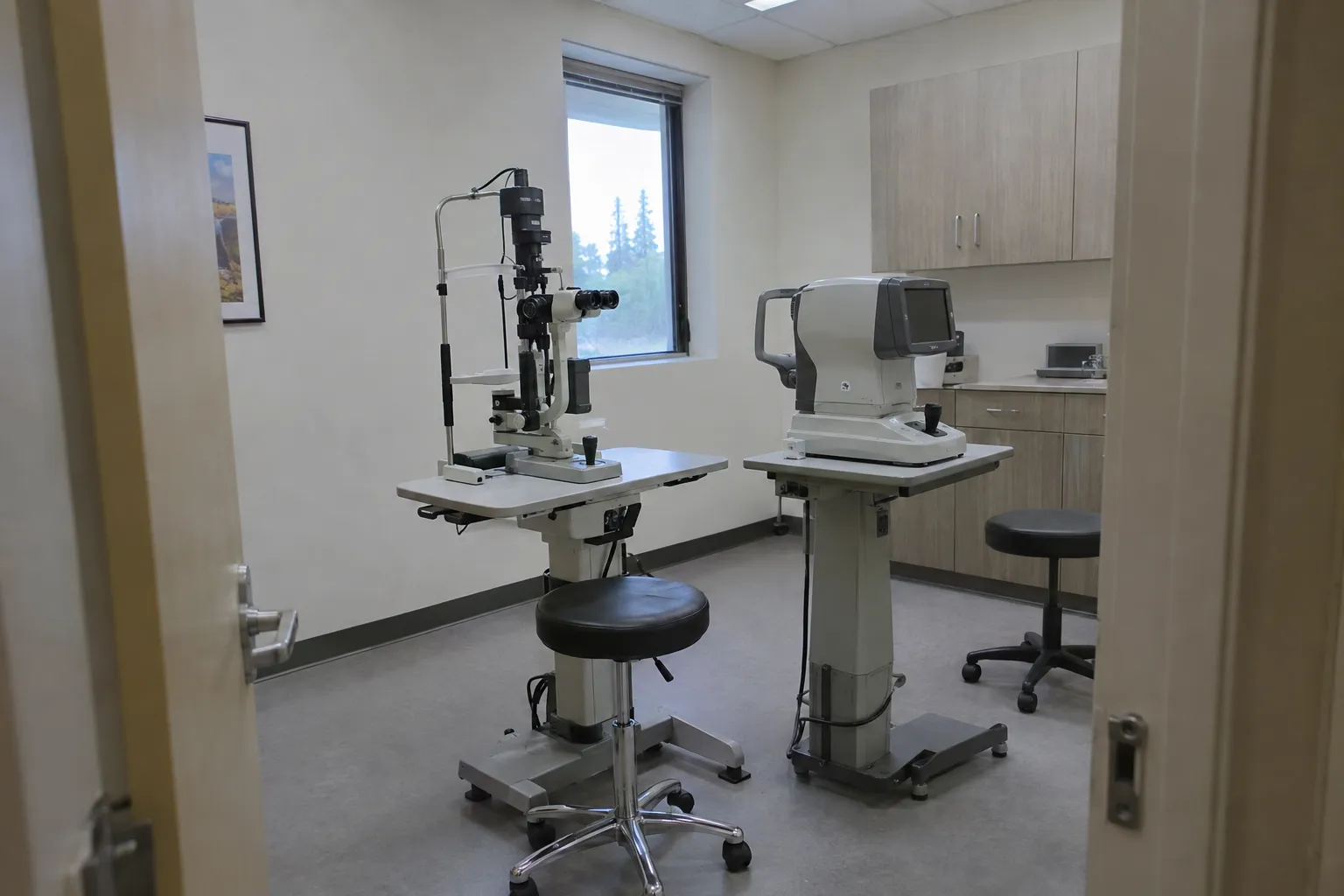
Age matters both ways. Very young patients are often asked to wait, and older patients may be better served by an upper blepharoplasty that removes hooding rather than by a crease. Both live on the double eyelid surgery page, with the estimated range and the five to seven day stay.
Reading an asian blepharoplasty before and after
Eyelid photographs mislead more than any other area, because a camera held slightly high opens the eye and a slightly low camera closes it. Three checks make a pair useful.
- Timing. Under three months is still swelling. A crease at week two always looks higher and harsher than it will end up.
- Eyebrow position. If the brows are raised in the after photo, the person is lifting with their forehead, which fakes an open eye.
- Method named. Buried suture and full incision produce different scars and different longevity. A gallery that does not say which is uninformative.
Our full checklist for any Korean photo pair is in reading before and after photos, and the price drivers are broken down in how much double eyelid surgery costs in Korea.
What a crease will not do
Three complaints get brought to eyelid clinics that a crease cannot solve. Eyes that look small because the outer corner sits low need a different operation on the corner itself. Under-eye bags are fat below the lid, treated by under-eye fat repositioning. And dark circles are usually pigment or a hollow, not a lid problem at all.
If your eyes look tired rather than closed, the question is whether the lid margin is low, which is ptosis, and that is covered along with corner surgery in fox eye and canthoplasty in Korea. If you just want to know how common all of this is in Seoul, read is plastic surgery common in Korea. To shortlist clinics, answer four questions in clinic matching.