NCTF 135HA in Korea, and the Lenisna, Chaeum and Elravie names beside it
Written by KCODI medical interpreter team · English deskUpdated · 8 min read

In shortNctf 135ha korea is a mesotherapy solution of hyaluronic acid plus vitamins and amino acids, injected in a grid over several sessions. Lenisna, Chaeum and Elravie are different products on the same booster menu.
The consultation lasted four minutes, the counsellor wrote three product names on a sheet, and none of them were explained. Nctf 135ha korea is what you typed into Google in the taxi afterwards.
Skin booster is not a product. It is a shelf. On that shelf are mesotherapy cocktails, hyaluronic acid injected thin instead of deep, polynucleotide products and collagen stimulators, and they are all sold with the same promise of glass skin.
What separates them is what is in the syringe and how many times you have to come back. Both are things you can ask about in one sentence, and both are things a clinic will tell you if the interpreter asks in Korean.
What is NCTF 135HA, and what does it do?
NCTF 135 HA is a mesotherapy solution made by the French company Fillmed, which describes it as a polyrevitalising solution combining around sixty ingredients — hyaluronic acid together with vitamins, minerals, amino acids and coenzymes — intended to improve skin quality rather than add volume.
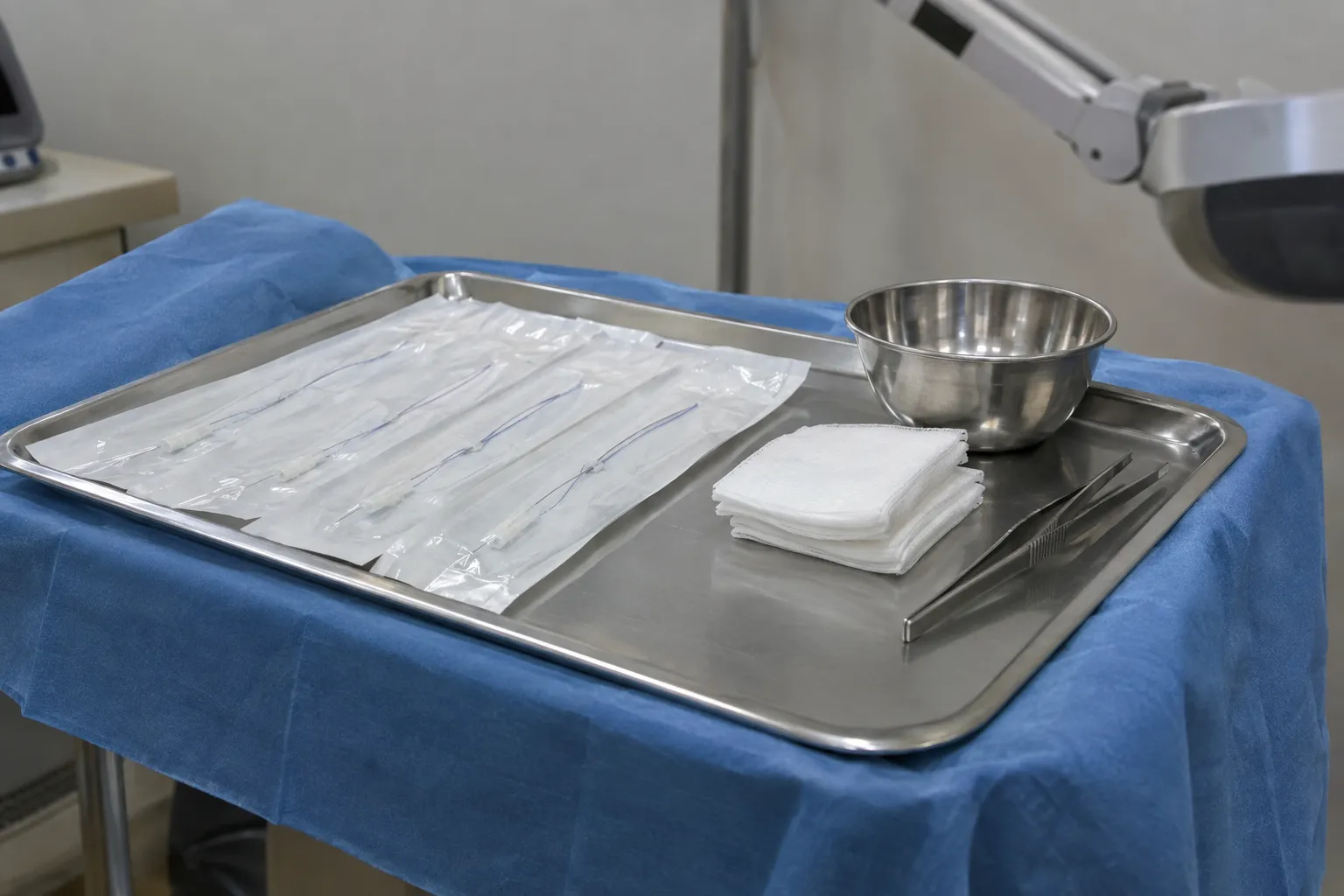
In a Seoul clinic it is delivered as a grid of small injections across the face, sometimes by hand, sometimes with a multi-needle device. You leave with a pattern of small bumps that settle over a day, and the effect visitors notice is hydration and light reflection rather than shape.
It is a course treatment. Clinics typically plan three sessions two to four weeks apart, then a maintenance session. One session before a wedding is a hydration boost, not a programme, and honest clinics say so.
What is the difference between NCTF, Lenisna, Chaeum and Elravie?
They are different products with different contents, and the menu word 'booster' hides that completely.
| Menu name | What it is | Usual session pattern | What it is aimed at |
|---|---|---|---|
| NCTF 135 HA | Mesotherapy cocktail: hyaluronic acid plus vitamins and amino acids (Fillmed) | 3 sessions, 2–4 weeks apart, then maintenance | Hydration, tone, light reflection |
| Lenisna (레니스나) | A Korean-made injectable sold on booster menus — ask for the box and the approved use | By plan; usually more than one session | Skin quality and firmness claims |
| Chaeum (채움) | A Korean hyaluronic acid product line, also listed under boosters at thin dilutions | 1 session, repeated by plan | Hydration, fine lines depending on density |
| Elravie, Elravie Re2o (엘라비에) | A Korean hyaluronic acid line, several densities | 1 session, repeated by plan | Hydration or volume, depending on the density used |
| Rejuran and PDRN products | Polynucleotide-based injectables | 3–4 sessions, weeks apart | Barrier, texture, post-laser recovery |
The polynucleotide column is the one most Korean patients actually run, and it is unpacked in the best PDRN in Korea for dry skin. The juvelook and exosome side of the shelf is in Korean skin boosters, Juvelook and exosomes.
How are the best Korean skinboosters priced?
Per syringe or per vial, per session, and sometimes per area, with the course discount applied only if you commit to the course.
- Product and volume. A two-millilitre plan is not the price of a one-millilitre plan, and the volume is a clinical decision.
- Imported versus Korean-made. French, Swiss and Korean products sit in different price bands on the same sheet.
- Delivery. By hand, by multi-needle gun, or with microneedling: different time, different price line.
- Numbing and aftercare. Cream, cooling, a mask, sometimes LED.
- Course commitment. Three sessions paid up front costs least per session and fits a one-week trip worst.
The current bracket for booster injections is rendered on the skin booster treatment page, and what a proper itemised quote looks like is in checking a clinic before you pay.
What does the recovery actually look like?
Bumps. Small, regular, unmistakably a treatment, and they are the reason to schedule this at the start of a trip rather than the day before you meet anyone.
- Hours 0 to 12: a visible grid of small raised points, sometimes pinpoint bruising at the needle sites.
- Day 1 to 2: the grid flattens. Makeup is usually fine from the second day, and clinics will say to keep the skin clean before that.
- Day 3 onwards: nothing to see. The change is subtle and cumulative, which is the honest description of every product on this shelf.
- Bruising risk rises if you take fish oil, high-dose vitamin E or anti-inflammatories beforehand. Mention what you take; nobody asks.
- Avoid sauna, jjimjilbang floors and hot yoga for a couple of days, which in Seoul is a real temptation rather than a theoretical one.

Is any of this worth doing on a single trip?
One session is worth it if you want hydration for a specific week. A course is worth it if you can return, or if you can finish it at home with a product your own doctor recognises.
That second point is the one Korean clinics rarely raise. Some products on this shelf are widely available internationally and some are Korean-market items your dermatologist at home will never have handled. Ask which of the two you are starting, because a half-finished course is money spent on a start.
If the actual complaint is dullness and dehydration rather than a named product, a facial-plus-booster combination is usually the cheaper answer, and the Korean facial menu explains what that includes. To be matched with clinics rather than guessing from windows, use the matching form or meet the interpreters.