South Korea plastic surgery statistics, from 2024 to 2026, and who counts what
Written by KCODI medical interpreter team · English deskUpdated · 8 min read

If you have read anything about South Korea plastic surgery statistics, you have met the same claims: the highest rate per head in the world, a fixed share of young women, a rising count of foreign patients. They are repeated with confidence and almost never with a source.
We are a booking and interpreting service, not a research institute, and we are not going to invent numbers. What we can do is show you where the real figures live, why they disagree with each other, and which of them changes anything for a patient deciding whether to fly.
That last part is the point. Most of these statistics answer a question you are not asking.
Where the numbers actually come from
Four sources produce nearly everything you will read, and they count different things.
| Source | What it counts | Known limitation |
|---|---|---|
| ISAPS global survey | Procedures reported by surveyed plastic surgeons, by country | Voluntary survey; estimates, not a census |
| KHIDI and the health ministry | Foreign patients registered by Korean institutions | Counts registered visits, not individual people |
| National statistics and insurance data | Procedures billed in the health system | Cosmetic work is mostly outside insurance, so it is invisible here |
| Consumer surveys, for example Gallup Korea | What respondents say they have had done | Self-reported; sample and wording drive the answer |
A figure from a surgeon survey and a figure from a registration system are not comparable, which is why the same country appears in two articles with very different totals. If a statistic has no named source, treat it as decoration.
The claims that travel furthest, and what they hide
- Procedures per head of population. Sensitive to whether injectables are counted as procedures, and injectables outnumber surgery heavily. Change that one definition and rankings move.
- The share of young women who have had something done. Usually a survey answer, and it depends entirely on whether the question included fillers, toxin and laser work.
- The number of foreign patients. Counts registered visits at institutions that report, so repeat visits inflate it and unregistered clinics are absent.
- Double eyelid surgery totals. Frequently quoted, rarely sourced, and difficult to verify because most cases are private and uninsured.
- Medical tourism revenue. Mixes cosmetic work with checkups, dentistry, oncology and transplant care, which have very different price levels.
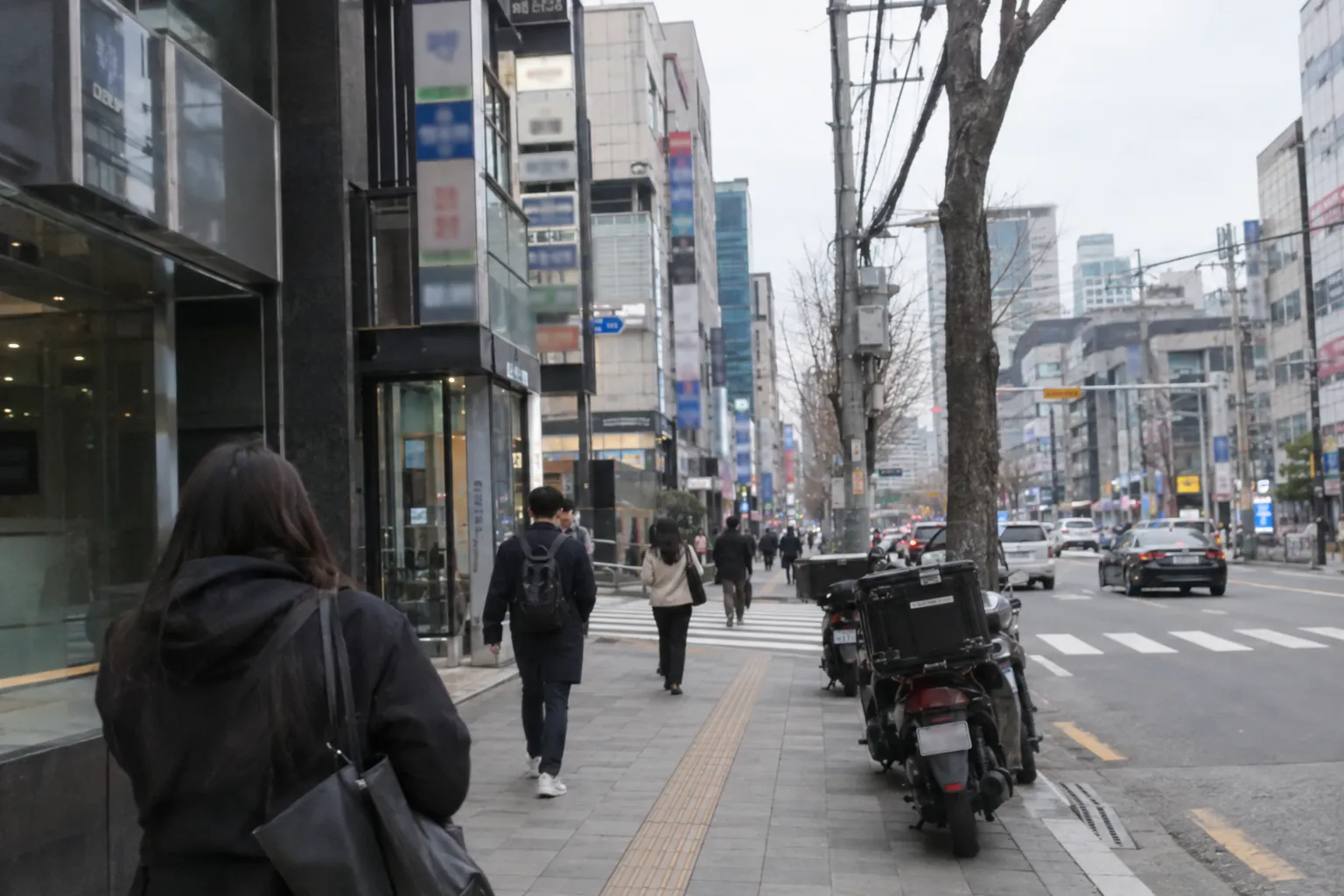
None of this means Korea is not a major centre for cosmetic surgery. It plainly is, and the concentration of clinics in a few Seoul districts is visible on the street. It means the precise figure you read was measuring something narrower than the sentence around it claimed.
What is verifiable, and how to check it yourself
Some things about Korean clinics can be confirmed rather than estimated, and those are worth your time.
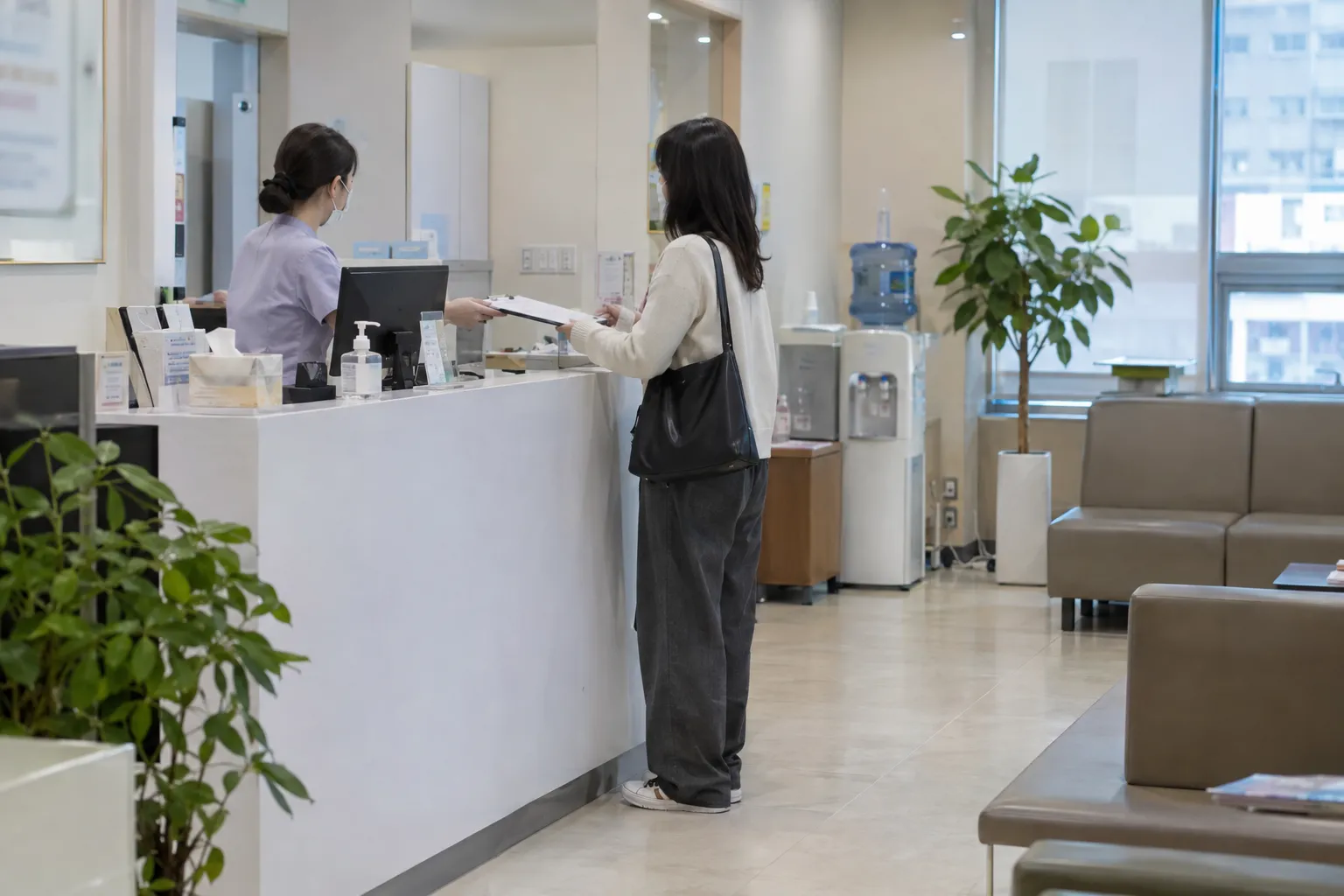
- Whether a clinic is registered to treat foreign patients. This is a government register and we explain how to search it in how to check a clinic licence.
- Whether the doctor is a board-certified plastic surgeon rather than a general physician performing cosmetic work. Both are legal in Korea; they are not the same training.
- Whether an anaesthesiologist is present for sedation or general anaesthesia, which is a question you are entitled to ask.
- What the clinic's written quote itemises, including the anaesthesia, the implant and the follow-up visits.
- What the revision policy says in writing, which is covered in how to choose a clinic.
Medical tourism figures, and what a trip actually costs
Medical tourism statistics for South Korea are published by KHIDI and are genuinely useful for understanding the direction of travel: which countries patients come from, and which specialties they use. They are close to useless for budgeting, because the average mixes a health checkup with jaw surgery.
For your own planning, build the number from the parts: the procedure, the stay, the flights, the follow-up visits, and whatever the clinic charges separately. We walk through that in how much will a trip to Korea cost, and the procedure-level ranges are rendered on each treatment page under plastic surgery in Korea.
One more thing that dates quickly in older articles: the VAT refund foreign patients could claim on cosmetic procedures in Korea ended on 31 December 2025. Any figure quoting a post-refund price from before that date is no longer current.
Is plastic surgery really that common in Korea?
Common enough that the vocabulary is ordinary. Colleagues discuss recovery leave. Clinic floors stack six deep in one building in Apgujeong. Advertising is on the subway. None of that needs a statistic to verify; you can see it on a two-day visit.
What surprises visitors more is the split. Non-surgical work, meaning toxin, filler, lasers and skin boosters, is far more routine than surgery, and it is what most Korean patients in a clinic waiting room are there for. Our longer piece is is plastic surgery common in Korea, and the men's side is in Korean plastic surgery for men.
If you would rather start from your own question than from a national average, clinic matching takes about two minutes, or meet the interpreters who sit in these consultations every week.