Budgeting a treatment trip to Korea, beyond the clinic quote
Written by KCODI medical interpreter team · English deskUpdated · 7 min read

How much will a trip to Korea cost? Less than most people fear, and the answer depends far more on your plan than on Korea. Seoul is not an expensive city by the standards of Tokyo, London or Sydney, and food and public transport are famously reasonable. A treatment trip is still a different animal from a holiday, because the schedule is not yours.
The clinic quote is the visible number. The invisible ones are the room you have to stay in because it is near the clinic, the days you cannot do anything, the taxi you take instead of the subway because you are not allowed to sweat, and the two spare nights you did not book.
This is the line-by-line list our interpreters walk people through, and where the money usually leaks.
The lines that actually make up the trip
In rough order of size for most people, here is what a treatment trip is made of. No amounts, because they move with your route, your season and your procedure. The order rarely changes.
| Line | What moves it | Easy to underestimate |
|---|---|---|
| The procedure | What you are having, and where the range sits on its page | No, this is the quoted part |
| Flights | Season, how far ahead, flexible dates | Yes, if you might need to change them |
| Accommodation | How many nights, and how close to the clinic | Yes, recovery needs more nights than surgery |
| Food | Soft food and delivery while you recover | Mildly |
| Transport | Taxis instead of the subway on treatment days | Yes |
| Aftercare and pharmacy | Dressings, medication, compression garments | Yes |
| Spare days | Swelling, a delayed stitch removal, a rebooked flight | Always |
The estimated range for each treatment sits on its own page, for example rhinoplasty or LASIK and LASEK. We send a written itemised quote at the local partner rate before any deposit, so the largest line is the one you can actually pin down.
Where to stay, and why near beats nice
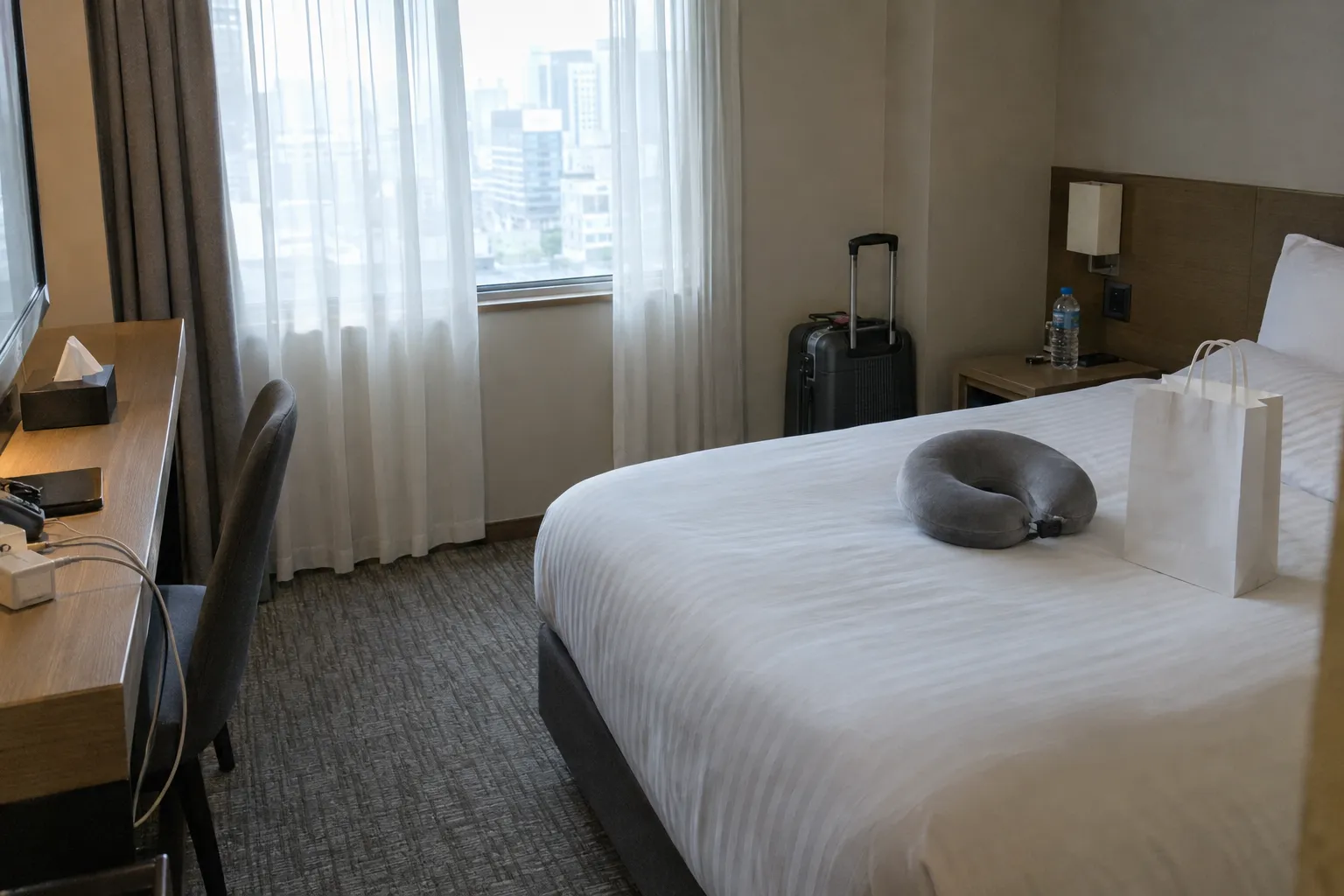
Visitors book a hotel in a fun neighbourhood, then discover that their fourth check-up is at half past nine in Apgujeong and they cannot face the transfer with a swollen face.
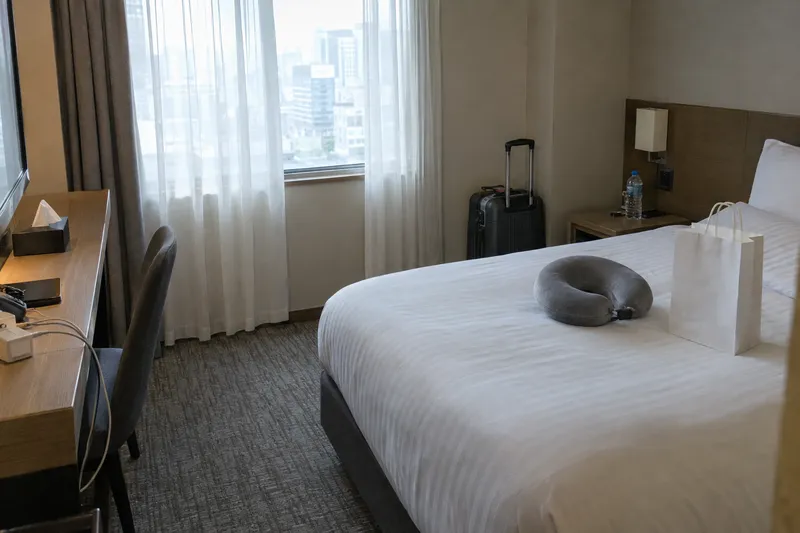
- Stay within a short taxi ride of the clinic for the treatment days, and move somewhere you would rather be once you are discharged from daily checks.
- Ask for a room with a bath you can avoid and a shower you can control. Heat and soaking are usually off the menu early on.
- A serviced apartment or officetel with a kettle and a fridge beats a nicer hotel room when your diet is soup for three days.
- Check-out times matter more than usual. A clinic visit at ten and a check-out at eleven is a bad morning.
- Book the last nights flexibly. Flexibility costs a little; a same-day rebooking costs a lot.
The costs people genuinely forget
- Aftercare items: dressings, scar care, cooling packs, a compression garment for body work, eye drops after eye surgery. A pharmacy trip on day one is normal.
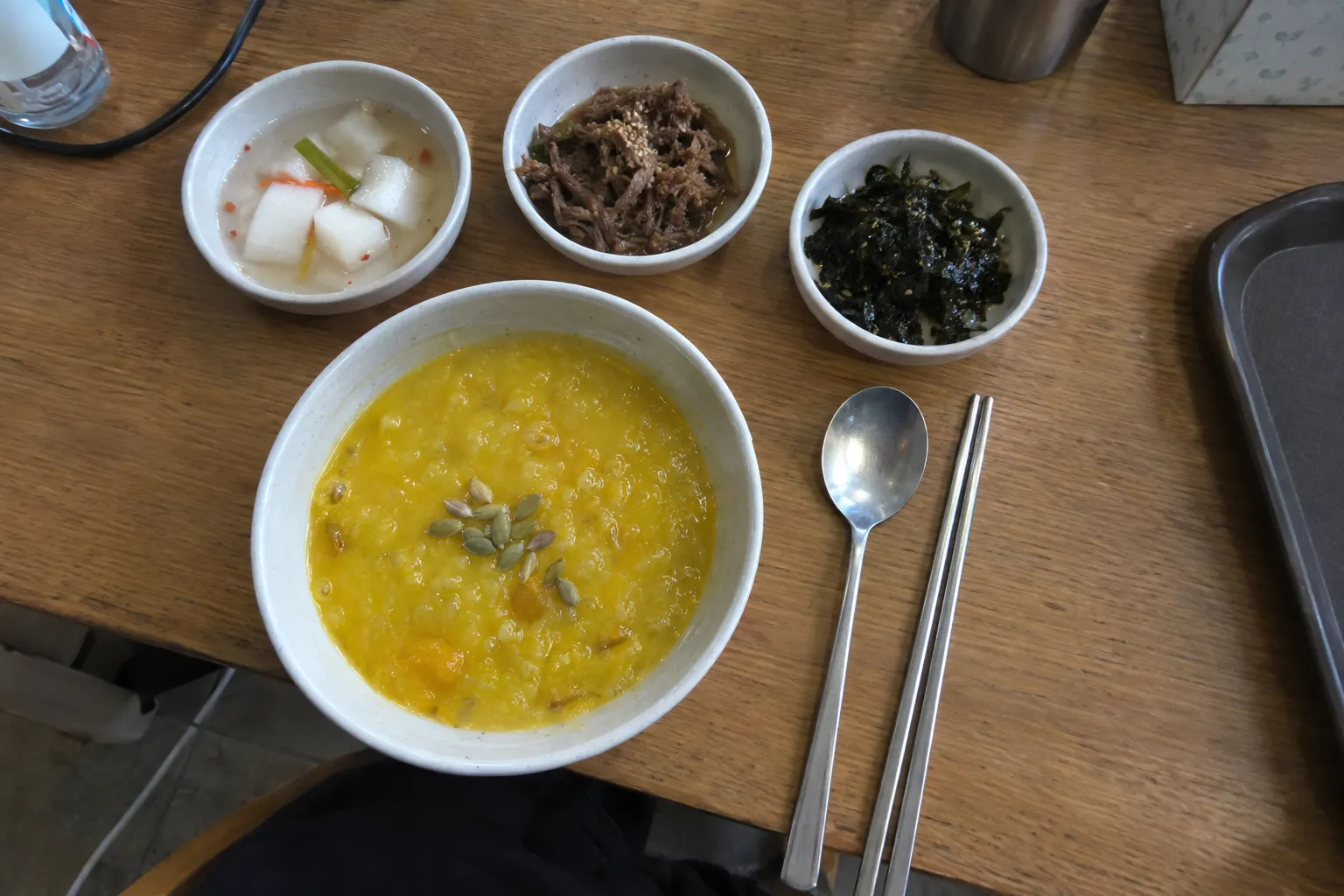
- Soft food. For a few days after facial or dental work you are buying porridge, soup and delivery rather than eating out.
- Taxis. You will not be taking the subway home from surgery, and transfers add up over a week of check-ups.
- A data plan. An eSIM or a prepaid SIM at the airport, because the clinic will message you and you will need maps.
- Deposits, and how you pay them. Cards work almost everywhere, but check your bank's overseas limit before the clinic day rather than at the counter.
- The return trip, if your procedure has a second stage. Ask at the consultation whether one is likely.
What travel insurance will and will not do
Standard travel insurance is built around accidents and sudden illness on holiday. Most policies exclude complications of elective cosmetic treatment, and some exclude anything connected to a procedure you travelled for.
- Read the exclusions, not the summary page, and read them before you book the flight.
- Ask whether your policy would cover an unrelated emergency while you are here, such as appendicitis or a fall. Many do, and that is the cover worth having.
- Specialist medical-travel policies exist. Whether they are worth it depends on the procedure and on what your clinic already includes.
- Ask the clinic what it does if a complication appears while you are still in Korea, and what it does after you have flown home. Get that answer before you pay a deposit.
- Keep every receipt and the itemised quote. Any claim anywhere starts with documents.
Where Korea is genuinely cheap, and where it is not
The parts of a trip that surprise people are rarely the ones they worried about.
- Cheap: public transport, convenience-store meals, ordinary restaurants, coffee if you avoid the landmark cafés, and pharmacy basics.
- Reasonable: taxis by international standards, domestic data plans, laundry.
- Not cheap: hotels in Gangnam during peak season, imported groceries, and anything bought at the airport.
- Free if you book with us: the medical interpreter, including at the consultation and on treatment day. That is usually a paid service elsewhere, and it is the line most people budget for unnecessarily.
- Variable: the treatment itself, which is why the written quote exists.
How long you should plan to stay is the other half of the budget, and it is answered in how many days you need in Korea. The entry rules that decide the maximum are in Korea visa and K-ETA for patients. If you want the sums done for a specific procedure, start at clinic matching or meet the interpreters.