Aloha skin clinic Seoul: what the site states and what to check before booking
Written by KCODI medical interpreter team · English deskUpdated · 8 min read

Searching aloha skin clinic seoul usually means you have found the clinic on a map or through a friend and want to know whether it is a real dermatology practice or an aesthetic shop with a doctor's name on the door. That is a fair question, and it is answerable.
Below: what the clinic states on its own site, what a neighbourhood clinic outside Gangnam changes for a visitor, the checks that apply at any Korean skin clinic, and a second itemised quote if you want to compare before you commit to a course.
KCODI is a booking and medical-interpretation service. We are not affiliated with this clinic and we are neither recommending it nor warning against it.
What the official site states
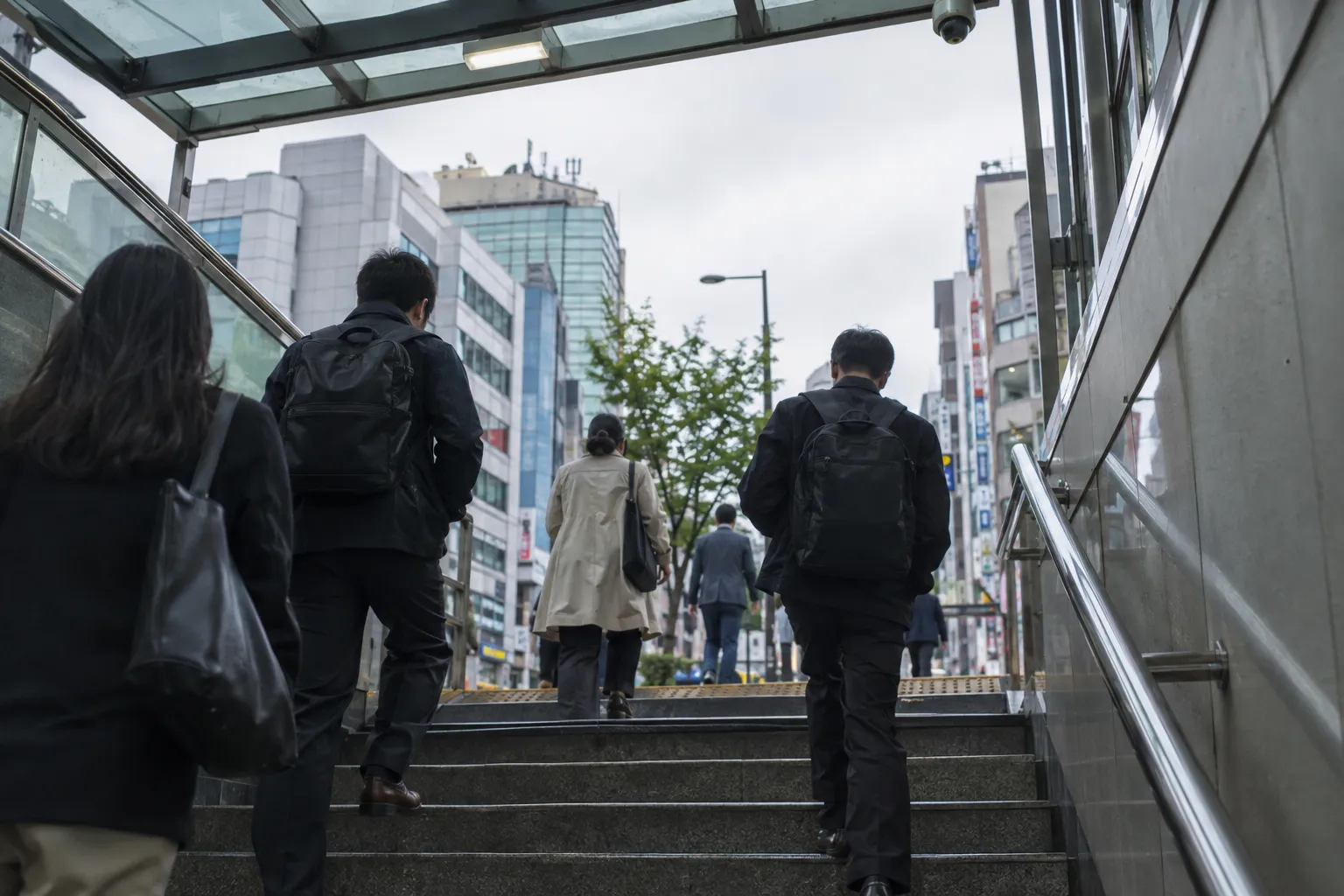
The site gives the name as 아로하피부과의원, ALOHA Dermatology Clinic, on the fifth floor of a building in Ahyeon-dong, Mapo-gu, Seoul. Its own directions point to Ahyeon Station exit 4 and to the Ewha and Sinchon station areas, which places it in a student and residential district rather than a cosmetic-tourism street.
The treatment menu is organised partly by age band and partly by concern: pigmentation including melasma, freckles, stubborn pigment, redness and tattoo removal; acne with acne scars, post-surgical scars, burn scars, stretch marks and pores; firming with laser lifting, botulinum toxin, filler, collagen injection and thread lift; and brightening with skin boosters and skin care. A separate group covers medical skin conditions such as fungal nail infection, warts, benign skin tumour excision, burns and wound care, shingles, hair loss and atopic dermatitis, psoriasis and vitiligo.
The site carries a language switch offering Korean, English, Chinese and Japanese, lists KakaoTalk, LINE, WeChat and WhatsApp as contact channels, and publishes opening hours with two late evenings a week and a Saturday morning. A posted fee notice, an online consultation form, a monthly event page and post-treatment instructions are all present. Those are the clinic's own statements as of the date checked above. What the firming treatments involve is on our laser lifting page.
A neighbourhood clinic is a different proposition
Most English-language writing about Korean dermatology describes Gangnam and Cheongdam. A clinic in Mapo is not a lesser version of that; it is a different business, and the differences are practical.
- The patient base is local and repeating. That usually means pricing built around courses for residents rather than one-visit packages for travellers, and it is the single thing most worth clarifying before you book.
- Medical dermatology sits next to aesthetics. A clinic that also treats eczema, warts and fungal infections is running a general dermatology practice, which is reassuring if your concern is a skin condition rather than a cosmetic one.
- Foreign-language support is likely to be a messenger channel rather than a coordinator in the room. A translated website and an English consultation are not the same service.
- Location shapes your schedule more than you expect. Ahyeon and Sinchon are well connected but they are not where most medical-tourism hotels are, so count the transfer each way if you are booking a course of visits.
How to judge clinics outside the usual districts is covered in choosing a skin clinic in Seoul as a foreigner.
Six things to check before booking any Korean skin clinic
| What to check | Why it matters | How to ask |
|---|---|---|
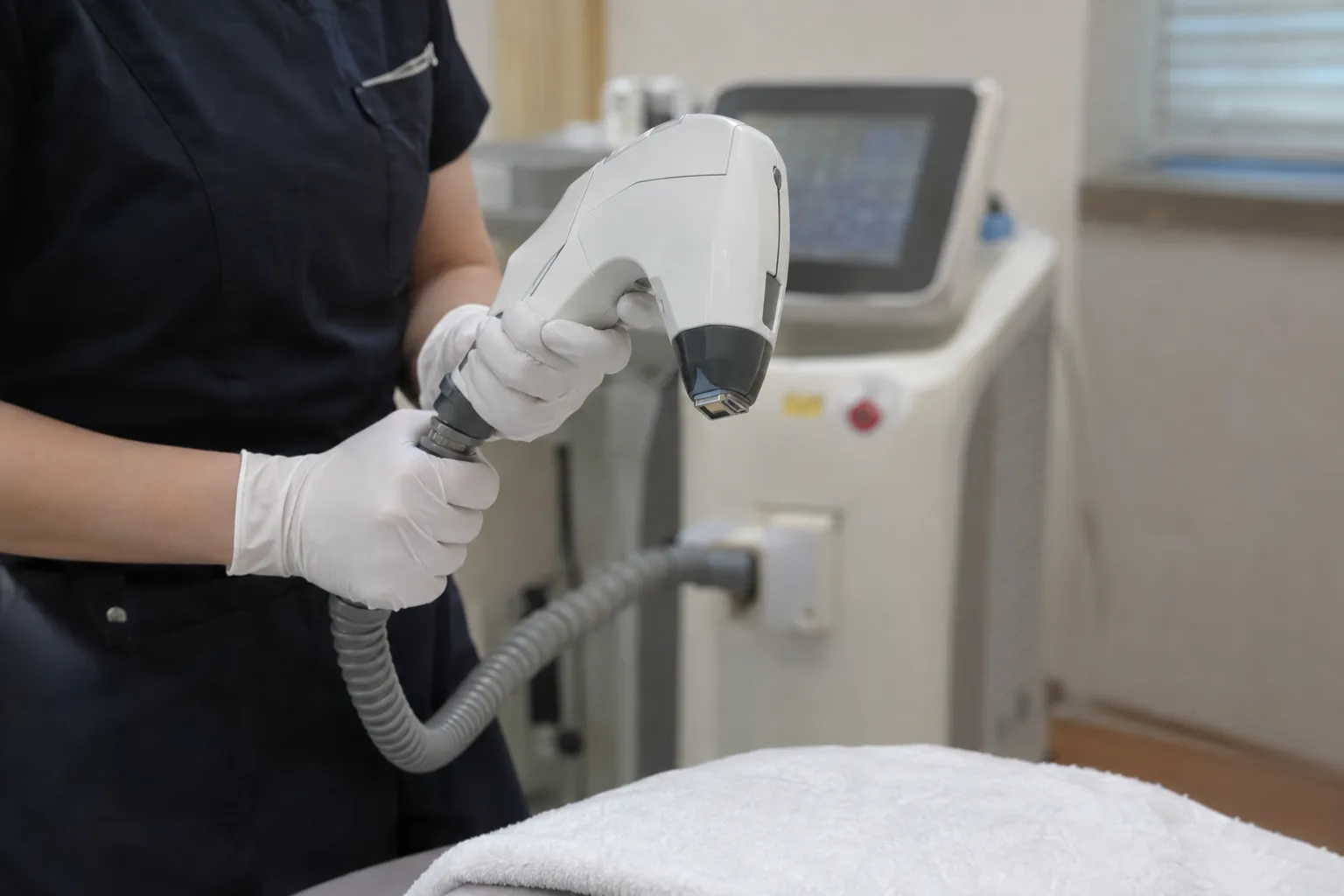
| Who holds the handpiece | Doctor, nurse and aesthetician roles differ by treatment and by clinic | Ask who performs this specific treatment, not who supervises it |
| Device and settings | The same brand name covers different machines, tips and energy levels | Ask the device name and the number of shots or passes included |
| Single session or course | Course pricing is the norm and it is where money gets locked in | Ask the single-session price before you hear the course price |
| What happens to unused sessions | You may fly home with sessions paid for and unusable | Ask the expiry and the refund rule in writing before paying |
| Downtime and sun | Redness, crusting and pigment rebound change what your trip looks like | Ask how many days of visible marks and what you cannot do afterwards |
| Foreign-patient registration | Only registered institutions may legally attract overseas patients | Ask for it and check the official list yourself |
How to read skin clinic reviews
Dermatology reviews are written earlier than any other kind, often the same evening, which distorts them in a specific direction.
- Immediate posts describe swelling and glow, not results. Pigment and collagen treatments are judged at four to twelve weeks, not on the day.
- Reviews tied to a monthly event are usually about the price, which changes every month. They tell you nothing about the treatment.
- The useful ones describe process: how long the consultation was, whether numbing cream had time to work, whether the quoted course matched the receipt.
- Anything describing a permanent result from one session is worth discounting, whatever it says.
If English in the room is your main worry rather than the treatment itself, English-speaking clinics in Seoul explains what the phrase usually means in practice.
Get a second itemised quote before you commit to a course
A course is a commitment made in one conversation, often on a first visit, in a language you do not read. One comparison quote turns it back into a decision.
If you are not sure which treatment your concern needs, clinic matching narrows it in about two minutes, and the dermatology overview shows what each option is for.
Fitting treatments around a short trip
- Book the consultation early in the trip. Most clinics will not treat pigment on a face that flies out the next morning, and you want room to reschedule.
- Declare isotretinoin, recent sun exposure, pregnancy and any autoimmune condition before the treatment is chosen, not after.
- Ask what you may not do afterwards: sauna, alcohol, exercise, makeup, and how many days each restriction lasts. Plan the rest of the trip around that answer.
- Take the aftercare sheet in a language you read, or photograph it and have it translated the same day.
- Decide in advance what you will say to a course offer. "I will decide after this session" is a complete sentence, and a clinic worth returning to accepts it without pressure.