Dermatology
Ultherapy in Korea, Thermage and Potenza: pick the right lifting device
Ultherapy in Korea is priced by the number of shots, and that one detail explains most of the price gap between clinics. People call this category laser lifting, though the machines use ultrasound and radiofrequency, not laser. Ultherapy tightens the deep layer. Thermage tightens the skin itself. Potenza uses fine needles with radiofrequency for pores, scars and texture. One session takes thirty to sixty minutes with numbing cream, and you can fly the next day. Your KCODI interpreter helps you compare quotes that actually match.
Typical price in Seoul
≈ $430 – $2,500
₩600,000 – ₩3,500,000 · per session
- Stay in Korea
- 1–2 days
- Procedure time
- 30–60 min
- Anesthesia
- Numbing cream or drops
- Clinic visits
- 1 visit




Market estimate, not a quote. Your written quote comes after a free consultation.
- Ultherapy is quoted in shots (lines), Thermage in tip size and pulse count. Compare those numbers, not just the headline price.
- One visit, 30–60 minutes. Mild redness or swelling for a day or so. Potenza leaves pinpoint marks for one to three days.
- Results build over two to three months as collagen forms. You will not see the full effect before you fly home.
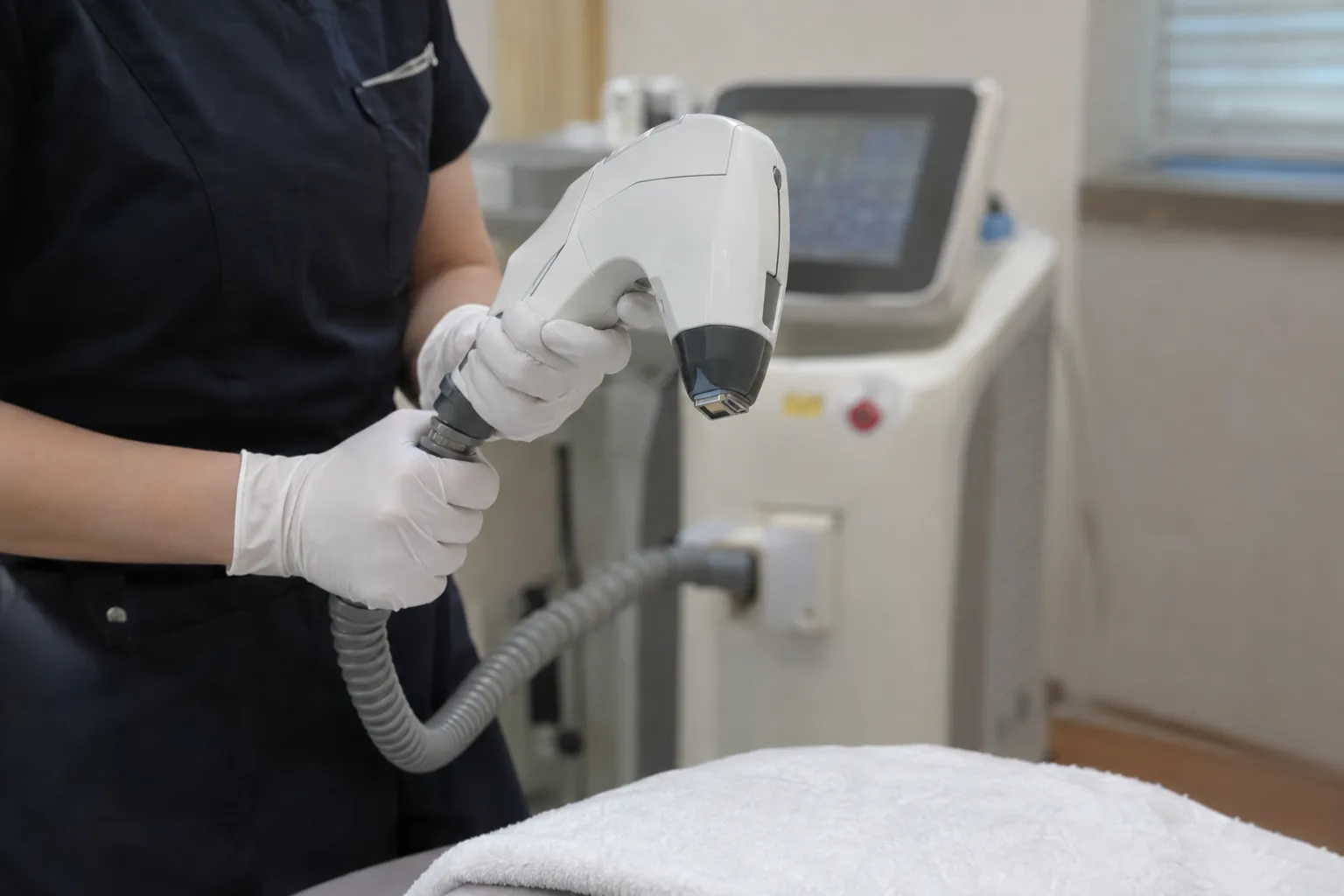
What she does on your clinic day

Comparing quotes
She gets each clinic to state the device generation, shot count or tip size, and who performs the treatment. Then the quotes can be compared honestly.

In the room
She asks the staff to open the sealed Thermage tip or show the Ultherapy shot counter in front of you. It is a normal request in Seoul, and good clinics expect it.

Pain and aftercare
She tells the doctor when the heat is too much so the settings can be adjusted. Afterwards she sends you sun and skincare instructions in English.


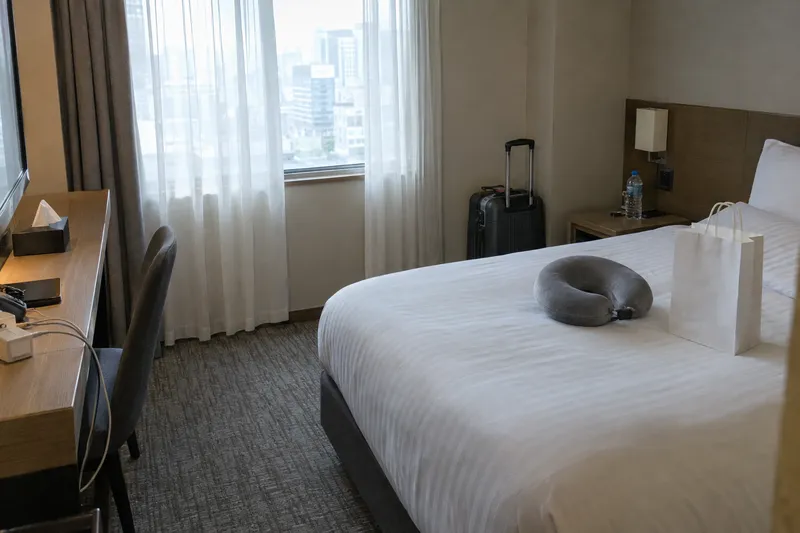
Stay in Korea
0:00
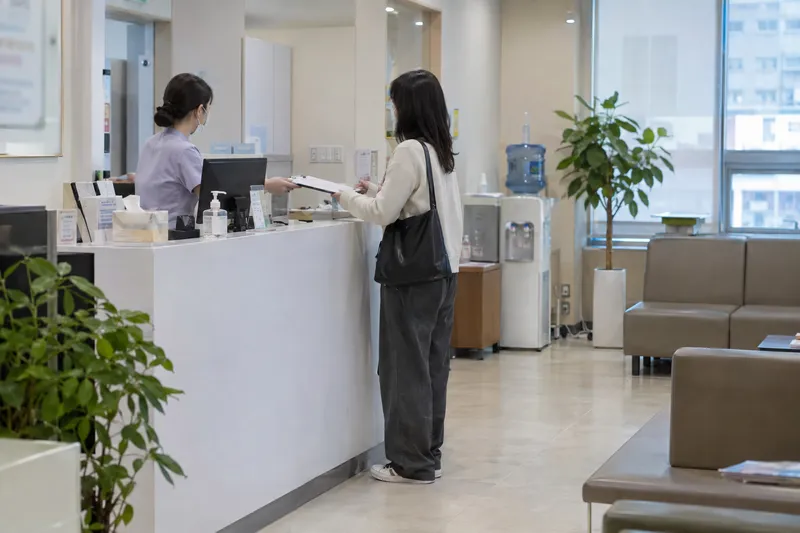
Check-in and photos
Health form and before photos. Mention fillers, threads or implants in your face.
0:10
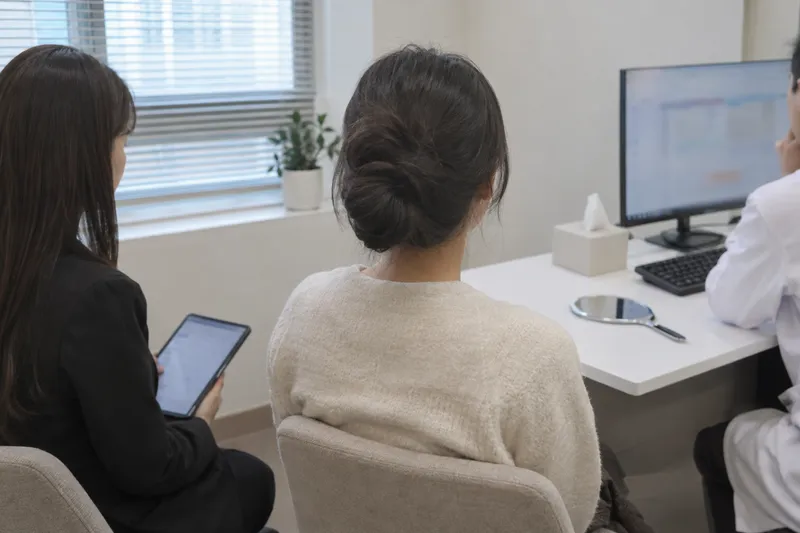
Doctor consultation
The doctor checks skin thickness and laxity and recommends a device, or a combination.
0:25
Numbing
Thirty minutes of numbing cream. Some clinics offer sedation for Ultherapy at extra cost.
0:55
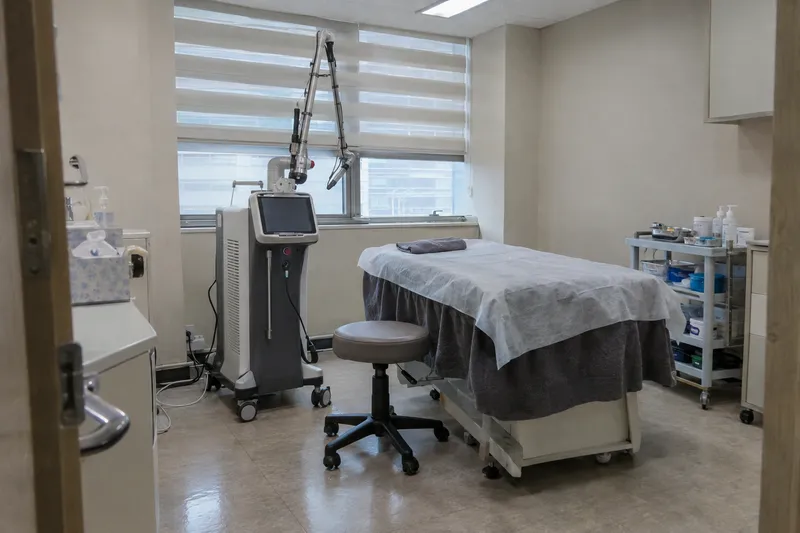
Treatment
Thirty to sixty minutes. Ultherapy feels like deep, brief aches along the jaw. Thermage alternates heat and cooling.
Same day
Back to your trip
Light redness fades within hours for most people. Sunscreen, no sauna for a few days.
Typical price in Seoul
The range is wide because the treatments differ. Korean-made ultrasound and radiofrequency devices sit at the lower end. Ultherapy at 300 to 600 shots and Thermage FLX at 600 to 900 pulses sit higher. Extremely low event prices usually mean fewer shots, so read the numbers. Your quote states device, count and who treats you.
- You have early jowls, a softer jawline or a heavier lower face and are not ready for surgery
- You want tighter skin and finer pores before an event that is a couple of months away
- You have done these treatments at home and want the same device at a Seoul price
- You want a doctor, not a sales counsellor, to choose the device and the settings



 Plastic
 Eyes
Eyes Dental
 Hair
Hair Checkup
 Hanbang