Is teeth whitening in Korea safe, and what does a dentist actually do?
Written by KCODI medical interpreter team · English deskUpdated · 6 min read

In shortTeeth whitening in Korea is safe for most people once a dentist has checked for decay, cracks and gum disease. Expect temporary sensitivity and some gum irritation, and know that existing crowns or veneers will not change colour.
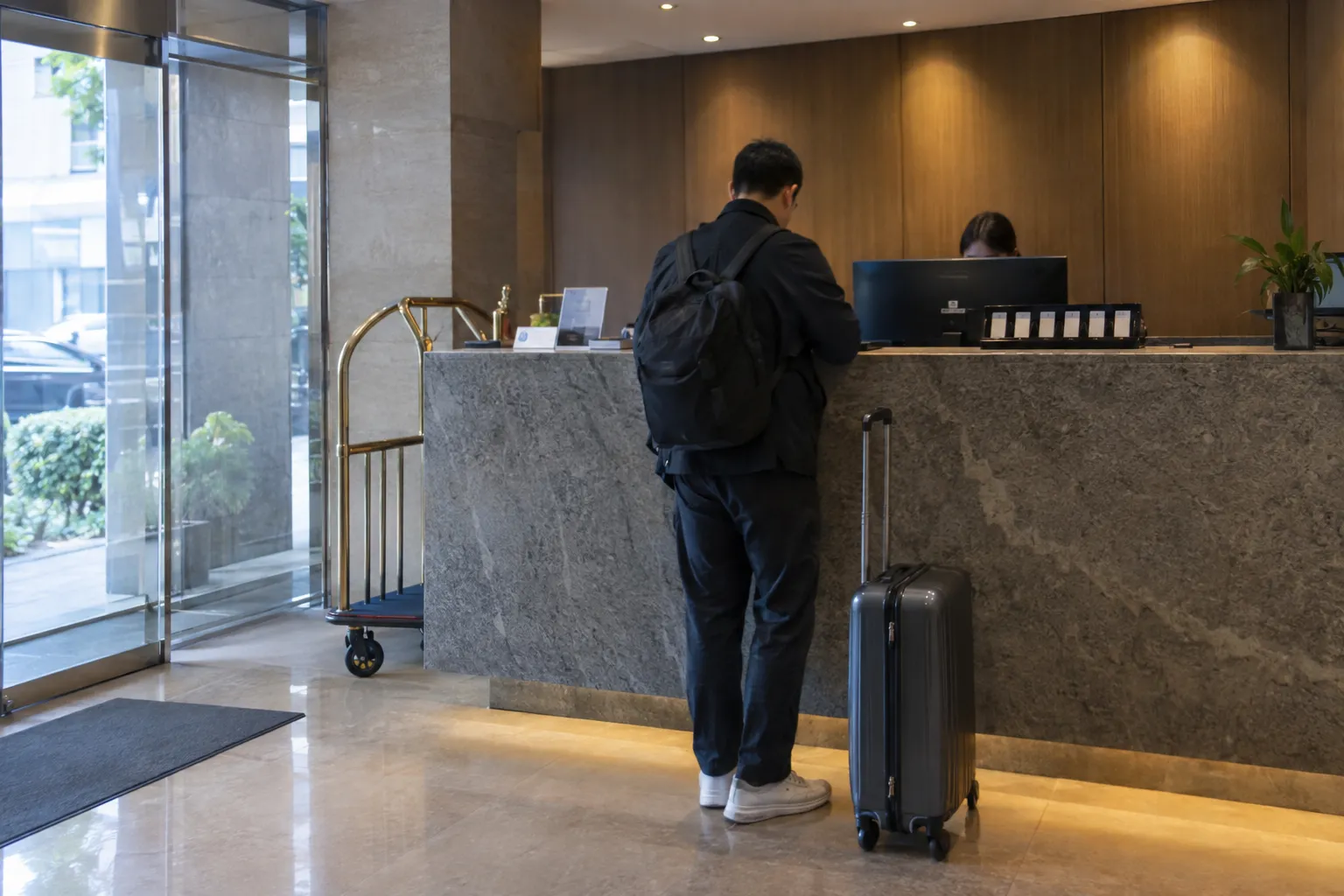
Is teeth whitening in korea safe is usually asked by someone who has seen the price, compared it with home, and is now suspicious of the gap. The gap is real and it is not about safety: whitening in Korea is done in dental clinics by dentists, and the price reflects a domestic market where people get it done routinely.
What does vary is whether anyone examines your mouth first. That single step is the difference between a treatment that is uneventful and one that hurts for a week or reveals a problem you did not know about.
Below: what a proper Korean appointment includes, what the sensitivity actually feels like, and who should not have it at all. The estimated range sits on the teeth whitening page.
Is whitening safe, and what are the real risks?
For most healthy mouths, yes. The two side effects that actually happen are temporary tooth sensitivity and gum irritation where the gel touches soft tissue, both usually resolving within a few days. The serious problems come from whitening over an existing problem rather than from the whitening itself.
- Untreated decay: gel reaching the inside of a tooth is painful and needs treating first.
- Cracks and exposed roots: sensitivity is much worse, sometimes sharply.
- Gum disease: irritated gums react badly to peroxide gels.
- Recent dental work: dentists usually wait, and a filling may need replacing afterwards to match the new colour.
- Pregnancy, and children with developing teeth: normally deferred.
Is teeth whitening bad for your enamel is the other common worry. Supervised whitening at normal concentrations does not strip enamel; what it does is temporarily open the tubules, which is exactly why teeth feel sensitive for a day or two and why dentists limit how often it is repeated.
What happens in a Korean whitening appointment?
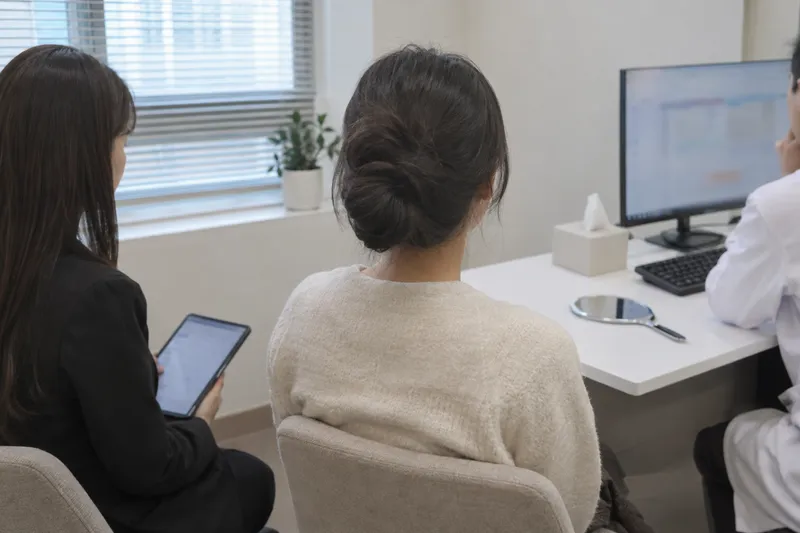
A check, a clean, then the gel. Korean dental clinics normally examine and scale first, because whitening over plaque gives a patchy result and whitening over decay gives a bad afternoon. Scaling is often a separate charge, which is where quotes diverge.
| In-clinic session | Take-home trays | Combined plan | |
|---|---|---|---|
| How long | About an hour in the chair | Nightly for one to two weeks | One session plus trays |
| Visits | One, sometimes two | One to fit the trays | Two |
| Sensitivity | More likely, shorter-lived | Milder, spread out | Managed between the two |
| Suits a short trip | Yes | Only if you can collect the trays | If you have several days |
| Fades | Yes, over months to a year or two | Yes | Yes |
| Usually needs scaling first | Yes | Yes | Yes |
Our dental scaling and cleaning guide covers that first step, and routine dental work in Korea covers what else can be done in the same visit.
Why will my crowns and veneers not whiten?
Because whitening gel works on natural tooth structure, and ceramic and composite do not respond to it. If you have a crown, a veneer or a large white filling on a front tooth, whitening the teeth around it will make that restoration look darker by contrast, not lighter.
This is the most common unpleasant surprise in the chair, and it has a simple sequence solution: whiten first, then replace the visible restorations to match the new shade. Which means if you are also considering veneers in Korea, the order of operations matters and it should be planned on day one, not improvised on day four.
It also affects the shade you should choose. Our Korean dental aesthetics guide covers why the very brightest shade often looks wrong on camera and why Korean dentists tend to steer patients one or two steps back from it.
Does it matter whether the clinic is in Gangnam, Hongdae or Busan?
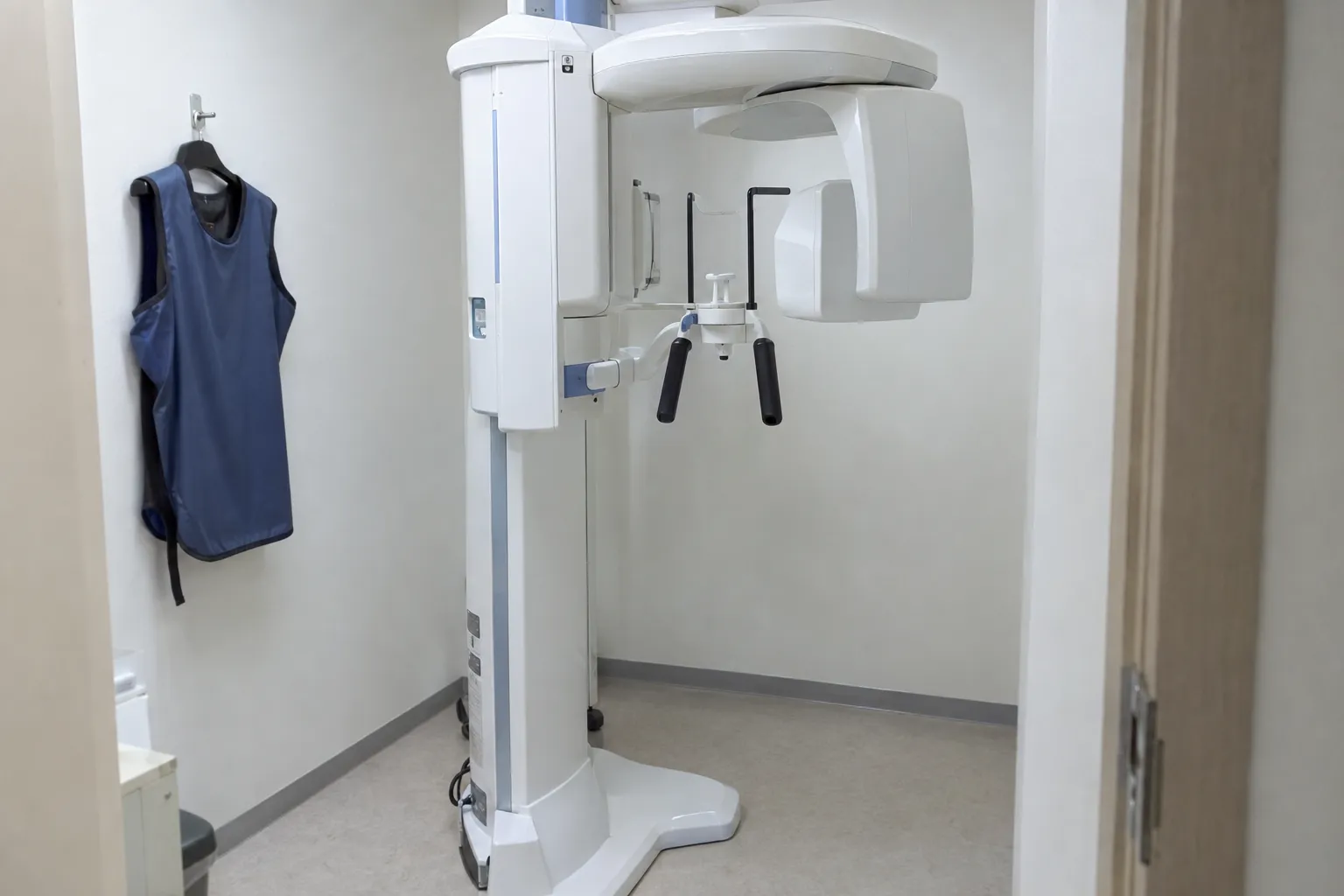
Less than people expect. Teeth whitening seoul hongdae and teeth whitening busan korea searches are really asking about convenience, and for a one-hour appointment convenience is a reasonable thing to optimise. What should not vary is the examination, the scaling and whether an English-capable dentist explains the sensitivity plan.
Two practical notes for visitors. Neighbourhoods near universities and shopping districts tend to keep later hours, which helps if your days are full of other appointments. And clinics registered to treat foreign patients are used to writing an English receipt, which matters if you need follow-up at home. Our clinic licence guide explains how to check that registration.
How do you manage the sensitivity afterwards?
Expect it, plan for it, and it stops being a problem. Teeth whitening sensitivity after treatment peaks in the first 24 hours and is usually gone within two to three days, and what makes it worse is cold drinks and pressing on with acidic food.
- Ask for a desensitising gel or toothpaste and start it the day before if the dentist suggests.
- For 48 hours, avoid anything strongly coloured: coffee, red wine, curry, soy sauce, berries.
- Warm rather than cold drinks for the first day.
- If a specific tooth hurts sharply rather than generally, tell the clinic. That is not normal whitening sensitivity.
- Do not stack another session onto the same trip to "go whiter". Shade stabilises over days.
- Keep the receipt with the product used, so a dentist at home can advise on touch-ups.
And a realistic expectation: whitening fades. Most people see it drift back over months to a couple of years depending on coffee, tea and smoking, and touch-up trays are how Korean patients maintain it. Anyone promising a permanent result is selling something teeth do not do.
If you want the whole dental trip sequenced rather than booked piecemeal, treatment matching takes about two minutes, or meet the interpreters who sit in on dental appointments.