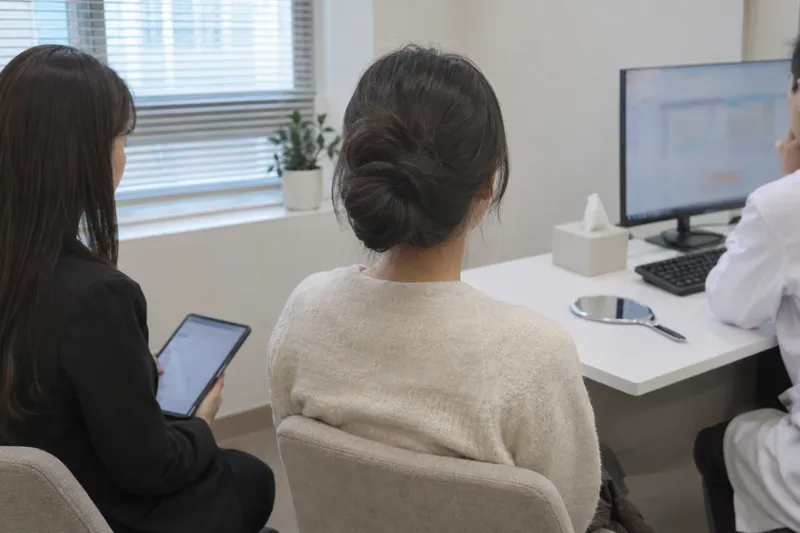
Routine dental work in Korea, from a filling to a wisdom tooth
Written by KCODI medical interpreter team · English deskUpdated · 8 min read

Most writing about dentistry in Korea is about the cosmetic end: veneers, whitening, the camera-ready smile. The quieter half of the work is ordinary. Fillings, root canals, a wisdom tooth that has been threatening to erupt sideways for two years, a crown that came off on holiday.
Korean dental clinics do a lot of this, they are fast, and the appointment culture is not what visitors expect: same-week is normal, and in many neighbourhoods so is same-day.
This guide covers what routine dental work in Korea looks like for a visitor, how many visits each thing needs, what the insurance situation really is, and how to find a dentist who works with foreign patients.
How many visits each thing takes
The planning question is never the price, it is the number of appointments. Anything that needs a laboratory needs two visits at minimum, and a few days between them.
| Treatment | Visits | Days needed | Notes |
|---|---|---|---|
| Examination and X-ray | 1 | Same day | Panoramic X-ray is routine here |
| Scaling / cleaning | 1 | Same day | Often the first thing offered |
| Simple filling | 1 | Same day | Composite in one sitting |
| Root canal treatment | 2–4 | About a week | Then a crown, which adds visits |
| Crown | 2 | Around 5–7 days | Some clinics offer same-day digital crowns |
| Wisdom tooth extraction | 1–2 | Same day, review in about a week | Difficult cases may be referred for sedation |
| Dental implant | Several | Months, across two trips | Bone healing cannot be rushed |
So a one-week trip comfortably covers a cleaning, fillings, a wisdom tooth, and the start or finish of a root canal. It does not cover an implant from start to finish, whatever a package advertisement implies.
Wisdom teeth and root canals, specifically
These are the two that bring people in mid-trip, usually in pain.
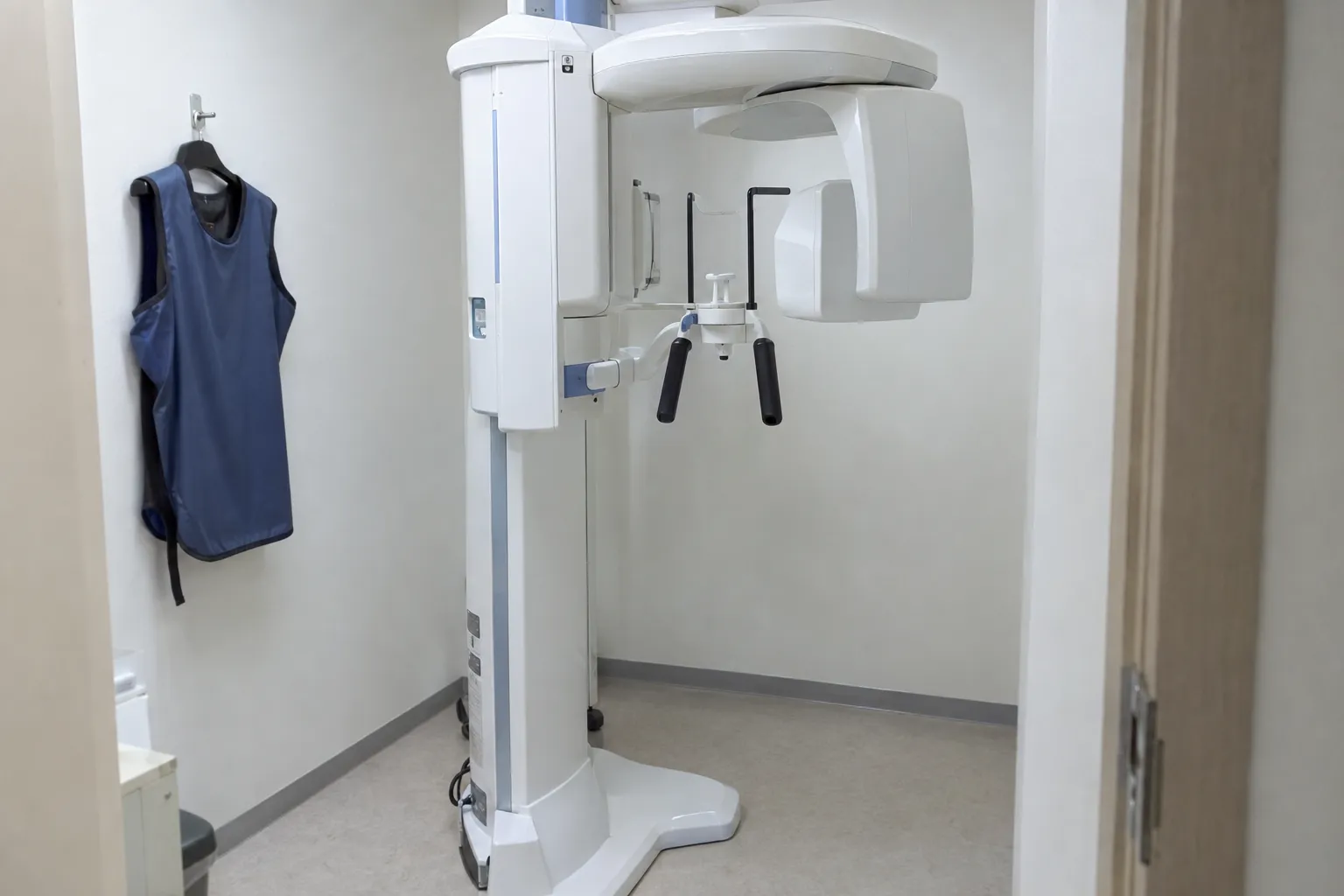
A wisdom tooth extraction in Korea starts with a panoramic X-ray and often a CT if the root sits near the nerve. A straightforward upper tooth is a short appointment. A horizontally impacted lower one is surgical, takes longer, and leaves swelling for several days. Clinics usually extract one side at a time so you can still eat.
Root canal treatment is spread over appointments, typically a few days apart, and the tooth is not finished until a crown goes on. If you leave Korea between the root canal and the crown, ask for the treatment notes and X-rays so your dentist at home can complete it.
- Take antibiotics and painkillers as prescribed; the Korean pharmacy is usually in the same building.
- No smoking, no straws and no alcohol after an extraction, on the dentist's timeline.
- Avoid a long-haul flight on the same day as a surgical extraction if you can.
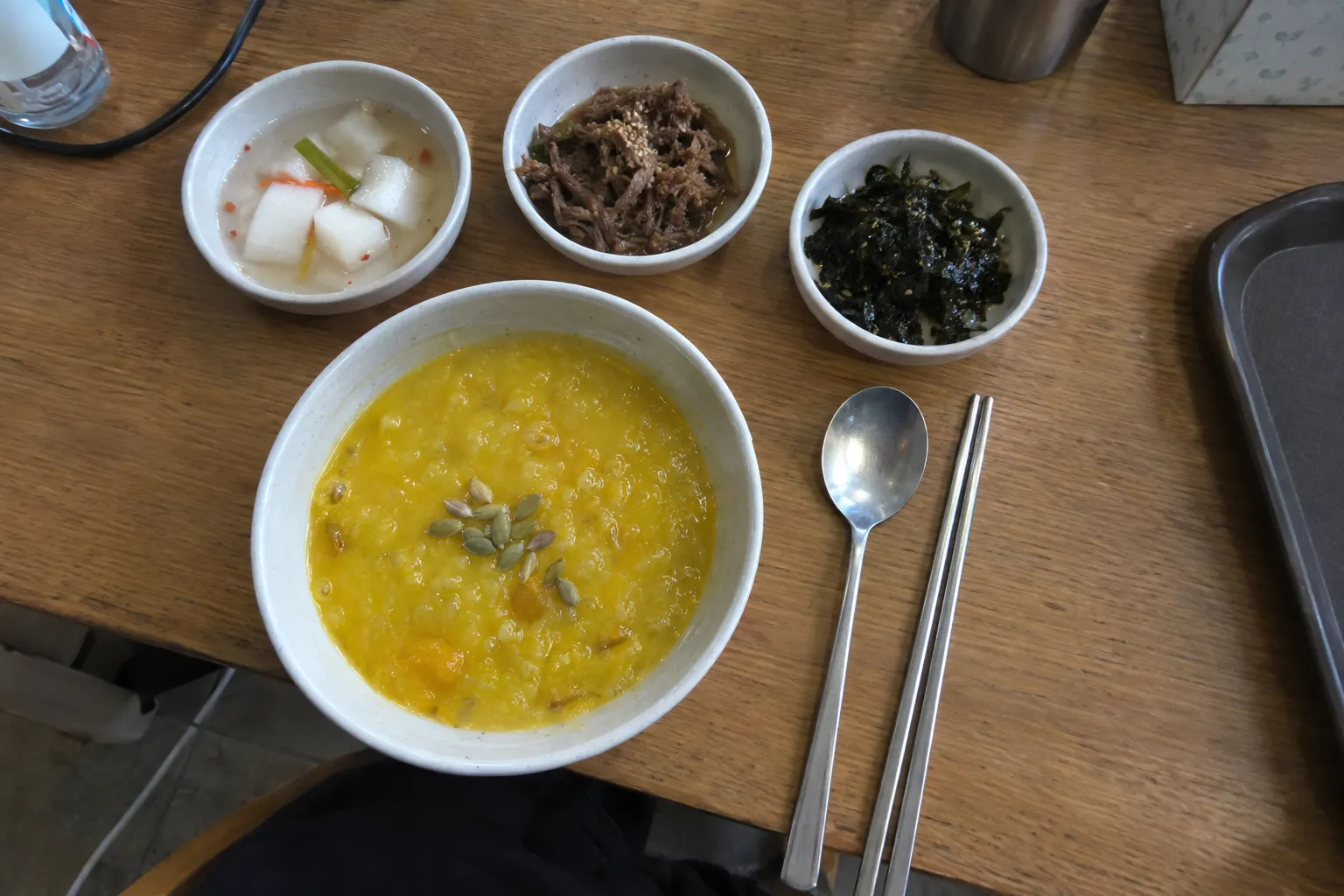
- Soft food for the first days. Seoul is generous about this; see recovery food.
- Keep the receipt and the treatment record for any insurance claim at home.
Dental insurance in Korea, and what it means for you
Korea's National Health Insurance covers residents, and it does cover part of basic dentistry: examinations, scaling once a year, fillings, root canal treatment and extractions among them. Cosmetic work such as veneers and whitening is not covered, and implants are covered only for residents in specific age and quantity conditions.
As a visitor without Korean national insurance you pay the uninsured rate for everything. That is simply how it works, and it is why a Korean friend's figure for the same treatment will not match yours. Private dental insurance in Korea is a resident product too.
- Check your travel or home dental policy before you go, and ask what documents it needs.
- Ask the clinic for an itemised receipt with the treatment codes and the tooth numbers.
- If you are on a long-stay visa and enrolled in Korean national insurance, say so at reception; the covered portion applies.
- Do not assume a package price includes the X-ray, the crown or the follow-up. Ask.
Finding a dentist in Korea for foreigners
Dentistry is the specialty where the language gap bites hardest, because the whole conversation happens while you are lying back with instruments in your mouth. Pointing does not cover tooth numbers, nerve proximity or whether you want the tooth saved.
- Bring any recent X-rays from home as files. It saves a repeat and gives the dentist a baseline.
- Bring your passport. Medical institutions register foreign patients by passport, not by name alone.
- Ask whether the dentist treating you is the one you consulted with.
- Ask what is covered if the filling or crown fails within a few months, and get it written.
- Check the institution is registered to treat foreign patients. We explain how in checking a clinic licence.
If your trip is actually about the cosmetic side, the relevant pages are getting veneers in Korea, braces and orthodontics and dental implant cost per tooth. For everything else, clinic matching will shortlist a dental clinic near where you are staying, or meet the interpreters who cover dental appointments.