Korean plastic surgery recovery time, compared procedure by procedure
Written by KCODI medical interpreter team · English deskUpdated · 8 min read

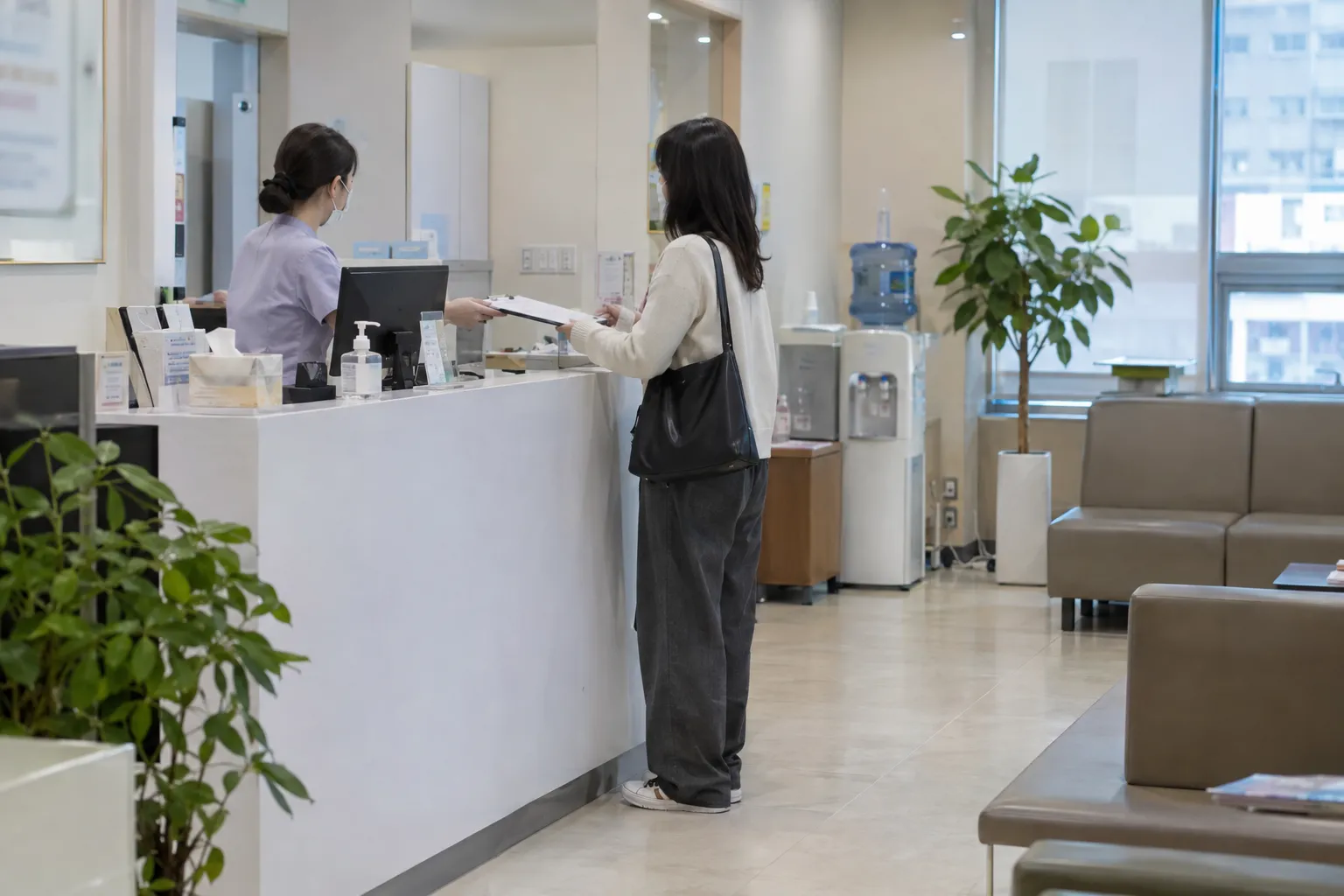
Korean plastic surgery recovery time gets quoted as a single number far too often. In the consultation room it is always three numbers: the day the stitches come out, the day you look fine in public, and the day the result is final. Only the first one decides your flight.
Our interpreters book the follow-up visits, so they see where people miscalculate. Someone flies in for four nights for an operation that needs a stitch removal on day seven. Someone else books two weeks for a treatment that needed two days.
Below is the comparison by procedure, what extends it, and the aftercare visits that are easy to forget when you are planning around a plane ticket.
Recovery is three separate dates
Clinical recovery is what the clinic needs from you: dressings, stitch removal, a splint check, a drain removal. Those are fixed appointments and they set the minimum stay.
Social downtime is when you stop looking like you had something done. Bruising and the first swelling drive this, and makeup shortens it for some procedures and not at all for others.
Final result is months later for anything surgical. Nobody needs to stay in Korea for it, but it is the number that makes forum photos confusing, because a day-ten photo and a month-six photo of the same patient look like two people.
By procedure: stitches, downtime and nights in Korea
| Procedure | Stitches or device removed | Looks presentable | Typical nights in Korea |
|---|---|---|---|
| Double eyelid, incisional | Day 5–7 | 10–14 days | About a week |
| Double eyelid, non-incisional | Day 3–5 | 7–10 days | Under a week |
| Under-eye fat repositioning | Day 5–7 if external | 10–14 days | About a week |
| Rhinoplasty | Splint day 5–7 | 10–14 days | One to two weeks |
| Chin or submental liposuction | Day 5–7, compression band longer | 1–2 weeks | About a week |
| Body liposuction | Day 7–10, garment for weeks | 2–3 weeks | One to two weeks |
| Breast augmentation | Day 7–10 | 2–3 weeks | About ten days |
| Facial contouring or jaw surgery | Day 10–14, swelling months | 4–8 weeks | Two weeks or more |
| Facelift | Day 7–14 | 3–4 weeks | Two weeks |
The exact recommended stay for each procedure is rendered on its own page, for example Korean eyelid surgery and liposuction in Korea, because it also depends on how many clinic visits the operation needs.
Eyelids and chin liposuction: the two people underestimate
Korean double eyelid surgery recovery time sounds short because the operation is short. The incision is small, but the stitch line sits on the most visible part of your face, and the swelling in the first week makes the crease look far higher than the final result. People panic on day four. By week three the same eyes look completely different.
Korea chin lipo recovery time surprises people the other way around. The procedure itself is quick, but you wear a compression band under the jaw, and the tissue under the chin stays firm and slightly numb for weeks. It is not painful. It is just not invisible, and a scarf does not hide a chin strap.
What makes downtime longer
- Combining procedures. Two operations in one anesthesia means one recovery, but the longer of the two, plus a bit.
- Heat. Saunas, hot baths and the jjimjilbang are off the list for weeks, as explained in sauna and jjimjilbang after surgery.
- Salt and alcohol in the first fortnight.
- Smoking, which slows wound healing and matters most where skin was lifted.
- Exercise too early. The heart rate is the problem, not the movement.
- Skipping the aftercare sessions the clinic scheduled for swelling.
The follow-up visits people forget to plan
- Day 1 dressing check for most surgical procedures.
- Stitch or splint removal, the appointment that sets your earliest flight.
- Swelling care sessions, if your package includes them. Ask whether they are included or billed per session.
- A final check before you fly, where the surgeon writes what your doctor at home should know.
- Remote follow-up after you leave: photographs at one, three and six months, sent through your interpreter so the clinic reads them in Korean.
Ask at the consultation how many visits are already in the quote. That question belongs in the same conversation as the price, and our itemised quote guide lists the rest of it.
Where to recover, and with whom
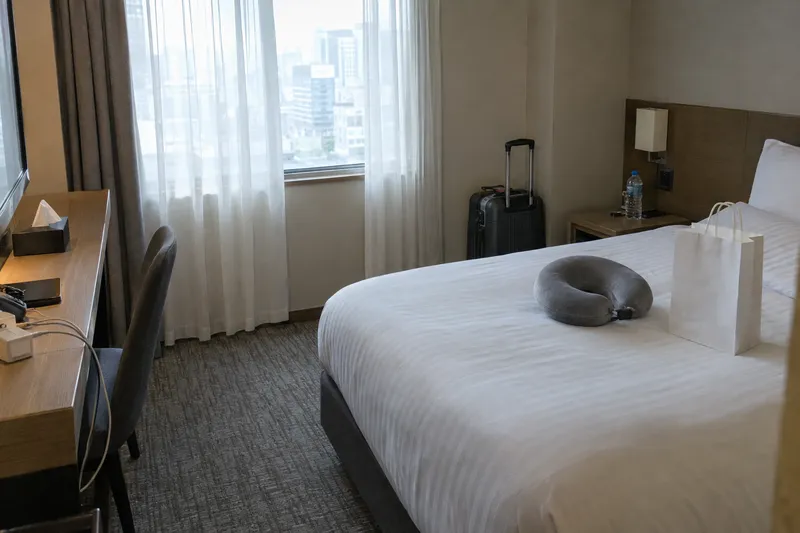
The practical requirements for a recovery stay are dull: within a short taxi ride of the clinic, a lift, a fridge, blackout curtains, and a convenience store downstairs. Most partner clinics sit in Gangnam, Apgujeong or Sinsa, which our clinic areas guide maps out.
Coming alone is common and manageable for smaller procedures. For anything under general anesthesia, someone needs to take you back from the clinic. That is one of the jobs the interpreters do, and if you are still choosing a procedure, treatment matching takes about two minutes.
A few practical things to pack that nobody lists: front-opening tops so nothing goes over your head, a straw for the days chewing or opening your mouth is uncomfortable, low-salt snacks, a phone charger with a Korean plug, and a spare mask. Convenience stores downstairs solve most of the rest at two in the morning.
One more thing worth arranging before you fly: who takes the photographs. Clinics photograph you before surgery in their own lighting, and you will want the same angles afterwards to judge anything honestly. Ask for copies of the pre-op set before you leave Korea, because requesting them by email from another country months later rarely goes quickly.
Book the hotel on a rate that allows extension. Swelling occasionally keeps people in Seoul two or three days longer than planned, and a non-refundable booking turns a medical decision into a financial one. Your interpreter can extend a Korean-language booking in a phone call.