Korean rhinoplasty recovery time: what each day after surgery looks like
Written by KCODI medical interpreter team · English deskUpdated · 8 min read

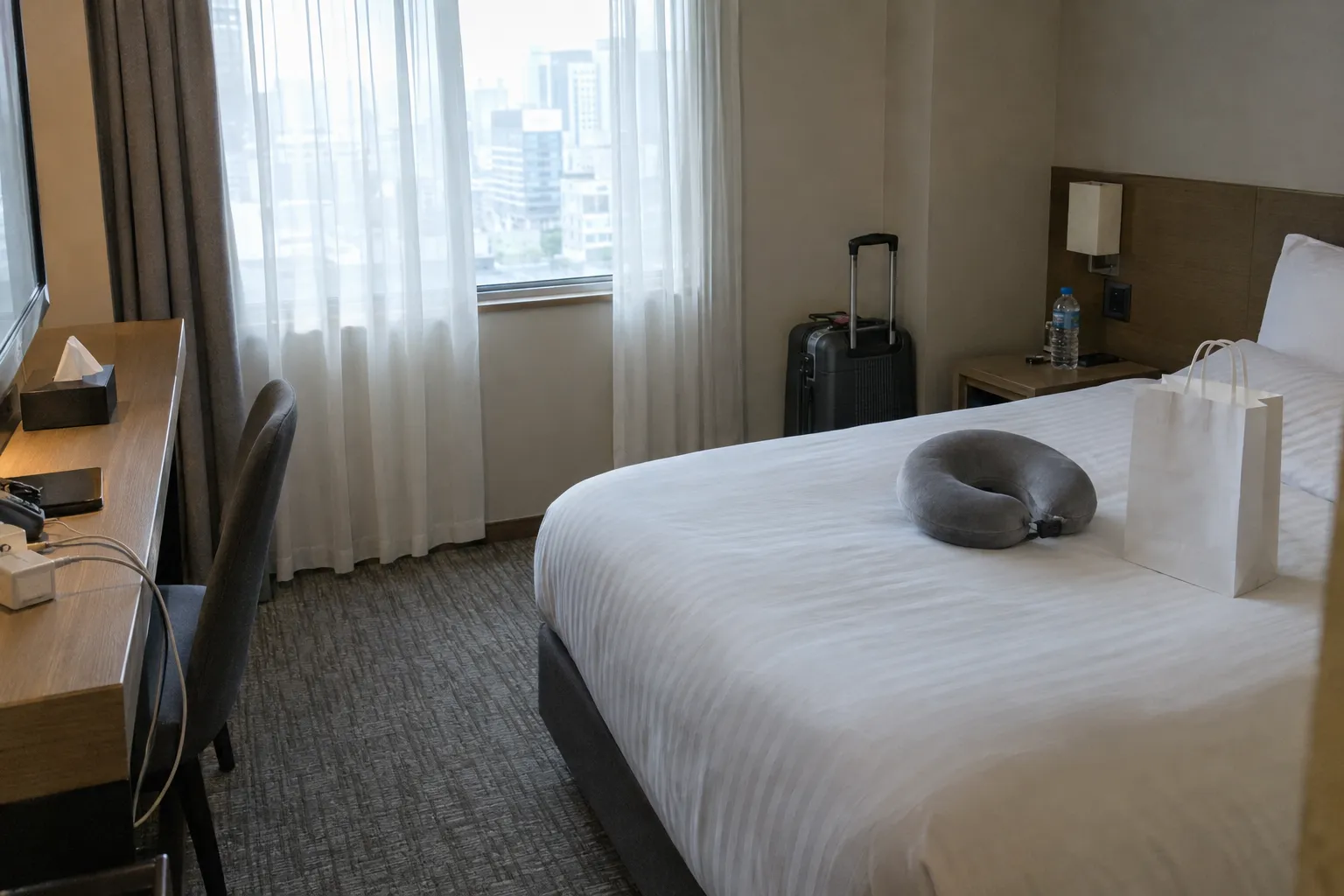
Korean rhinoplasty recovery time is not one number. There is the day the splint comes off, the day you stop looking bruised, the day you would be comfortable at work, and the month the tip finally settles. They are weeks apart, and the flight home only depends on the first two.
Our interpreters sit in on the day-three swelling calls and the day-seven splint removals, so this is the version with the boring, useful details in it: what hurts, what leaks, what you cannot do, and what a surgeon means when he says you can travel.
Individual healing varies and your surgeon decides your own schedule. Treat the days below as the common pattern, not a promise.
The first 48 hours
You wake up with a splint on the bridge, packing or silicone splints inside the nostrils at many clinics, and tape across the nose. Breathing happens through your mouth, which is the part nobody warns you about. Your throat will be dry by morning.
Pain is usually described as pressure rather than sharp pain. The swelling peaks around day two to three, and so does the bruising under the eyes if the surgeon worked on the bone. Sleep propped up on two pillows, cold compress on the cheeks and not on the splint, and take the medication on the schedule the clinic wrote, not when it starts to hurt.
Day by day, in the shape most schedules take
| When | What is happening | What you do |
|---|---|---|
| Day 0 | Surgery, then two to four hours of observation | Go straight to the hotel. Someone should travel with you or meet you |
| Day 1 | Clinic checks the dressing, nasal packing often comes out | Short walk, no bending, no hot food |
| Days 2–3 | Swelling and bruising peak | Cold compress, head elevated, no exercise |
| Days 4–5 | Bruising starts to turn yellow, breathing improves | Light walking outside, sunglasses help |
| Days 5–7 | Splint and external stitches removed at the clinic | First real look. It still looks swollen. That is expected |
| Days 7–10 | Bruising fades enough for makeup on the under-eyes | Most people fly home in this window if the surgeon agrees |
| Weeks 2–4 | Tape at night, obvious swelling settles | Back to desk work, no contact sport, no glasses on the bridge |
| Months 3–12 | Tip swelling resolves slowly, shape refines | Photos at three, six and twelve months |
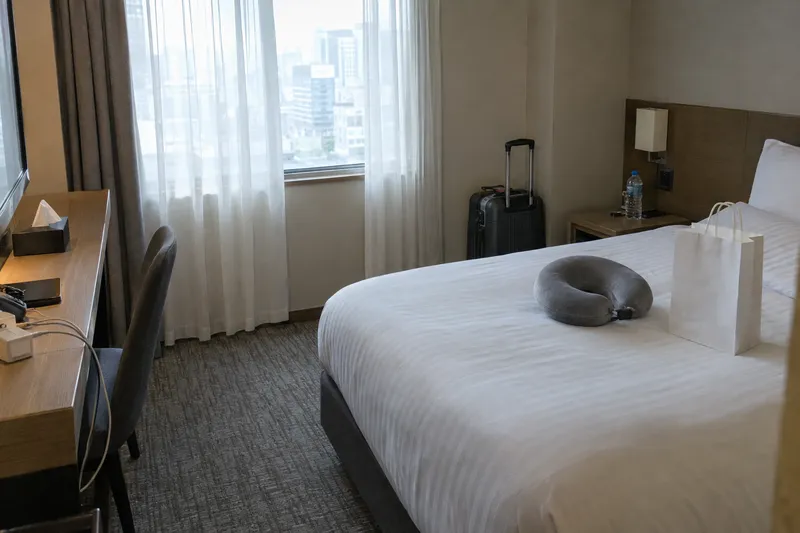
The two dates that matter for a plane ticket are splint removal and the surgeon's clearance. The recommended stay for rhinoplasty is shown on the Korean nose job page, and it exists because of that splint, not because of the pain.
How many nights in Seoul, honestly
People searching rhinoplasty korea recovery time usually want one answer: can I come for five days. Sometimes yes, if the surgeon removes the splint early and the case is simple. Often it is uncomfortable, because you leave before the stitches come out and have to find a clinic at home to remove them.
- Simple tip work or a small implant change: shorter stay, splint sometimes off around day five.
- Primary rhinoplasty with osteotomy, or a first-time implant: plan for the splint to stay about a week.
- Rib cartilage or revision cases: longer, and the chest site has its own soreness. See our revision plastic surgery page for what a second operation involves.
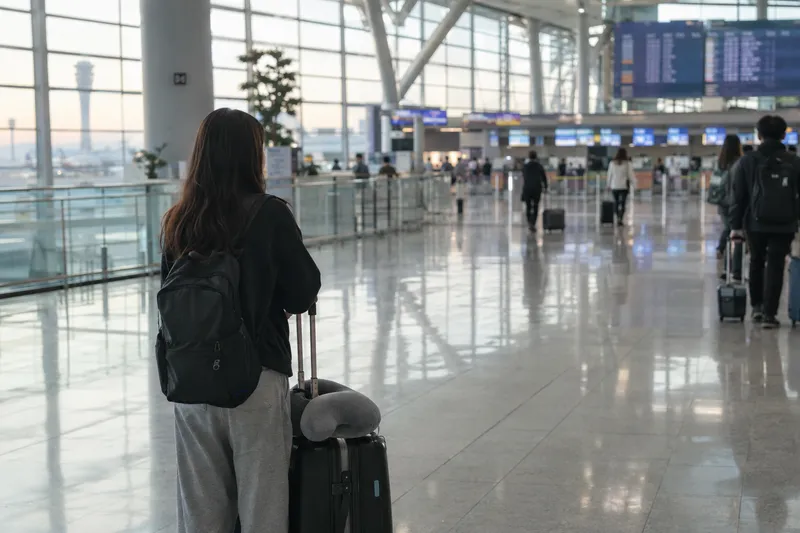
- Anyone travelling long-haul alone: add a day. The flight is the tiring part, not the surgery.
Flying itself is usually allowed once the surgeon clears you, and the cabin will feel dry. Drink water, use the saline spray the clinic gives you, and do not blow your nose.
What slows healing down
- Heat. Saunas, jjimjilbang, hot showers on the face and hot soup all push swelling back up. Our sauna after surgery guide covers when it is safe again.
- Salt and alcohol. Both hold water in the face during the exact week you are watching it.
- Bending and lifting. Blood pressure in the head is what starts a late bleed.
- Glasses. Frames on a healing bridge can push an implant. Contacts or taped frames until the surgeon says otherwise.
- Smoking. It restricts the small vessels the skin over your new nose depends on.
- Skipping follow-ups. The splint check is also where a surgeon catches a problem while it is still small.
Sun matters too. Fresh bruising darkens with UV exposure, so a cap and sunscreen for the walk to the clinic are not vanity.
What you will read on forums, and what changes it
Search rhinoplasty recovery korea reddit and you find two stories side by side: someone at a wedding on day ten, and someone still puffy at month four. Both can be true. The variables are the operation itself, whether bone was cut, your skin thickness, and how strictly the first week was handled.
Thick skin holds swelling longer and hides definition for months. Thin skin settles faster and shows every edge, which is why surgeons are cautious with implant height there. Ask which one you have at the consultation. It is the single best predictor of how patient you will need to be, and it is rarely mentioned unless somebody asks in Korean.
For the questions that come up most on those threads, our interpreters answered them in what people ask on forums about Korean plastic surgery.
Aftercare while you are still in Korea
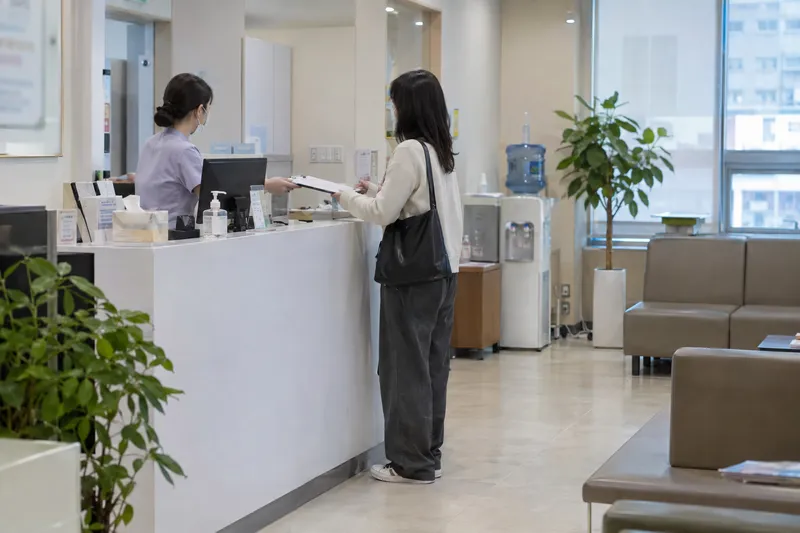
Most clinics include the in-Korea follow-ups in the surgery fee, and some add swelling-reduction care such as low-level laser or lymphatic massage. Ask whether those are included or charged per session before you accept them, which is also the theme of our rhinoplasty package guide.
Keep the clinic's Korean phone number, the medication list and the follow-up dates in one place. If something worries you after hours, message your interpreter first: she can describe the symptom to the clinic in Korean far faster than a translation app, and she knows which pharmacies near Gangnam are open late.