Sauna, soju and the flight home: the aftercare nobody translates for you
Written by KCODI medical interpreter team · English deskUpdated · 8 min read

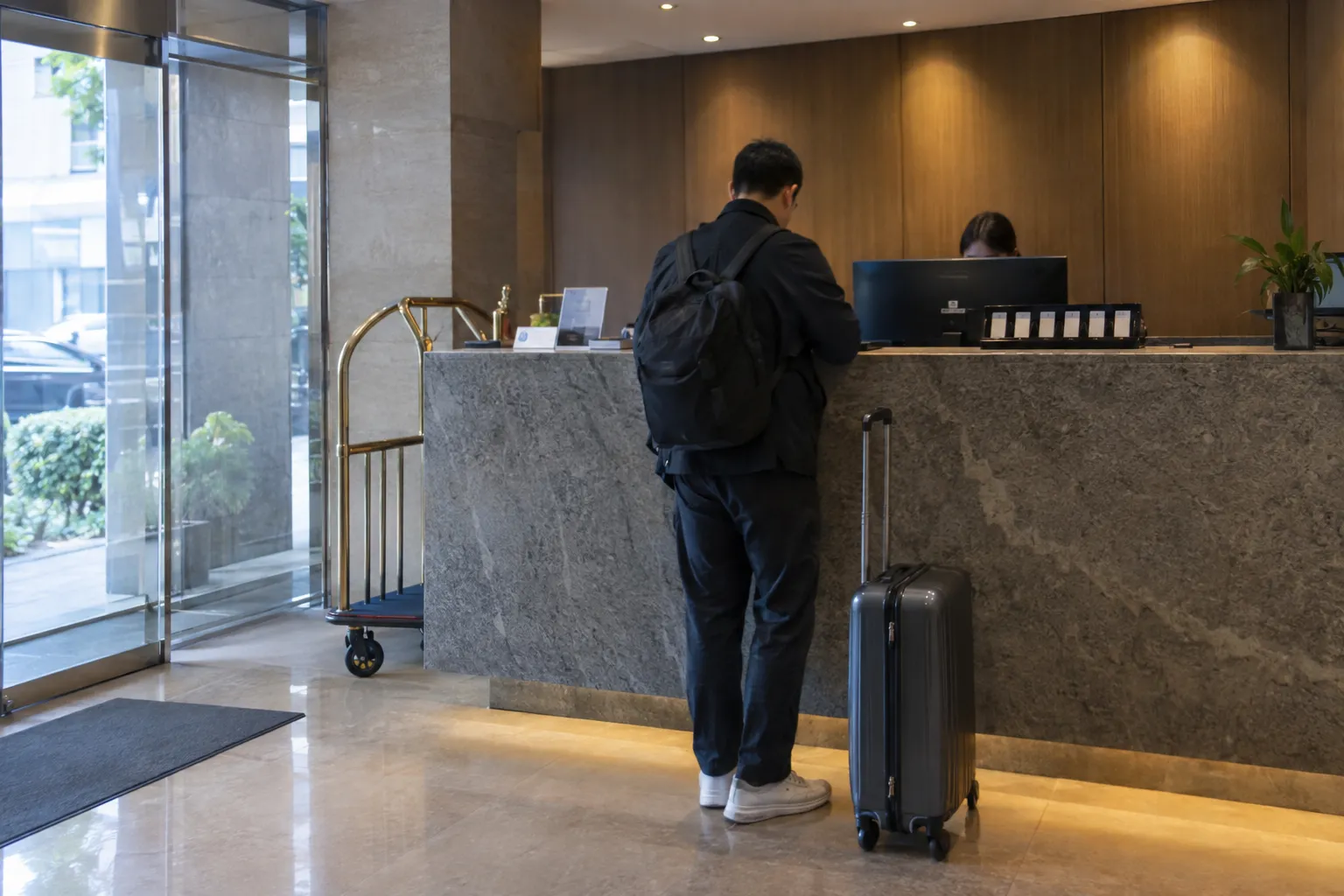
Whether you can sit in a sauna with stitches is the question interpreters get asked more than almost anything else, usually on day two, usually because someone has already booked the jjimjilbang. The short answer is no, and the reason is worth understanding, because the same reasoning covers most of the other questions a trip throws up.
Heat dilates blood vessels. Steam softens a healing wound. Public bathing puts an open wound into shared water. Each of those is a separate problem, and a sauna manages all three at once.
What follows is the practical list Korean clinics assume you already know, because their Korean patients do. Your surgeon's specific instructions always come first; this is what to ask about.
The heat question, answered properly
| Activity | The problem with it | Usual advice |
|---|---|---|
| Jjimjilbang, sauna, hot spring | Heat increases swelling and bleeding risk; shared water and an unhealed wound | Avoid until wounds are fully healed and your surgeon says yes |
| Hot shower over the site | Softens the wound, loosens dressings | Lukewarm, short, and follow the clinic's dressing rules |
| Alcohol | Increases bleeding and swelling, interacts with painkillers | Avoid in the early days; ask your surgeon how long |
| Massage, including the hotel spa | Pressure on healing tissue, and on fresh filler or threads | Not near a treated area without clearance |
| Hard exercise | Raises blood pressure, worsens swelling and bruising | Gentle walking early, real training later |
| Flying | Cabin pressure, dryness, long immobility after leg or body work | Ask for a date rather than assuming your ticket works |
The pattern is one rule wearing different clothes: anything that raises blood flow, softens a wound or introduces bacteria belongs after healing, not during it.
Timelines vary enormously by operation, which is why no article can give you a date. A small skin procedure and a jaw operation are not on the same calendar. Ask your surgeon for specific days rather than general advice, and ask for it written down before you leave the clinic.
Why you are more bruised than the person next to you
Bruising after surgery is uneven, unfair and mostly not about the surgeon. Two people can have the same operation from the same hands and look completely different on day three.
- Blood-thinning medicines and supplements, including fish oil, high-dose vitamin E, ginkgo and some herbal preparations. Disclose everything you take.
- Alcohol in the days before, which patients rarely think to mention.
- The area itself. Eyelids and lips bruise dramatically; they are thin and full of small vessels.
- Heat and exercise in the first days, which turns ordinary bruising into impressive bruising.
- Individual variation nobody controls, which is the honest answer a surgeon will give you.
Gravity is also real: facial bruising drifts downwards over days, so eye surgery colours the cheek and nose surgery colours the eyes. That is expected and it still frightens people at breakfast on day four.
Smoking belongs in this list as well, and it is the instruction most often quietly ignored. It narrows the small vessels that feed a healing wound, which matters most in exactly the operations people travel for. Surgeons ask about it because the answer changes how the skin heals, not to lecture you.
The Seoul-specific traps
- The jjimjilbang, which is on everyone's itinerary and is the single most common instruction to be broken.
- Korean drinking culture, where declining is awkward and a company dinner arrives on day two.
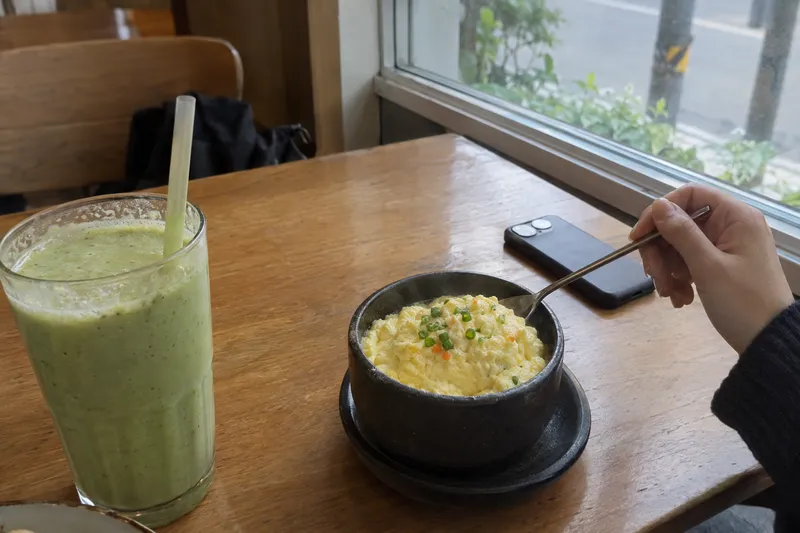
- Spicy food after dental or jaw work, which is harder to avoid here than anywhere else.
- Pharmacy counters, where something helpful-sounding gets handed over without anyone knowing what your surgeon prescribed.
- Sun on a fresh scar while sightseeing, which is how a good line turns into a dark one.
- Cheap late flights, booked before the surgery date was confirmed and then defended stubbornly.
Being handed medicine you cannot read is a genuine hazard, and a photograph of the packet sent to your interpreter solves it in a minute. Where to find what you need, and what the emergency routes are, is covered in Korea's 119 emergency number guide.
The other quiet trap is the pharmacy itself. Korean pharmacists are excellent and they are not looking at your operation notes, so anything they suggest sits on top of whatever your surgeon prescribed. Check before you swallow it, not afterwards.
Plan the trip around the recovery, not the other way round
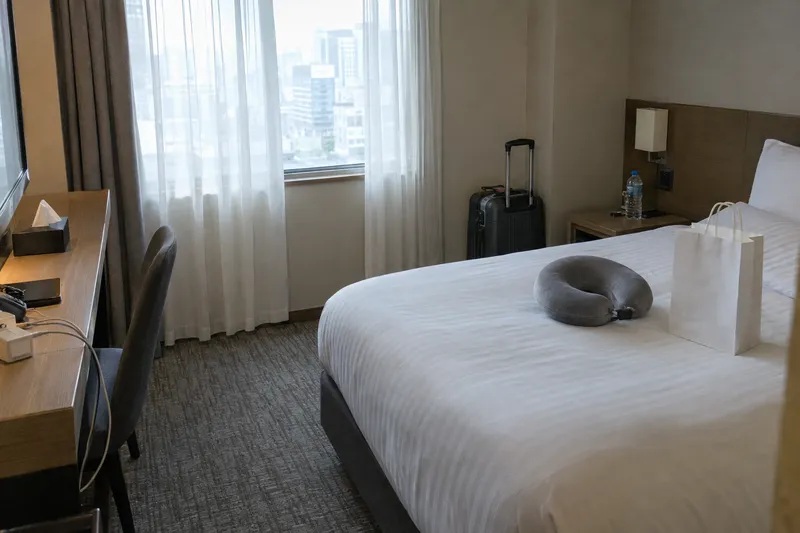
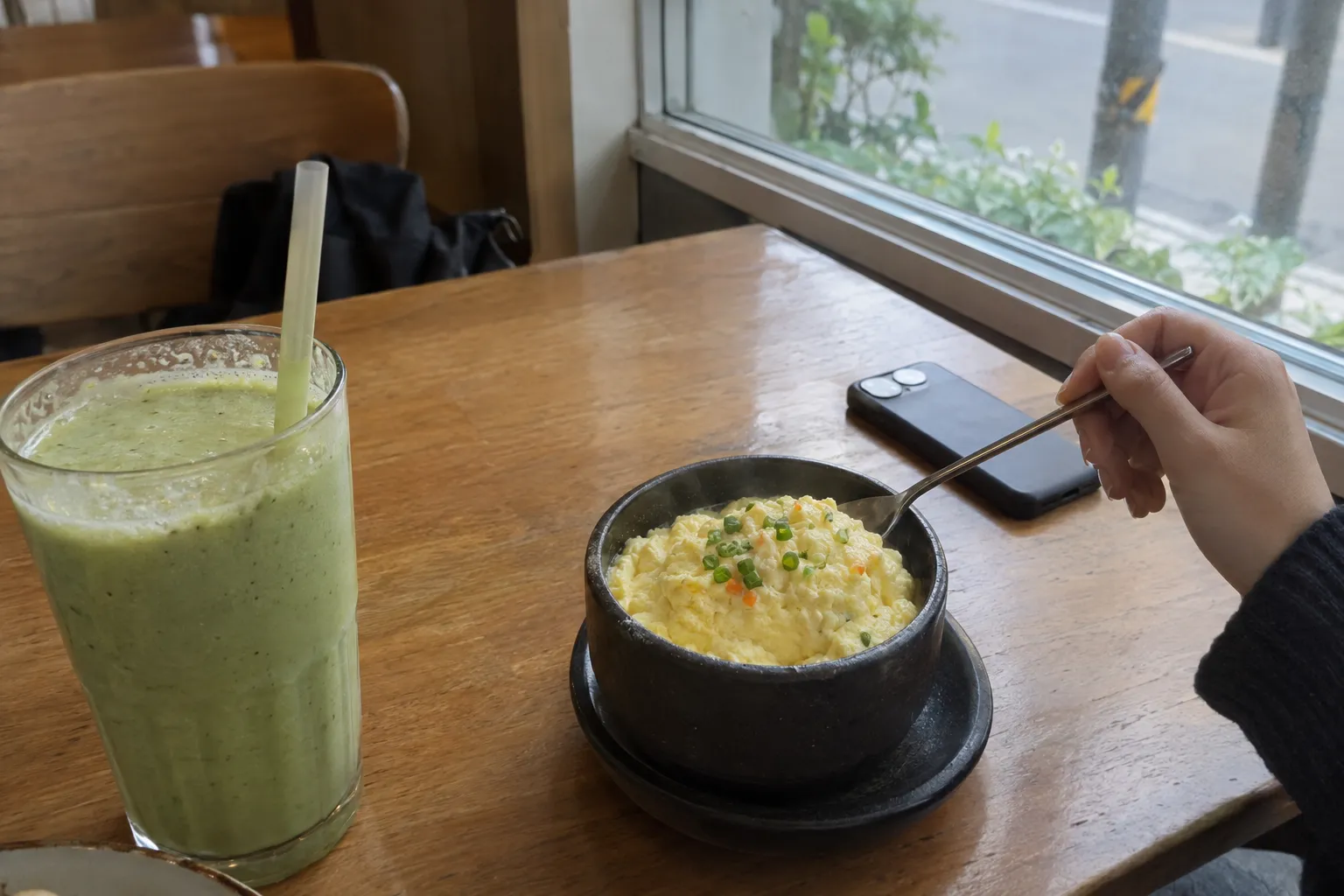
The single change that improves most trips: put the procedure early and the sightseeing late. Stitches out before you fly. Follow-up before you fly. The hot spring day after the wound has closed, or on the next trip.
Where you stay matters more than people expect. Near the clinic beats a nice view, because on day two you will not want a forty-minute subway ride, and because a room where you can sleep propped up does more for swelling than any cream. What a longer recovery actually involves is described in double jaw surgery recovery, and the wider foreigner-facing practicalities are in plastic surgery in Korea for foreigners.
Finally, get the aftercare instructions in your own language before you leave the clinic, not after. Ask for them in writing. That is the routine part of an interpreter's job and the part patients thank us for at day three, when the swelling peaks and nobody can remember what the surgeon said.
To plan dates around a real recovery window, use clinic matching, or meet the interpreters who would be with you on the day.