What a Korea rhinoplasty package actually covers, line by line
Written by KCODI medical interpreter team · English deskUpdated · 8 min read

The word package is doing a lot of work when you search for a korea rhinoplasty package. At some clinics it means surgery, anesthesia, medication and every follow-up visit in one written number. At others it means the surgery fee alone, with anesthesia, the night nurse, the nasal splint and the scar cream all added later.
Neither clinic is lying. Korean clinics itemise differently, and the English page you found was often written for a different market than the Korean price list at the front desk.
This guide lists what a package can contain, what it almost never contains, and the questions our interpreters ask in Korean before anyone pays a deposit. If you want the price range itself, it is on the Korean nose job page.
Three different things called a package
The first kind is a clinic package: one number from the clinic that bundles the surgical fee with the things the surgery needs anyway, such as anesthesia and the first dressing changes. This is the most common and the easiest to compare.
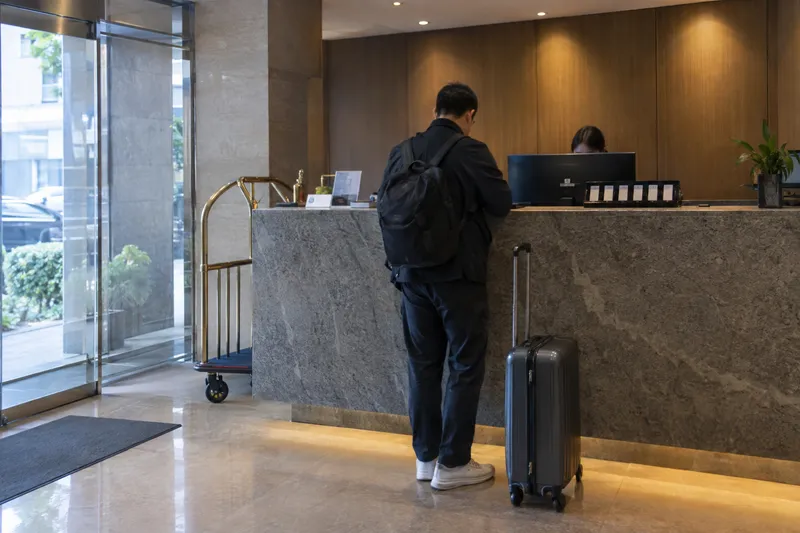
The second is an agency package, sold by a travel or medical-tour company. It adds a hotel, airport pickup, sometimes a translator, and a commission you cannot see. The clinic is paid its own fee out of that total.
The third is a promotional package aimed at short-stay visitors: a surgery plus a few skin treatments, or a nose plus eyes at a combined rate. A korean plastic surgery tour package on a foreign-language site is usually one of the last two.
The line items that decide whether a package is complete
| Line item | Often inside the package | Often billed separately |
|---|---|---|
| Surgeon's fee | Yes | — |
| Anesthesia | Sedation is usually included | General anesthesia and the anesthesiologist's fee |
| Implant or graft material | Silicone or a standard graft | Rib cartilage, donated cartilage, special implants |
| Operating room and nursing | Yes | Overnight monitoring |
| Splint, tapes, dressings | First set | Replacements |
| Medication | Post-op antibiotics and painkillers | Scar cream, swelling injections, IV drips |
| Follow-up visits | Stitch removal and splint removal | Visits after you fly home, revision consultations |
| Pre-op tests | Blood work and a chest x-ray | Extra cardiology checks if your history needs them |
| Hotel, pickup, interpreter | Only in agency packages | Usually separate |
Read that table against the quote you have. A package that excludes general anesthesia and the implant material can look far lower than a complete one, and end up higher by the time you fly home.
What is almost never included, anywhere
- Revision surgery. If you need a second operation later, it is quoted then. Ask what the clinic's own policy is and get the answer in writing.
- Complication care beyond the normal healing path. Clinics treat their own patients, but extended care, hospital transfer or emergency work is billed.
- Anything a different clinic does. Skin treatments at a partner dermatology clinic are a separate bill, even when the same consultant books them.
- Your flights, visa costs and travel insurance.
- Extra hotel nights when the surgeon asks you to stay longer. Swelling and a cast removal date do not respect a return ticket.
Since 2026, do not count on a tax refund either. The refund scheme foreign patients used for cosmetic procedures in Korea ended on 31 December 2025, so a quote that still mentions it is out of date.
Getting the quote in writing, before the deposit
A Korean clinic will write an itemised quote if you ask for one. Consultations run fast, the consultant speaks Korean, and the paper on the desk is Korean. That is where most visitors agree to a number they have not fully read.
- Ask for the quote itemised, not as one total.
- Ask which lines are optional and what happens if you decline them.
- Ask what the deposit is, whether it is refundable, and by when.
- Ask which follow-up visits are already paid for and which are not.
- Ask what a revision would cost and under what conditions the clinic performs one.
- Take a photo of the signed quote before you leave the desk.
Packages with hotel, pickup and aftercare attached
All inclusive plastic surgery korea listings usually bundle a recovery hotel, airport pickup and a set number of aftercare sessions. There is nothing wrong with that if the components are named and priced. The problem starts when the hotel is described as a partner hotel with no name, or when aftercare is counted as sessions without saying which machine or treatment.
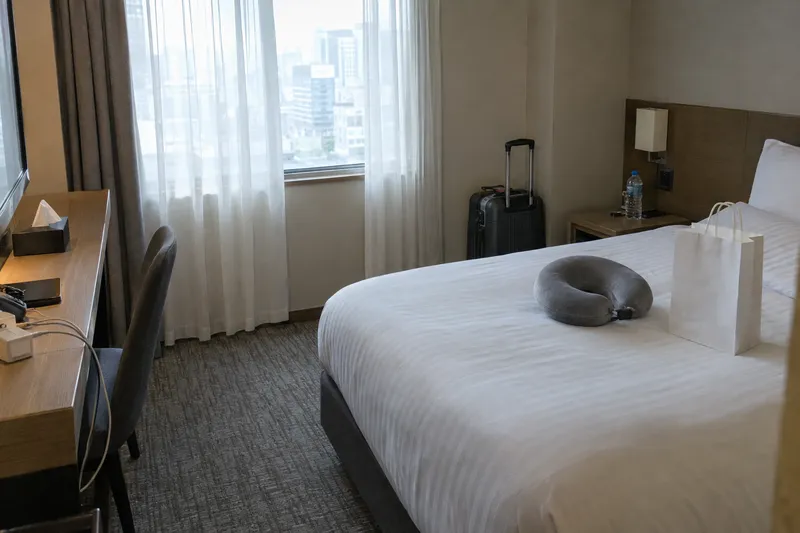
Rhinoplasty recovery does not need a five-star room. It needs a short taxi ride to the clinic, a lift, a fridge, and somewhere to buy soft food at midnight. Our guide to recovery time after Korean rhinoplasty explains what the first week actually asks of you, and how many nights the cast decides.
Comparing two packages fairly
Put both quotes side by side and rebuild them into the same shape before you judge the number. Add the missing lines to the cheaper one, then compare again.
- Same anesthesia type, quoted with the anesthesiologist's fee included.
- Same implant or graft material. A rib cartilage plan is a different operation from a silicone plan, as explained on our ideal Korean nose page.
- Same number of nights in Korea and the same number of clinic visits.
- Same follow-up coverage, including the visit that removes the splint.
- Both surgeons board certified, checked the way our clinic licence guide describes.
Then check the quiet things: how many follow-up visits are inside each quote, whether the deposit is refundable, and whether either clinic has asked for anything before an examination. A clinic that quotes a firm number for surgery it has not yet seen is quoting a menu, not your case.
If you are still deciding between procedures rather than clinics, the two-minute treatment matching narrows it down, and you can meet the interpreters who cover plastic surgery consultations before you commit to anything.