Reading a Korean clinic quote: won, conversion and what you actually pay
Written by KCODI medical interpreter team · English deskUpdated · 7 min read

Korean plastic surgery cost in won is the only number that exists at the clinic. Everything you saw before you flew, whether it was converted to dollars, pounds or rupees, was somebody's estimate of a figure that gets written on a Korean form during your consultation.
That form is short, fast and rarely translated line by line. Our interpreters read it out loud for a living, so this guide is the structure of the document itself: what each line means, which ones change, and how the money moves.
No amounts appear here on purpose. Estimated ranges live on the procedure pages, such as liposuction in Korea, where they are shown as a range and marked as an estimate.
What a Korean quote looks like on paper
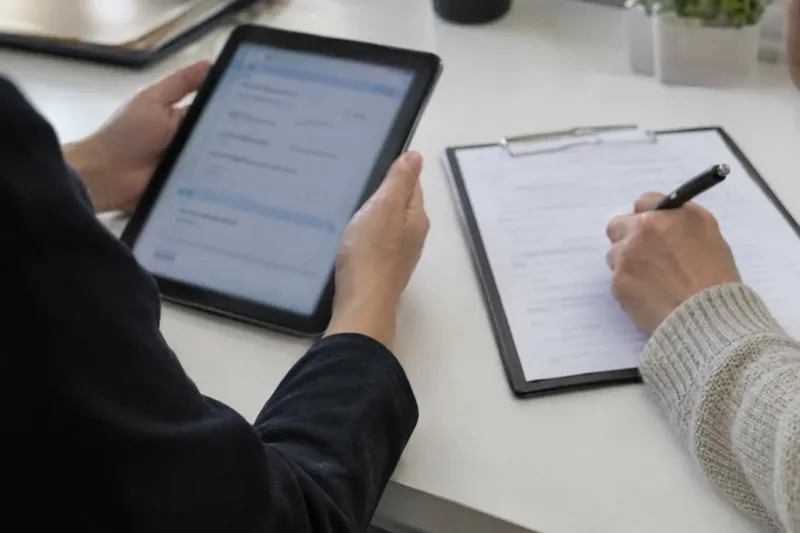
Most clinics produce a single sheet or a tablet screen with the procedure name, the surgeon, a list of fees, a subtotal, and a deposit line. It is a commercial quote, not a bill, and it is valid for a stated period.
| Line | What it covers | Question to ask |
|---|---|---|
| 수술비 surgery fee | The surgeon's work | Which surgeon, and is it the one who consulted me |
| 마취비 anesthesia | Sedation or general, sometimes the anesthesiologist separately | Which type, and is the doctor's fee included |
| 재료비 materials | Implants, grafts, threads, sutures | Which brand or material, and what changes it |
| 검사비 pre-op tests | Blood work, ECG, chest x-ray | Included or billed, and can I use results from home |
| 약제비 medication | Antibiotics, painkillers, ointments | How many days, and what is optional |
| 사후관리 aftercare | Swelling care, laser, dressings | How many sessions, and are they already paid |
| 부가세 VAT | Value added tax on cosmetic procedures | Is the total shown with or without it |
| 예약금 deposit | What holds your surgery date | How much, refundable until when |
The VAT line matters for foreign patients now, because the refund scheme that used to apply to cosmetic procedures in Korea ended on 31 December 2025. Anything promising a tax refund is out of date.
Why the converted number you saw online was wrong
People search rhinoplasty korea cost aud, korean liposuction cost uk or korean plastic surgery cost in indian rupees because they want a figure they can feel. Three things break those conversions.
- The exchange rate moved since the page was written, and most blog conversions are never updated.
- The original figure was often a first-visit event price or a package, not the price for your case.
- Card settlement happens at your bank's rate on the day, plus any foreign transaction fee, so even a correct conversion is approximate.
Work the other way round. Get the won figure for your case in writing, then convert it yourself on the day with your own bank's rate. That is the only conversion that will match your statement.
How clinics take payment
- A deposit to hold the date, often by bank transfer or card, sometimes weeks before you fly.
- The balance on the day of surgery or at the consultation, by card or cash.
- Extras billed afterwards, such as additional aftercare sessions or a longer medication course.
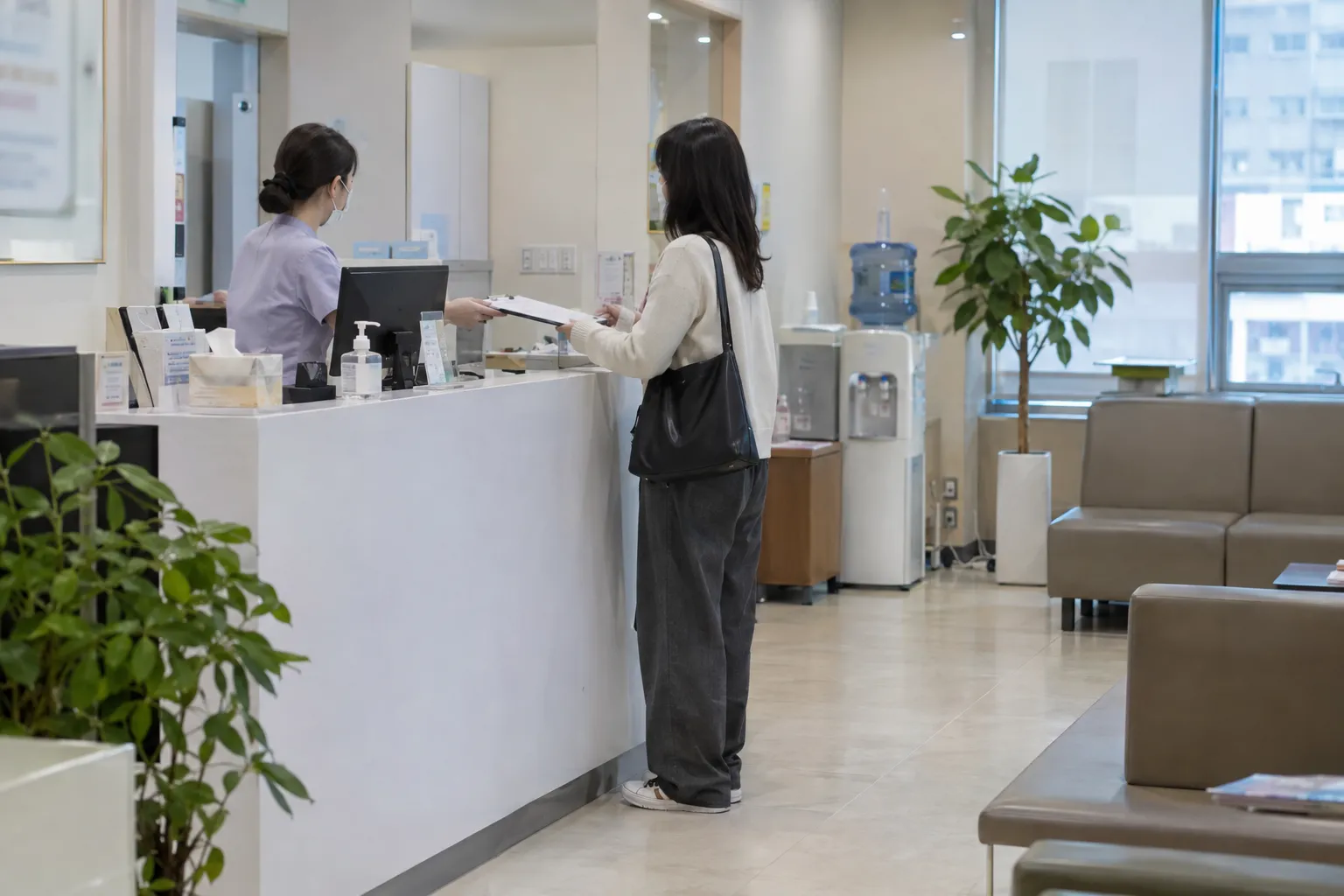
Practical warnings our interpreters give every week: check your card's daily limit before you travel, because a surgical fee can exceed it; tell your bank you will be in Korea; and pay the clinic, at the clinic, into an account whose name matches the clinic's.
Deposits, refunds and changing your mind
Refund policies are set by each clinic and written into the consent and booking documents. Some refund a deposit up to a certain number of days before surgery, some convert it to credit, some do not refund once theatre time is blocked.
Ask for the policy before you pay, ask for it in writing, and photograph it. If you later need to change the date because of a flight, an illness or a surgeon's recommendation, you will be negotiating against that document, in Korean.
If a dispute cannot be resolved with the clinic, the Korea Medical Dispute Mediation and Arbitration Agency handles medical disputes, and the Medical Korea Support Center on +82-1577-7129 can point international patients to the right office.
Receipts, records and what to keep
Korean clinics issue a receipt for every payment and a medical certificate on request. Both are worth collecting even if you think you will never need them, because reconstructing a Korean paper trail from another country months later is slow.
- The signed, itemised quote, photographed on the day you agreed it.
- The receipt for the deposit and the receipt for the balance, with the clinic's name on both.
- The consent form, which names the product, implant or dose used.
- The implant or device card, if one applies to your procedure.
- A medical certificate or treatment summary in English if your insurer or your doctor at home will ask.
- The clinic's Korean phone number and the name of the coordinator who handled your case.
One practical note about insurance: cosmetic procedures are generally not covered, and travel policies often exclude treatment you travelled for. Read your own policy before you assume anything, and do not rely on a clinic to tell you what your insurer will accept.
If you claim anything later, the documents your insurer wants are the itemised quote, the receipt and the treatment summary, in that order. Your interpreter can request all three in one conversation at the desk on the day you finish treatment, which is far easier than by email afterwards.
What actually moves the number
Once the currency noise is stripped out, the drivers are the same ones the surgeon talks about: how long the operation takes, what material goes in, whether it is a first operation or a revision, and which surgeon does it. Our guide to how much plastic surgery costs in Korea covers those drivers in detail, and what a package includes covers the lines that get added afterwards.
If you are still choosing between treatments rather than clinics, treatment matching narrows it down in about two minutes, and you can meet the interpreters who read these quotes every day.