Stomach screening in Korea: why it is a camera, and what the morning is like
Written by KCODI medical interpreter team · English deskUpdated · 8 min read

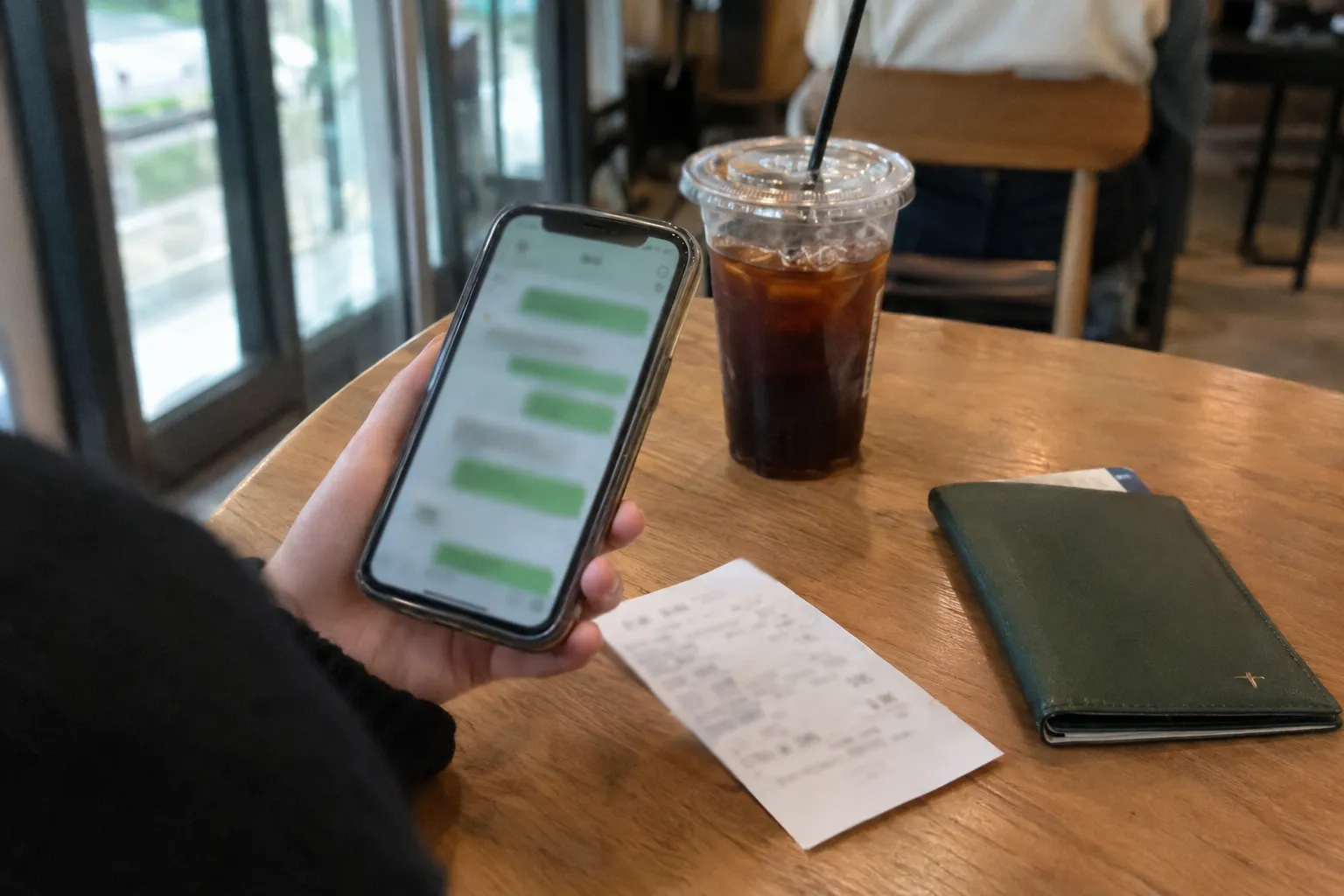
Korea gastric cancer screening is not a blood marker or a scan. It is an upper endoscopy: a thin camera down the throat, looking at the lining of the stomach directly, with a biopsy taken on the spot if anything looks unusual.
That is unusual by international standards, and it is deliberate. Stomach cancer has long been among the most commonly diagnosed cancers in Korea, and the national programme invites residents for a stomach check every two years from their forties.
For a visitor, the medicine is the easy part. The awkward parts are the fasting, the sedation consent form, and getting a biopsy result explained to you after you have flown home. This is how our interpreters walk people through it.
Why Korea looks instead of testing
Screening programmes are built around what a population actually gets. Korea's national programme was designed around a cancer that is common here and that is treatable when it is caught early and unpleasant when it is not.
That is why endoscopy is routine rather than exceptional. Korean adults in their forties are used to the idea of an annual or biennial camera, the way people elsewhere are used to a dental check. Clinic staff do dozens a morning, which is also why the appointment runs like a production line.
| Test | What it finds | Biopsy possible |
|---|---|---|
| Upper endoscopy (gastroscopy) | Ulcers, inflammation, early mucosal changes, tumours | Yes, during the same procedure |
| Barium upper GI series | Larger structural changes and outlines | No |
| Helicobacter pylori test | A bacterial infection linked to stomach disease | Not a cancer test |
| Blood tumour markers | Limited value alone as a screening test | No |
A stomach camera is usually sold inside a wider package. What else sits in one is on our cancer screening page, and the general half-day version is on comprehensive checkup.
The morning, hour by hour
- The night before: nothing to eat after the time the clinic gives you, usually from the evening. Water rules are specific, so ask rather than assume. Tell the clinic about blood thinners and diabetes medication days in advance, not on the morning.
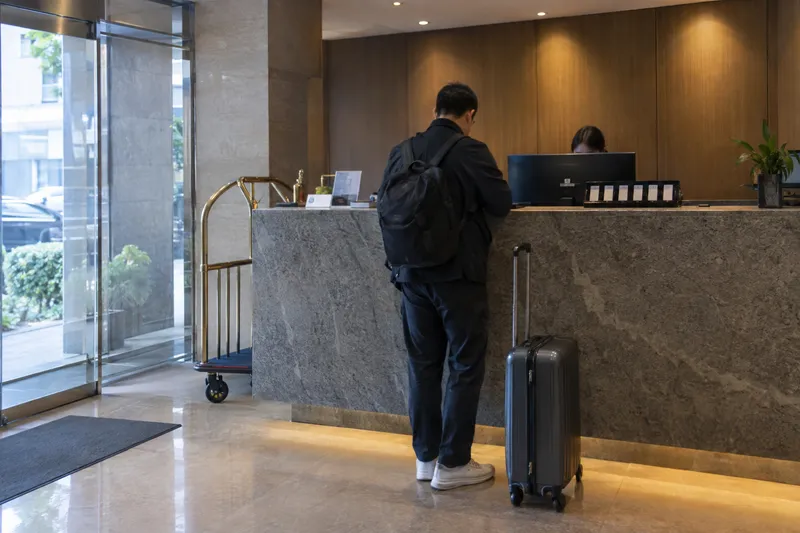
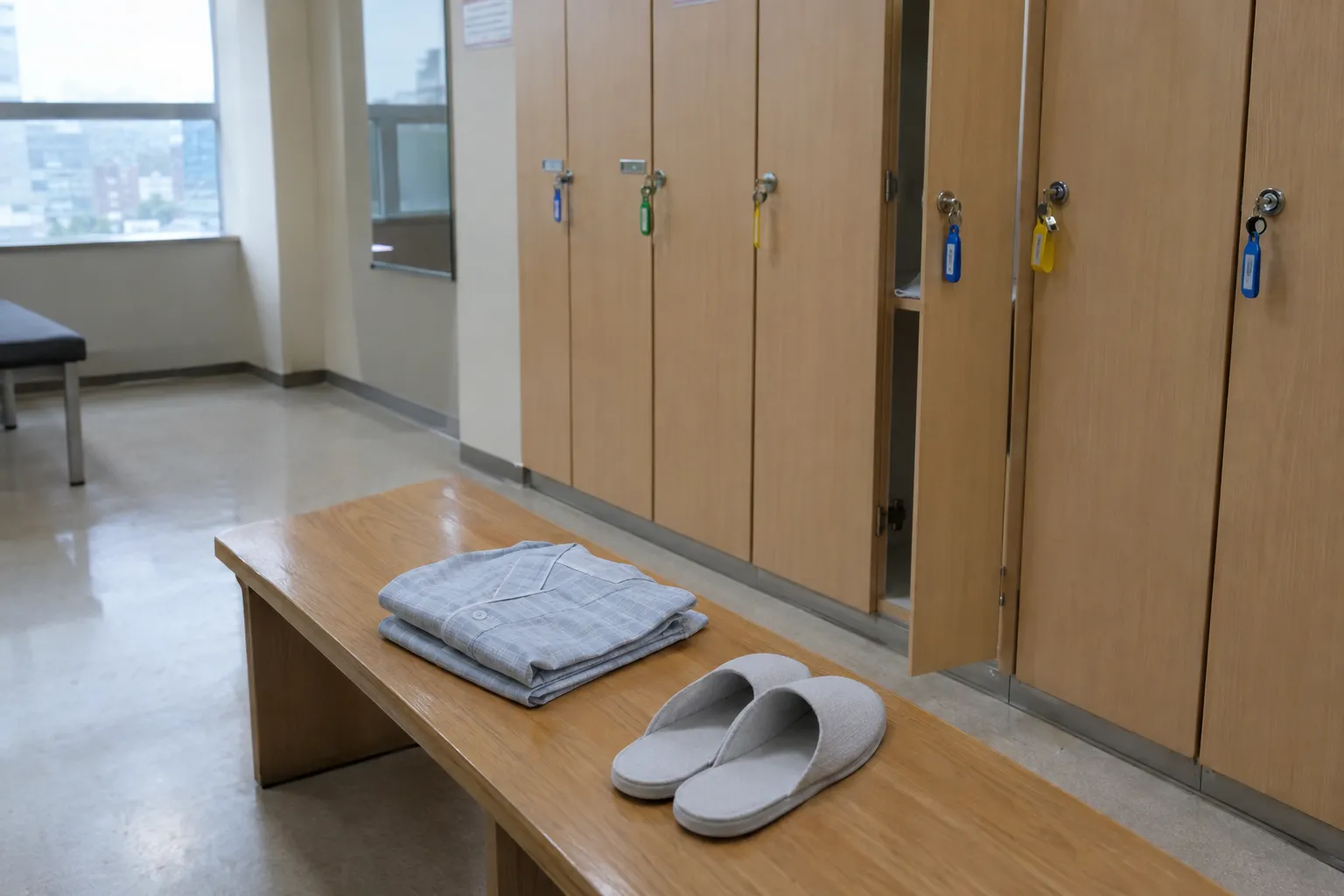
- Arrival: passport, registration, a locker and a gown. Screening centres run on a tight schedule and being late can cost you the slot.
- The consent form: sedation, the biopsy, and what happens if a polyp is found. This is the document worth reading properly.
- The procedure: a throat spray, a mouthguard, and a few minutes of camera work. Sedated patients usually remember very little.
- Recovery: thirty minutes to an hour in a chair or bed if you were sedated. You cannot drive, and you should not travel alone straight afterwards.
- The same-day talk: the doctor describes what was seen. If a biopsy was taken, the tissue result comes later.
The part that catches visitors out: the biopsy result
What the doctor sees is discussed that day. What a pathologist sees under a microscope takes longer, commonly around a week, and Korean clinics normally expect you to come back for it.
- Ask on the day how the result will reach you if you have flown home, and get that answer in writing.
- Ask for the report in English, and ask whether they can release the images and the pathology report as files.
- Ask whether a video consultation is possible for the explanation, and who joins it from the clinic.
- Keep your interpreter's contact. An abnormal-looking line in a Korean report is frightening in machine translation and often means something routine.
- If anything needs follow-up, ask what a doctor at home would need in order to continue.
This is the single most common reason a visitor ends up with an unexplained result in an inbox. Sort the handover out before the endoscopy, not after it.
Who should consider one, and who can skip it
Screening guidelines are written for populations, not for individuals, and your own doctor decides. That said, these are the patterns that come up in Korean consultations.
- A family history of stomach cancer, particularly a parent or sibling, moves the conversation forward by years.
- A known Helicobacter pylori infection, treated or untreated, is a reason to ask.
- Long-running indigestion, reflux, unexplained anaemia or weight loss is a reason to see a doctor, not a reason to screen. Those are symptoms, and they need a diagnosis.
- People from countries where stomach cancer is uncommon may be offered fewer such tests at home. That difference is about population risk, not about quality of care.
- Under forty with no symptoms and no family history: ask the doctor whether it adds anything for you this year.
Booking as a visitor
A gastroscopy in Seoul is available at hospital screening centres and at dedicated clinics. Hospitals bring a full department behind the result. Dedicated centres are faster, more comfortable and tend to be better organised for visitors.
- Book early in your trip, not the day before the flight, so there is room for a follow-up.
- Bring your passport, and bring the names of your regular medications in their generic form.
- Do not book an endoscopy on a day you also have another procedure with fasting rules.
- If you want a colonoscopy too, it is usually combined in one sedation session, with a day of bowel preparation beforehand.
The difference between a hospital and a clinic is explained in Korean hospital vs clinic, and what the national programme covers is in the Korean national cancer screening programme. To have a partner centre quote your package, start at clinic matching or see the health checkup menu.
What a finding actually means
Most endoscopies find something to write down. Gastritis, a small polyp, a healed ulcer scar. Almost all of it is ordinary, and the report language is blunt because it is written for another doctor.
If the pathology does come back needing treatment, Korea is a reasonable place to be holding that piece of paper. Early gastric lesions are often removed endoscopically rather than surgically, and the screening centre can refer you into a hospital department quickly.
Do not make a treatment decision on a translated line of a report. Ask for the full explanation with your interpreter present, and take a second opinion if the plan is major. Meet the interpreters who cover checkups if you want to know who would be with you.