Korean facial near me: how to vet a local one, and what the Seoul clinic version really is
Written by KCODI medical interpreter team · English deskUpdated · 7 min read

You typed Korean facial near me because you have seen the skin. The glassy, even, rested look on every Korean actor and half of your feed. You want the treatment behind it, and you would like it within driving distance.
Our interpreters spend their working days inside Seoul skin clinics, so here is the honest picture. There is no single treatment called a Korean facial. In Seoul the word covers a clinic routine that locals repeat every few weeks, usually alongside treatments a doctor performs. A spa in Houston, London or Vancouver can copy parts of it well. Some copy only the name.
This guide does two things. It helps you judge a Korean beauty facial close to home. And if Korea is on your travel list, it shows what the original looks like and how to book it the way locals do.
What a Korean facial means in Seoul
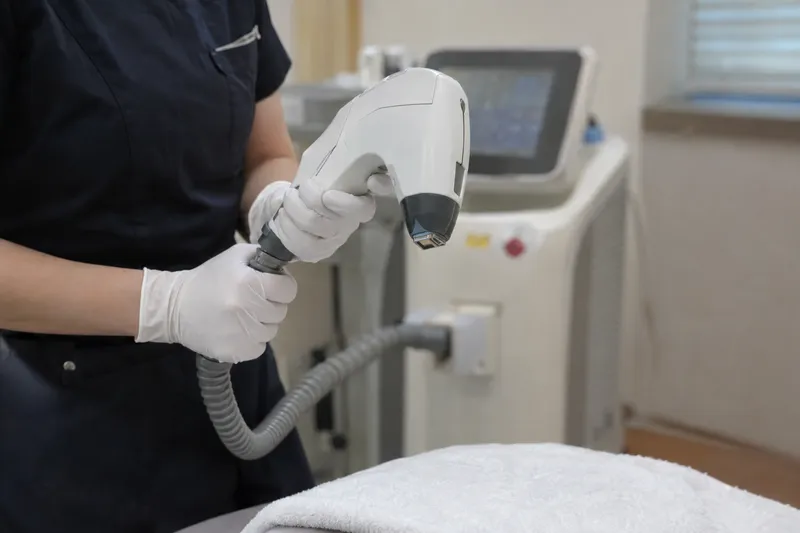
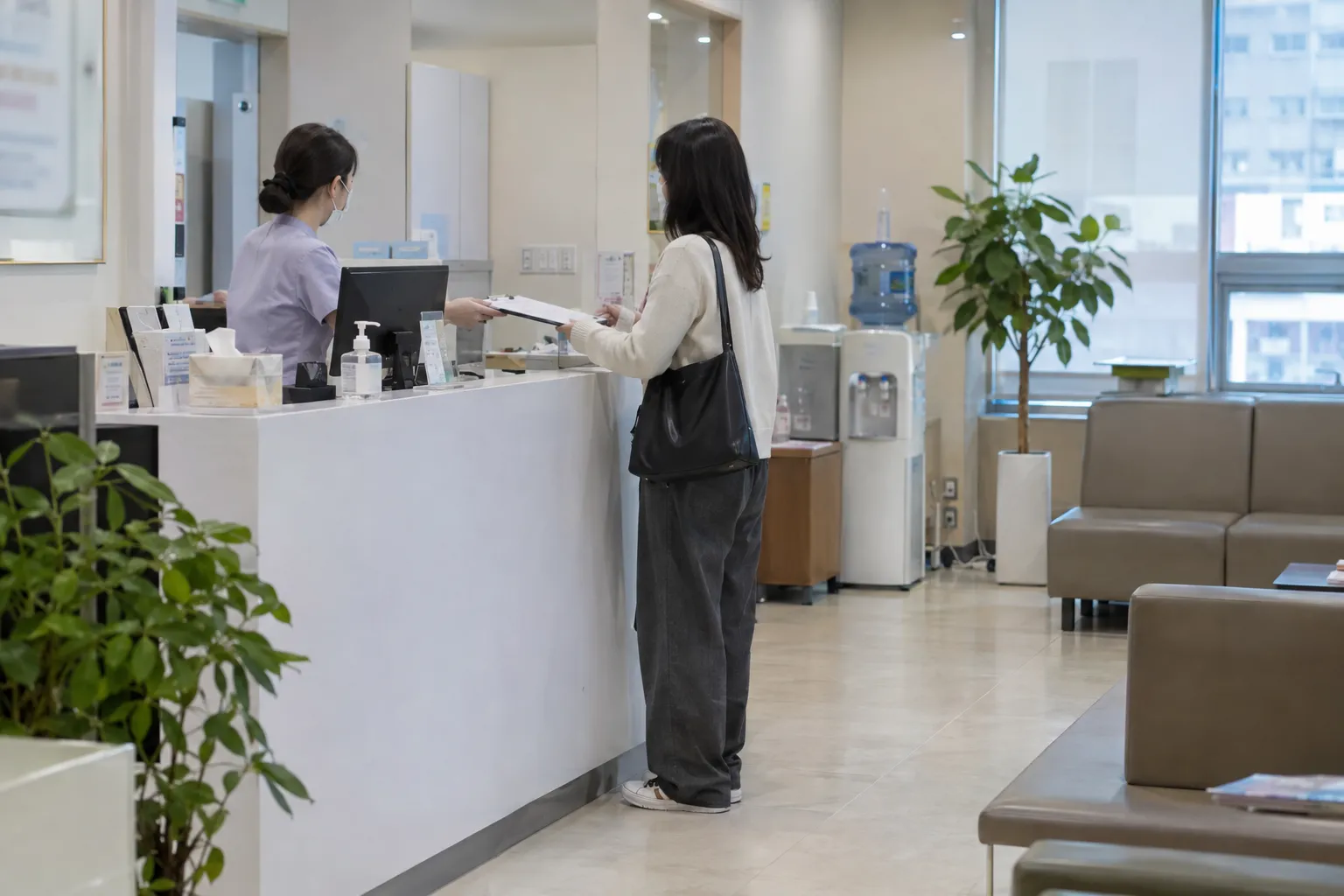
In Seoul, most facials happen inside a dermatology clinic, not a day spa. Koreans call it skin management. You lie down for fifty to seventy minutes while a trained aesthetician works through a fixed routine: double cleanse, an aqua peel device that loosens dead skin and sebum with water and suction, careful extraction, a serum or ampoule step, LED light, and a cooling modelling mask. A doctor is on site, and the same clinic does lasers and injectables down the corridor.
That setting explains the results you have noticed. The facial keeps skin clean and hydrated. The even tone, small pores and bounce usually come from what is layered on top over months: gentle laser toning, skin boosters, sunscreen every single day. When a Korean friend says she is going for a facial, she often means all of it.
So a Korean face treatment is less a secret technique than a habit: short, frequent, medical-adjacent, and priced so that locals can keep it up. You can see what one session includes on our Korean facial page.
A Korean facial near you vs a clinic facial in Seoul
| Korean-style facial at a local spa | Clinic facial in Seoul | |
|---|---|---|
| Where | Day spa or beauty studio | Dermatology or skin clinic with a doctor on site |
| Who does it | Licensed aesthetician | Clinic aesthetician, with the doctor available for a skin check |
| Core steps | Cleansing, exfoliation, massage, sheet or rubber mask, K-beauty products | Aqua peel device, extraction, ampoule infusion, LED, modelling mask |
| Pace | Slow and relaxing, often with a long massage | Efficient. Little massage, more devices |
| Can add medical treatments | No. Lasers and injectables need a medical provider | Yes, the same day if the doctor agrees |
| How it is priced | Per session, at local spa rates | Per session at the local rate, with first-visit and member pricing on Korean-language menus |
Neither column is wrong. If what you want is an hour of calm and good products, a well-run spa near you delivers that. If what you want is the clinic routine Koreans actually follow, it helps to know that it is a medical setting, and that is hard to reproduce outside one.
How to vet Korean skin care near you
Most people searching for Korean skin care near me will book locally, and that is fine. These are the questions our team would ask before handing over a face.
- Ask what makes it Korean. A good answer names steps and devices, for example an aqua peel or a modelling mask. A weak answer names only product brands.
- Ask who performs it and what licence they hold. Aesthetician licensing rules differ by state, province and country.
- Ask how extraction is done. Aggressive squeezing causes marks that last longer than the glow.
- If the menu lists microneedling, BB glow, strong peels or anything with a needle, ask who supervises. In many places those belong in a medical office.
- Tell them about retinoids, acne medication, recent peels or laser. A careful provider adjusts. A careless one does not ask.
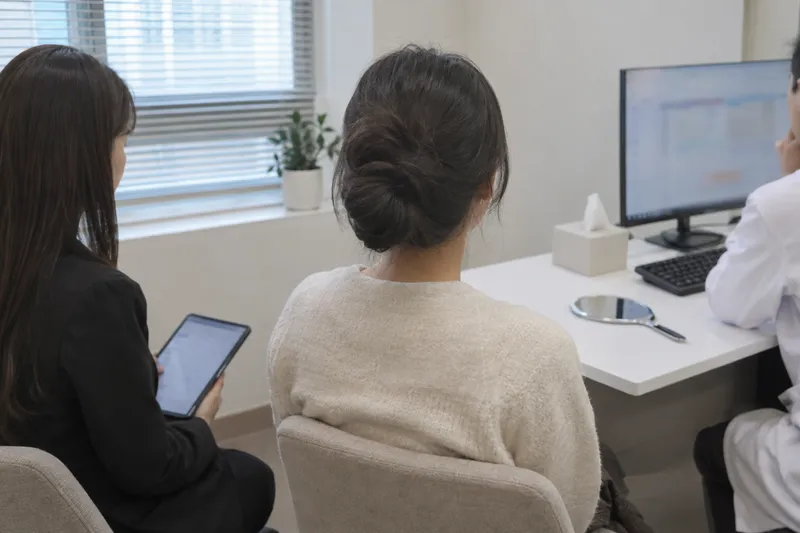
- Look for a skin check before the treatment, even a short one. One routine for every face is a sales menu, not skin care.
A search for a Korean skin clinic near me or a Korean dermatology clinic near me is a different request. Those words imply a doctor. Outside Korea, a business can use the word Korean freely, so check that a licensed physician actually works there before you book anything beyond a facial.
If Seoul is on your itinerary: the original, booked like a local
A facial is the easiest treatment to fit into a Korea trip. There is no anesthesia and no downtime, and it is a kind thing to do for your skin after a long-haul flight. Many visitors book it for the afternoon they land, then use the skin check that comes with it to decide whether anything else is worth doing.
What Koreans add when a facial is not enough
A facial cleans and hydrates. It does not remove sun spots, fill acne scars or tighten a jawline. If the clinic's skin check finds one of those, the doctor may suggest a next step, and you are free to say no.
- Dull, dehydrated or finely lined skin: a skin booster such as Rejuran. Expect small bumps for a day or two.
- Freckles, sun spots or melasma: pigmentation laser, after the doctor has named which kind of pigment you have.
- Pores and early sagging: an energy device, compared on our laser lifting page.
- Not sure where to start: read Korean skin treatments compared, which sorts them by downtime and by how many visits they need.
The order matters. Treatments with downtime go early in the trip, and a soothing facial often goes near the end. The doctor sets the sequence. Your interpreter makes sure it fits your flight.
Planning it: time, place and who comes with you
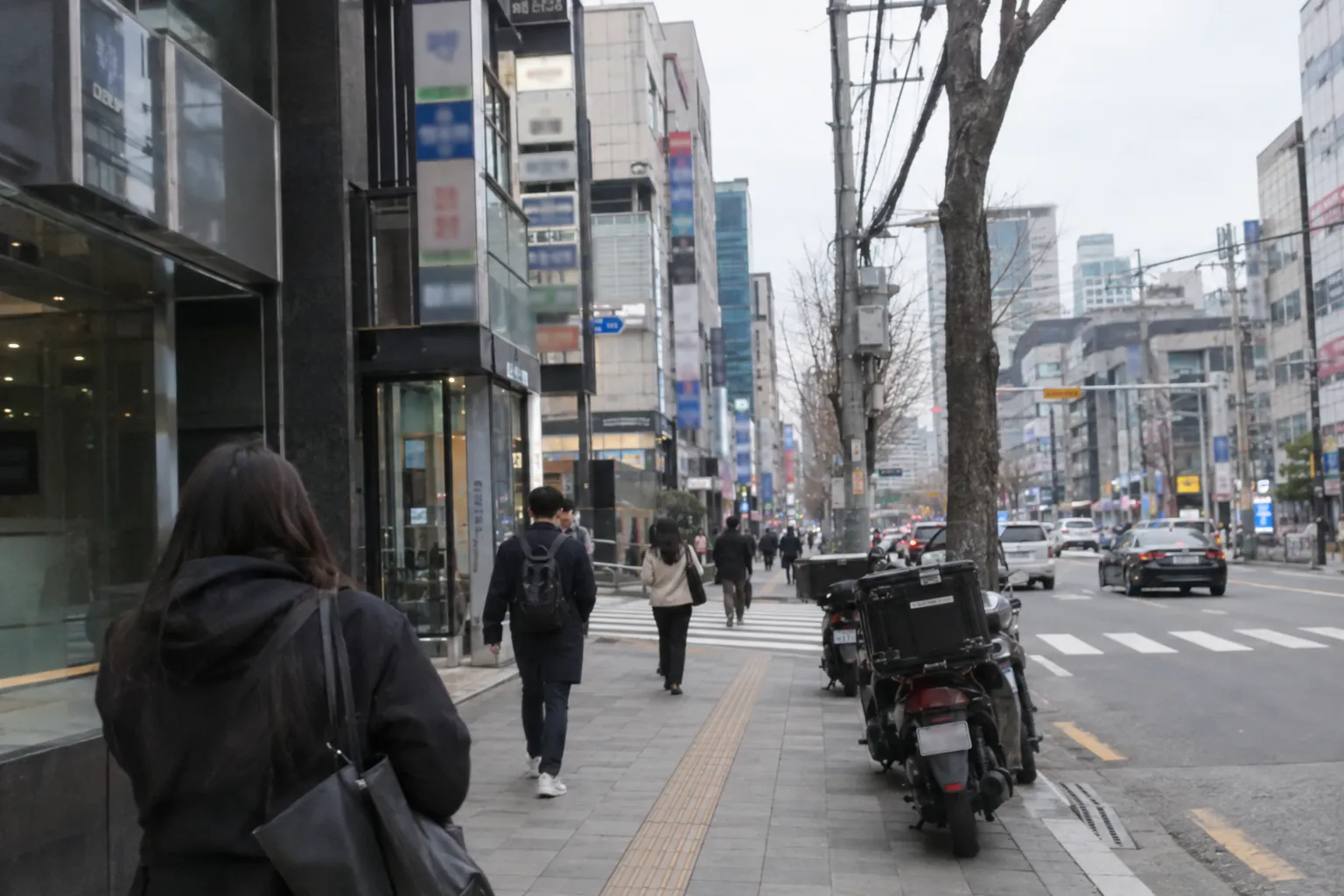
Most skin clinics that welcome visitors cluster in Gangnam, Sinsa and Myeongdong, a short subway ride from the main hotel areas. Allow ninety minutes door to door for a facial, including the form, the locker and the skin check. Bring your passport, arrive with little or no make-up, and keep the evening free of saunas.
If you want help choosing where to go, our guide to the best skin clinic in Seoul for foreigners explains how to read a clinic sign and a quote. You can also let clinic matching shortlist for you in two minutes, browse every treatment on the Korean skin clinic page, or meet the interpreters who cover dermatology.