Korean skin treatments, sorted by the one thing that decides your trip: downtime
Written by KCODI medical interpreter team · English deskUpdated · 9 min read

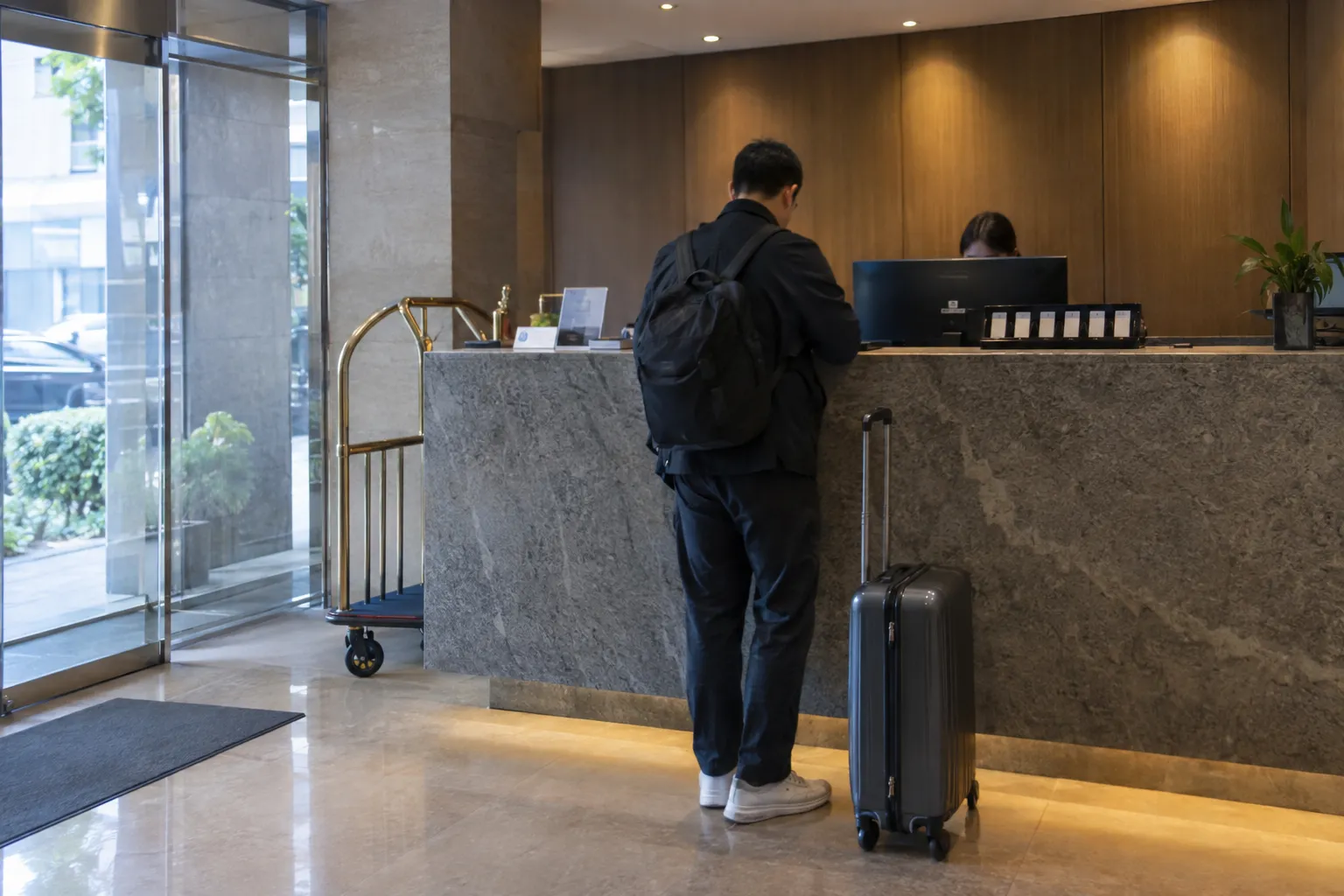
Most people who search for Korean skin treatments are not looking for a definition. They have a trip of four or five days, a face that bothers them in photographs, and a clinic menu with forty line items that all sound similar.
Interpreters sit through this conversation every week. The consultant reads out names, the patient nods, and nobody says the thing that actually decides the trip: how many days you will look treated, and how many visits the plan needs before it does anything.
So this guide sorts treatments that way. Not by what is trendy in Seoul, but by downtime, by visit count, and by the problem each one is genuinely for.
Three jobs, not forty treatments
Almost everything on a Seoul skin menu is doing one of three jobs. Once you know which job you need, the menu shrinks.
- Surface and glow: cleaning, exfoliating, hydrating. Facials, peels, light toning lasers. Nothing structural changes. You look better in days, not weeks.
- Repair and texture: pigment, acne scars, pores, thin or crepey skin. Pigment lasers, microneedling with radiofrequency, skin boosters. This is the slow category: a course of sessions, weeks apart.
- Lift and volume: sagging and lost fullness. Ultrasound and radiofrequency lifting devices, threads, fillers. One session can do something visible, and the cost per session is the highest of the three.
The mistake we watch happen is buying from the first group and expecting the second. A brightening facial the day before a wedding is a good idea. A brightening facial for melasma is a month of hope followed by the same face.
Korean skin treatments compared by downtime and visits
| Treatment | What it is for | How you look after | Visits for a result |
|---|---|---|---|
| Korean facial | Surface, hydration, a same-week glow | Slight flush for a few hours | One is enough |
| Pigment laser | Freckles, sun spots, melasma | Redness, then small dark crusts for days | A course, weeks apart |
| Skin boosters / PDRN | Dryness, fine lines, dull texture | Small bumps and pinpoint marks for a day or two | Usually three or more |
| Microneedling with RF | Acne scars, pores, texture | Red and swollen for two to four days | A course, weeks apart |
| Ultrasound or RF lifting | Mild sagging along the jaw and cheek | Mostly nothing visible | One, with the effect building |
| Thread lift | Sagging that lifting devices no longer hold | Swelling and tightness for a few days | One |
| Filler | Hollow areas, contour | Swelling and possible bruising for days | One |
Read that fourth column before the price column. A treatment that needs three sessions six weeks apart cannot be finished on one trip, and no clinic will say so unless you ask directly. You can still start it in Seoul and continue at home, but you should decide that on purpose rather than discover it at the front desk.
Details for each one sit on the treatment pages: Korean facial, pigmentation laser, Rejuran and skin boosters, acne scar treatment, laser lifting and thread lift.
What Korean BB glow treatment actually is
BB glow arrives in the search results next to lasers and facials, and it is not the same kind of thing. It is a microneedling treatment in which a tinted serum is worked into the upper layer of the skin, so the skin looks evened out, like a very light foundation that stays for weeks.
Microneedling itself is ordinary dermatology. What makes BB glow different is the pigment that goes in with it. That is closer to a cosmetic tattoo than to a facial, and it raises questions a brightening treatment does not: what exactly is the pigment, what happens as it fades, and what can be done if you dislike the colour.
If what you actually want is the even, lit-from-inside look, a dermatologist will usually steer you towards treating the cause: pigment with a laser, redness with a vascular setting, texture with microneedling without added colour. Slower, and it does not wash out.
Matching the treatment to your problem
Bring the problem, not the product name. Consultants answer product questions with product answers. Doctors answer problem questions with a diagnosis.
- Say what bothers you in plain words: brown patches, red marks left by old spots, dents, dullness, sagging along the jaw.
- Ask which of those the doctor can change on this trip, and which needs a course.
- Ask what the treatment is called in Korean and which device or product is used, then have it written on the quote.
- Ask what you will look like on day one, day three and day seven, because that is what decides whether you can fly or meet people.
- Ask what happens to your skin if you stop after one session. For some treatments the answer is a partial result. For others it is nothing at all.
What moves the price of a skin treatment in Korea
People searching for a Korean skin treatment price are usually comparing two numbers that are not the same number. The figures on our treatment pages are ranges for the Seoul market, and the spread inside each range comes from a few predictable things.
- How much is being done. Lasers and lifting devices are sold by shot or pulse count. Half the shots is half the price and roughly half the effect.
- Which device or product. Clinics stock several machines that do similar work at very different prices, and the event price on the app is usually attached to the cheaper one.
- Whether it is an event price. Event prices are real, and they usually cover a smaller quantity or a first visit only. Ask what the regular price is.
- Area size. A price quoted per area does not mean the whole face.
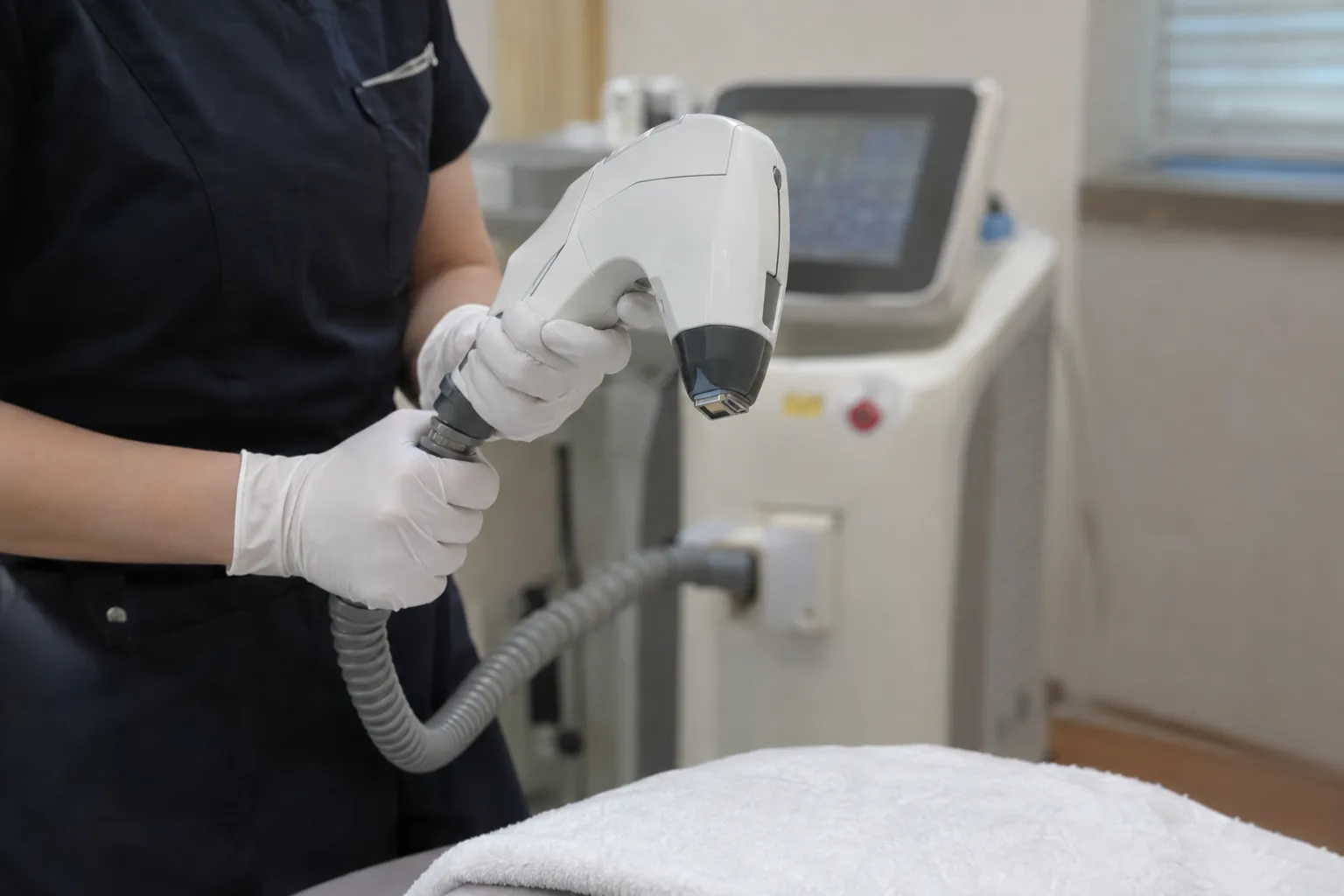
- Who performs it. For devices, ask whether the doctor or a staff member holds the handpiece. It changes the price and sometimes the result.
None of this requires suspicion. It requires one question, asked in Korean, before you pay a deposit. That is the part of the job a clinic's English coordinator is not employed to do for you.
Building the order of treatments into a short trip
If you have three or four days, the usual shape is: skin check and diagnosis on day one, the treatment with the most downtime early, and the surface treatment last so you fly home looking rested rather than raw.
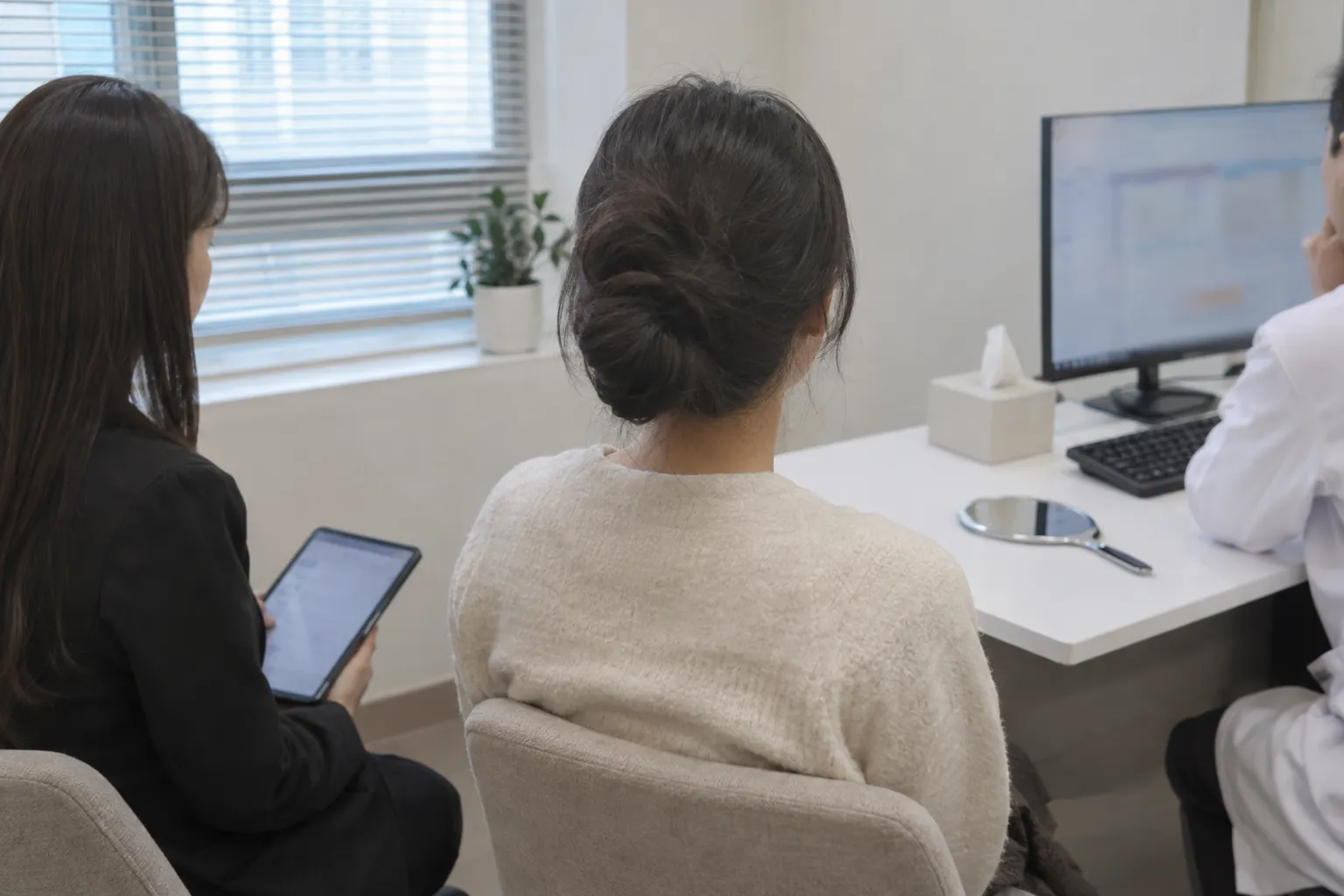
It is also fine to spend the first visit only on a diagnosis. Knowing that your brown patches are melasma rather than sun spots changes every treatment decision afterwards, and that knowledge travels home with you even if you do nothing else.
Browse every treatment on the Korean skin clinic page, let clinic matching narrow it down in two minutes, or meet the interpreters who cover dermatology. If you are still deciding between a salon facial at home and a clinic visit in Seoul, read Korean facial near me, and for choosing the clinic itself, how to choose a skin clinic in Seoul.