Korean glutathione injection: what the white jade drip can and cannot do for your skin
Written by KCODI medical interpreter team · English deskUpdated · 8 min read

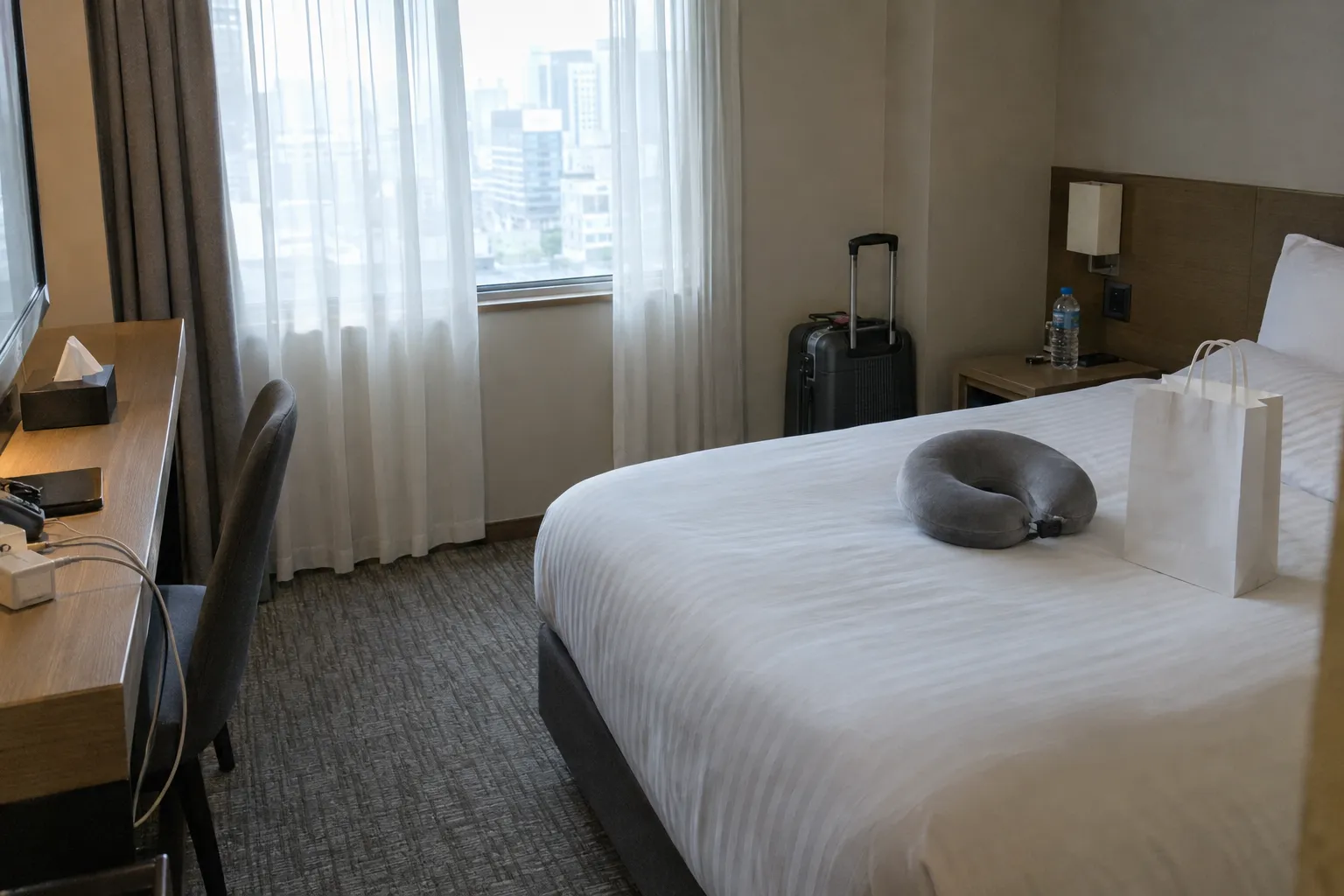
You have seen the term on clinic menus and in travel vlogs: a Korean glutathione injection, thirty minutes in a recliner with a drip in your arm, and skin that is supposed to glow afterwards. It looks easy to add to a Seoul trip, and you want to know if it is worth it.
Our interpreters sit in on these consultations. We have also watched visitors arrive expecting one drip to change their skin tone, and leave disappointed. So this guide is direct about three things: what Korean clinics actually offer, what the evidence and health regulators say, and what Seoul dermatologists use when the goal is brighter, more even skin.
One note on vocabulary. In Korea the word whitening, 미백, means brightening: fading spots and dullness and evening out tone. It does not mean changing your natural skin colour, and a careful doctor will not promise that.
What a glutathione injection is in Korea
Glutathione is an antioxidant your own cells make. Injectable glutathione is a medicine, given in Korea by clinics under a doctor's responsibility. It was not developed as a beauty treatment, so ask the doctor whether skin tone is an approved use of the product or an off-label one.
On clinic menus it appears under a nickname: the white jade injection, 백옥주사. It sits on a list of vitamin and antioxidant drips with similar pet names, offered at skin clinics and general clinics for tiredness, hangovers and dull skin. A nurse places the line, and the drip runs for twenty to forty minutes. People searching for Korean drip benefits are usually looking at this menu.
The theory is that glutathione nudges pigment production towards a lighter type of melanin and mops up oxidative stress. The theory is reasonable. The question is whether a drip changes anything you can see.
What the evidence and regulators say
Less than the marketing suggests. A widely cited dermatology review of glutathione as a skin whitening agent found only a handful of randomised trials, and those tested oral and topical forms. For intravenous injections, popular as they are, it found no evidence of efficacy. How long any effect lasts, and what it takes to maintain it, were still open questions.
Regulators have been blunt. The Philippine Food and Drug Administration issued a public advisory against injectable glutathione for skin lightening, stating that it had approved no injectable product for that purpose, that there were no published dosing guidelines, and listing toxic effects on the liver, kidneys and nervous system and the possibility of Stevens-Johnson syndrome, a severe skin reaction, among the concerns.
None of this means a single drip at a licensed Korean clinic is likely to harm a healthy adult. It means the benefit for your skin is uncertain and probably small, and that any injection carries some risk, including allergic reactions. That is a poor trade when better-proven options are in the same building.
Korean skin whitening treatment: what dermatologists actually use
When a Korean patient asks for brighter skin, a dermatologist starts with a diagnosis. Dullness, sun spots, freckles, melasma and marks left by acne are different problems, and each has a standard approach. None of them is a drip.
| Concern | What clinics commonly use | Visits | Downtime |
|---|---|---|---|
| Freckles and sun spots | Pico or Q-switched laser on each spot | Often one or two | Thin scabs for about a week |
| Melasma | Gentle laser toning over many sessions, prescribed creams or tablets, strict sun protection | Many, spaced weeks apart | Almost none per session |
| Marks after acne | Toning, mild peels, sometimes skin boosters | Several | Little |
| Overall dullness and dryness | Clinic facial, skin boosters such as polynucleotides | One to three | None to two days |
| Everyone | Daily broad-spectrum sunscreen | Every day | None |
The details are on our pigmentation laser page. The most useful thing one trip can give you is the diagnosis itself, because melasma treated with the wrong laser can get darker. For glow and hydration, a Korean facial or Rejuran and other skin boosters do visibly more than a drip, and you can read how they compare in Korean skin treatments compared.
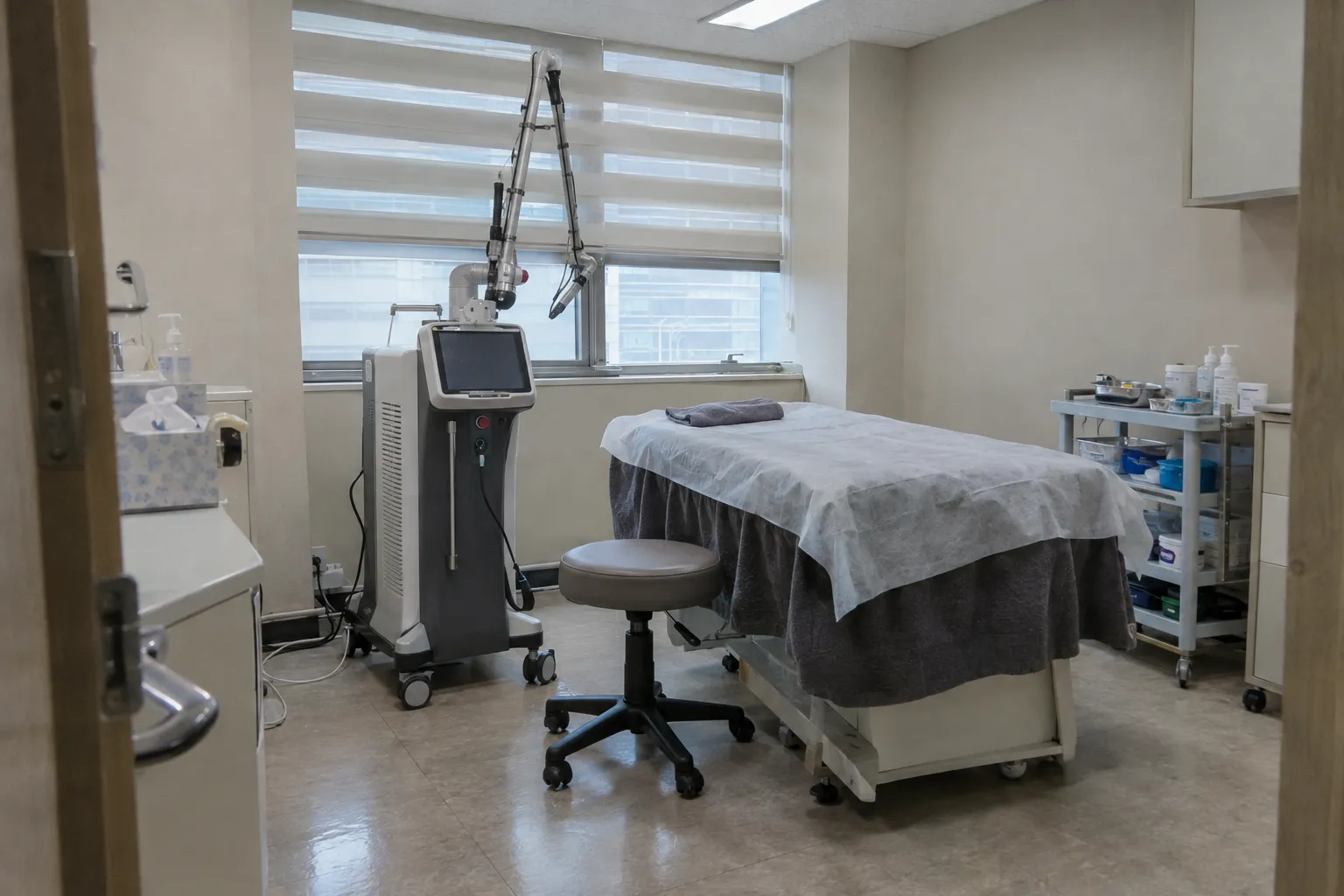
If you still want the drip
Some visitors do, for the experience or because they feel better after one. It is your decision. These are the conditions our team would insist on.
- A licensed medical clinic, with a doctor who sees you before the drip. Not a spa, a salon or a hotel-room service.
- A licensed product, opened in front of you, with the name and dose written down.
- A proper health form. Tell the doctor about asthma, allergies, kidney or liver problems, pregnancy, breastfeeding and every medicine you take.
- No prepaid packages unless you live in Korea. Pay for one session.
- Tell the nurse at once if you feel itching, chest tightness, dizziness or pain at the line.
- Never buy vials online to inject at home. Unregulated injectables are where the serious harm reports come from.
Skin whitening in Korea: realistic expectations for one trip
In a week you can have your pigment properly diagnosed, clear most discrete sun spots, start a toning plan, and get your skin clean, hydrated and calm. You can learn the routine Koreans follow, which is mostly sunscreen and consistency. You cannot change your baseline skin colour, and you should be suspicious of anyone who says a product can.
Plan treatments with scabbing early in the trip and gentle ones late. Stay out of strong sun afterwards, which in a Seoul summer means a hat as well as sunscreen. To find a suitable clinic, see how to choose the best skin clinic in Seoul for foreigners, browse the Korean skin clinic list, or let clinic matching shortlist for you.
Questions patients ask us
Does a Korean glutathione injection whiten skin?
Is glutathione injection legal in Korea?
What is the white jade injection?
What are the side effects of glutathione injections?
What works better for brighter, more even skin?
Sources
- Sonthalia et al., Glutathione as a skin whitening agent: facts, myths, evidence and controversies (Indian J Dermatol Venereol Leprol, 2016)
- Philippine FDA Advisory No. 2019-182: unsafe use of glutathione as skin lightening agent
- American Academy of Dermatology: melasma diagnosis and treatment
- Ministry of Food and Drug Safety (Korea)