Same day veneers in Seoul: what a milling machine can do, and what it should not be asked to do
Written by KCODI medical interpreter team · English deskUpdated · 8 min read

In shortSame day veneers in Seoul are real for one to four teeth, using a scan and a chairside milling machine. A full front-teeth smile usually still needs a try-in visit, which means two trips or a longer stay.
You have five days in Seoul and a chipped front tooth you have been living with for two years. A clinic replies that same day veneers Seoul dentists can do in one appointment, and you cannot tell whether that is genuinely possible or a booking tactic.
It is genuinely possible, within limits. Our interpreters go to these appointments and watch the milling machine cut a crown while the patient drinks tea. What varies is whether your case is the kind that should be finished in one sitting.
This guide explains how same-day dentistry works, which cases suit it, which need a second visit, and what to ask so a five-day trip does not end with temporary teeth.
How do same day veneers and crowns actually work?
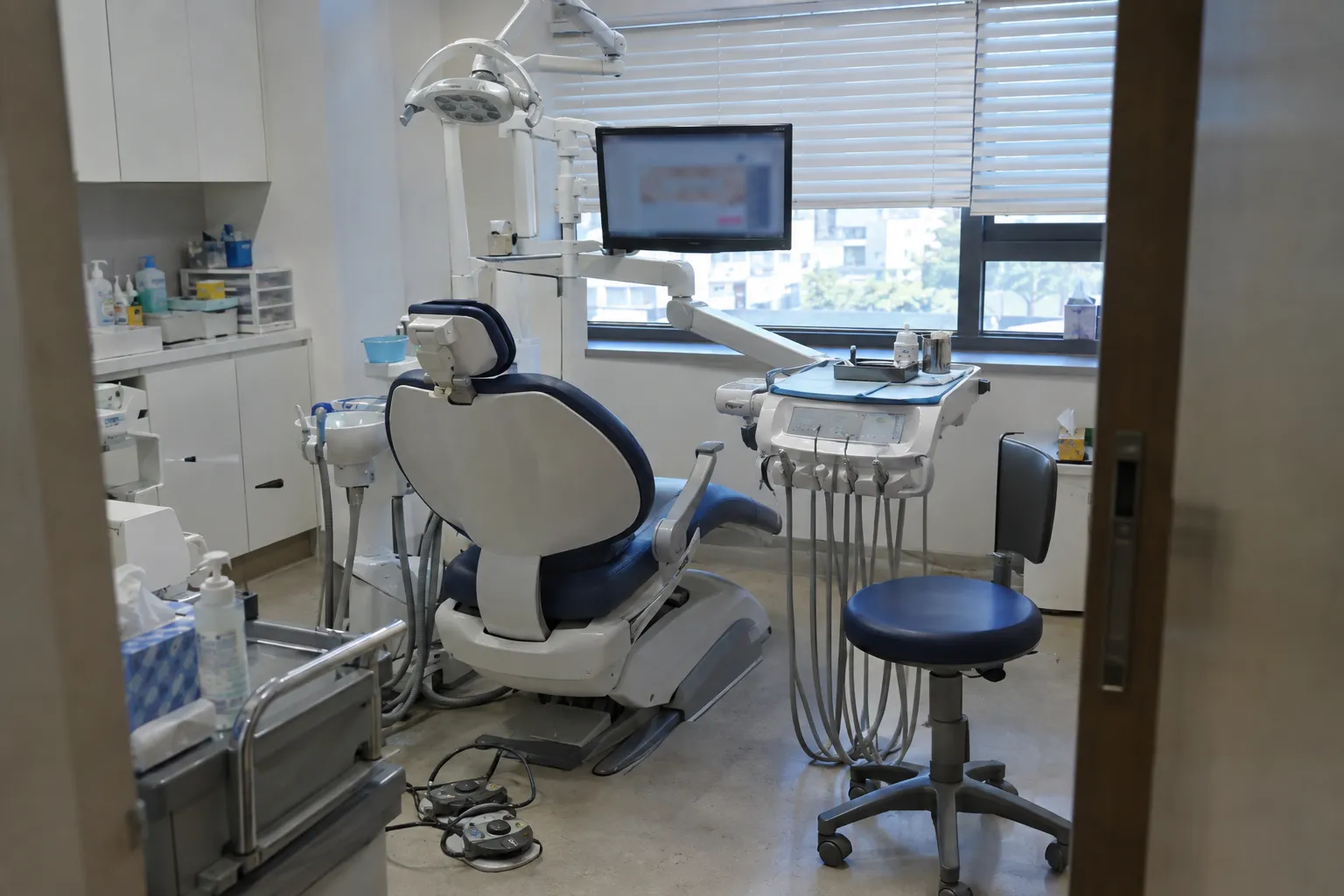
The tooth is prepared, scanned with an intraoral camera instead of a putty impression, designed on screen, and then milled out of a ceramic block in the clinic. No dental laboratory, no courier, no two-week wait. The restoration is characterised, glazed and bonded in the same appointment.
Dental bodies describe crowns as caps that cover a damaged tooth and veneers as thin facings bonded to the front surface. Both can be milled chairside; the difference is how much tooth is removed and therefore how reversible the decision is. A crown is a bigger commitment than a veneer, and a veneer is a bigger commitment than bonding.
| Case | One appointment? | Why | Trip time to allow |
|---|---|---|---|
| A single crown on a back tooth | Usually yes | Shade matching is forgiving | One appointment, 2–3 hours |
| One or two front veneers | Often yes | Shade must match neighbours, so allow adjustment time | One long appointment plus a check |
| Four to eight front veneers | Usually not | The smile line and shade need a try-in stage | Two visits, or 5–7 days in Seoul |
| Crown after a root canal | No | The root canal itself needs its own appointments | 5–7 days minimum |
| Gum contouring plus veneers | No | Gum must heal and settle before the final shade and shape | Two visits, weeks apart |
The last row is the one visitors most often get wrong. If your teeth look short because the gum sits low, reshaping the gum changes the length of the visible tooth — and veneers made before the gum settles will be the wrong size.
How much does gum contouring cost, and when is it worth it?
It is usually priced per tooth or per section rather than as one figure, and it is far less expensive than the veneers it precedes — which is why skipping it to save money is a poor trade. Most Seoul clinics do it with a diode laser under local anaesthesia in a single short appointment.
It is worth it when the complaint is "my teeth look small" or "I show too much gum when I smile" rather than "my teeth are the wrong colour". If the gum is the problem and you veneer the teeth instead, you pay for ceramic that does not fix what bothered you.
The timing rule our interpreters hear from Seoul dentists: laser gum reshaping, then a wait of several weeks, then the final restorations. On a single trip that means gum work now and veneers on a second visit — or veneers alone, with the gum left as it is. Price ranges per tooth are on the veneers page.
Are milled crowns as good as laboratory ones?
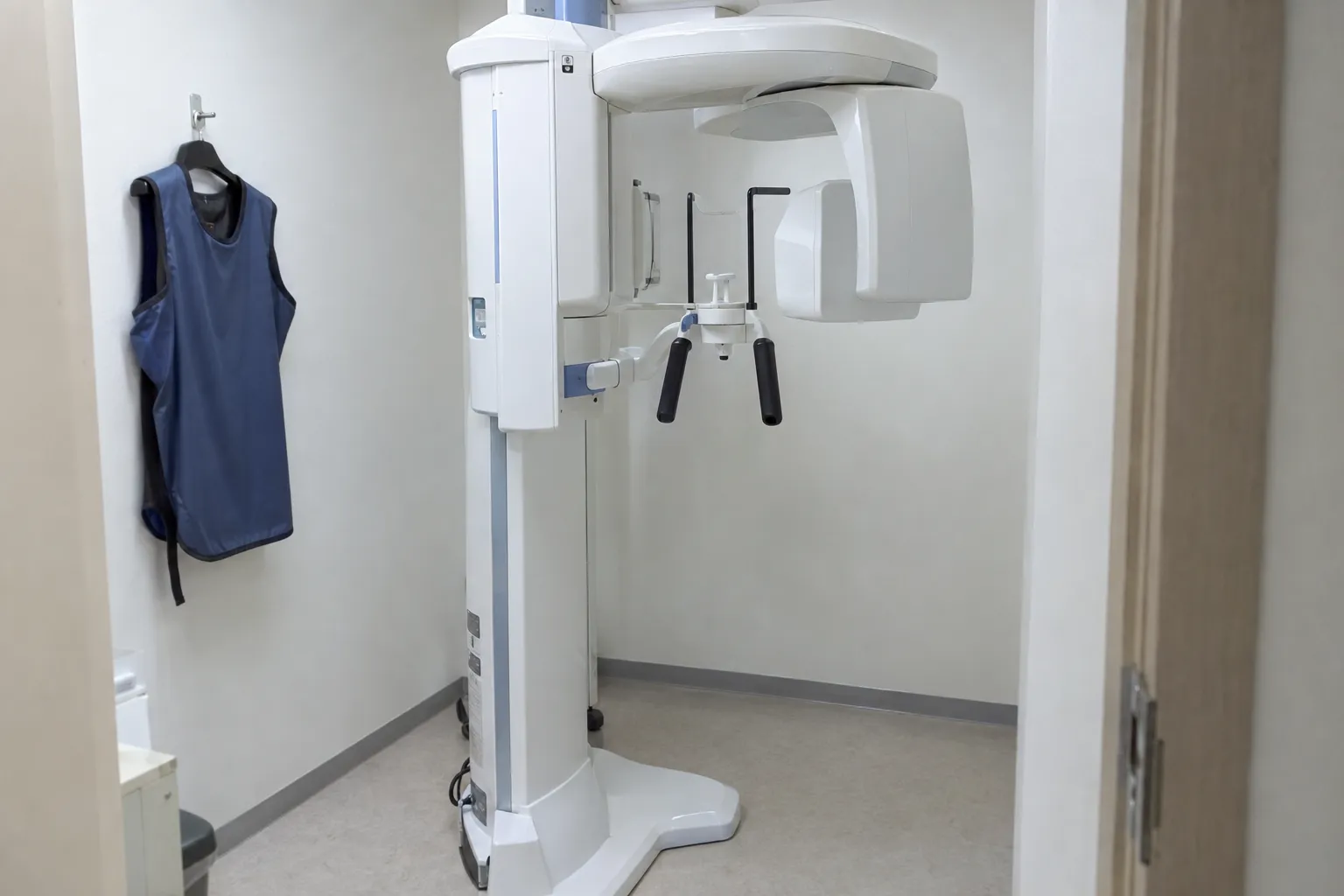
For most single-tooth work, yes — and for complex front-teeth cases a skilled technician still has the edge. A milling machine cuts an accurate shape from a uniform ceramic block. A technician can layer different translucencies to imitate a natural tooth, which is what makes eight matched front veneers convincing.
So the honest split is this. Function, single teeth, back teeth: chairside is excellent and finishes in a day. Appearance across the whole visible smile: a laboratory and a try-in appointment usually give a better result, and Korean dental laboratories are close by and fast, which is exactly why a second appointment within the same week is often achievable.
Ask which ceramic, and ask to hold the block. Materials differ in strength and translucency, and the dentist chooses based on how much bite force the tooth takes. Our guide to getting veneers in Korea covers the material choice in more detail.
What should I ask before booking a one-trip dental plan?
Seven questions, and the first is the one that prevents a wasted flight.
- Based on my photographs and X-rays, is my case realistically a one-appointment case? Please say no if it is not.
- How many appointments, on which days, and what is the last day I could arrive?
- Is the restoration milled in the clinic or made in a laboratory? Both are fine; I want to know which.
- Which ceramic material, and why that one for this tooth?
- How much of my natural tooth will be removed? Is there a less invasive option such as bonding?
- If a veneer chips or debonds after I fly home, what is the warranty and who pays? Get it in writing.
- Will you send my scan files and the shade record so a dentist at home can remake one if needed?
What else can you finish in one Seoul trip?
More than people expect, as long as nothing needs healing time. Scaling, whitening, fillings, inlays, a single crown and a few veneers all fit comfortably into a working week. Anything involving bone, gum healing or root canals needs longer or a second visit.
A workable five-day shape: examination and X-rays on day one, cleaning and any fillings on day two, preparation and milling on day three, a bite check and polish on day four, and a spare day before the flight. Our guide to routine dental work in Korea lists what each treatment needs, and Korean teeth and dental aesthetics covers what the local standard of a good smile actually is.
KCODI books at the local partner rate Korean patients use, with a written itemised quote before any deposit, and a medical interpreter with you at no cost — which matters in dentistry, because bite and shade instructions are exactly where English-language appointments go wrong. Browse the Korean dental page, meet the interpreters, or answer four questions in clinic matching.