Wisdom tooth removal in Korea: what a visitor has to plan for
Written by KCODI medical interpreter team · English deskUpdated · 7 min read

In shortWisdom tooth removal korea cost turns on one thing: whether the tooth is erupted or impacted in bone. Plan five to seven days in Korea if you want the stitches checked by the dentist who placed them.
It has been aching on and off for a year, your dentist at home quoted a number that made you close the tab, and you are going to be in Seoul anyway. Wisdom tooth removal korea cost is a reasonable search, and the answer has one variable that matters more than the country.
An erupted wisdom tooth that a dentist can grip and lift out is a short, ordinary procedure. A tooth lying sideways in bone under the gum, close to the nerve, is oral surgery: bone is removed, the tooth is sectioned, and the socket is stitched.
Which of those you have is decided by an X-ray, not by how much it hurts. So the useful plan is: get the image first, get the quote against the image, and only then decide whether it happens on this trip.
What does wisdom tooth removal cost in Korea, and what changes it?
Difficulty sets the price, and imaging sets the difficulty. Korean dental clinics quote per tooth, and the same clinic will have a wide range between a simple extraction and a surgical one.
- Erupted or impacted. A tooth through the gum costs a fraction of one buried in bone.
- Imaging. A panoramic X-ray is routine; a dental CT is added when the root sits near the nerve, and it is a separate line.
- Number of teeth. Two on the same side in one visit is common; all four at once is a decision your dentist makes, not a discount you request.
- Sedation. Local anaesthetic is standard. Sedation, where offered, is charged separately.
- Specialist or general dentist. Oral surgery lists cost more, and for a difficult lower third molar that is the list you want.
Foreign visitors pay privately, so Korean national insurance rates are not your rates — a point worth knowing before you compare a figure a Korean friend quoted you. The current bracket for routine dental work sits on the dental category page, and the rest of the ordinary menu is in routine dental work in Korea.
How many days do I need to stay in Korea?
Five to seven days is the honest answer for a surgical extraction, because stitches are usually checked or removed about a week later and complications show up on day three, not day one.
| When | What happens | What you can do |
|---|---|---|
| Day 0 | Extraction, gauze pressure, prescriptions collected at the pharmacy | Ice, rest, soft cold food, no straws, no smoking |
| Day 1–2 | Swelling peaks, jaw stiff, bruising possible | Soft food, prescribed painkillers, sleep propped up |
| Day 3 | Swelling starts to turn; dry socket, if it happens, usually shows now | Call the clinic if pain is increasing rather than easing |
| Day 5–7 | Review, stitch check or removal unless dissolvable stitches were used | Back to normal eating gradually |
| Week 2+ | Socket closing over | Fly home comfortably |
If your trip is short, ask two questions before booking: are the stitches dissolvable, and will the clinic give you a written note for a dentist at home. Both are normal requests and they decide whether a four-day trip is safe.
Can I fly after a wisdom tooth extraction?
Most people fly a few days later without a problem, and the caution is bleeding and pain management rather than the cabin pressure itself. The decision belongs to the dentist who did the extraction, and they will usually say to avoid a same-day or next-day long-haul flight after a surgical case.
- Take the prescribed painkillers and any antibiotics in your hand luggage, with the pharmacy label attached.
- Carry gauze. A small ooze restarting in the air is manageable if you have gauze and unnerving if you do not.
- Skip alcohol on the flight. It works against clotting and against the medication.
- Cabin air is dry, so drink water — without a straw, because suction is what dislodges a clot.
- Ask the clinic for their messenger contact, so a question on day three does not require a phone call across time zones.
How do I find a dentist in Seoul who will do this properly?
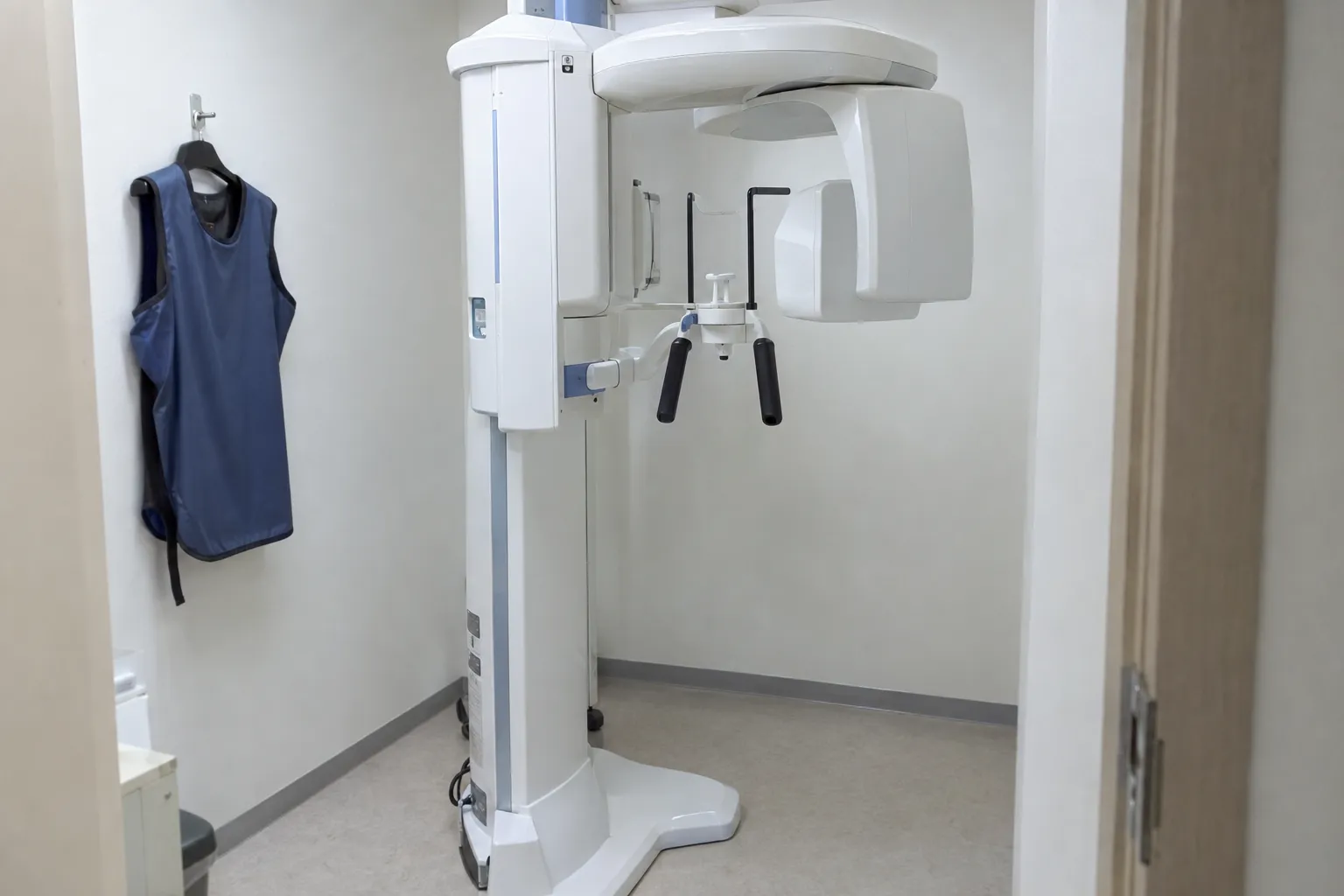
Look for the imaging and the explanation, in that order. A clinic that takes a panoramic X-ray, shows you the tooth on the screen and tells you which type of extraction you need before quoting is behaving correctly.
Language is the real risk in a dental chair, not skill. Korean dentistry is technically strong and inexpensive by international standards; what goes wrong for visitors is consent — agreeing to something you half understood, then discovering a second tooth was removed or a CT was added.
If you are also considering other work while you are here, sequence it with the extraction rather than around it — Korean teeth and dental aesthetics sets out what usually waits, and the matching form will shortlist clinics for the whole plan.