Fillings, inlays and root canals in Korea: visits, materials and what moves the price
Written by KCODI medical interpreter team · English deskUpdated · 7 min read

South korea dental filling cost is a quieter search than implants or veneers, and it is the one with the most honest answer. Ordinary restorative dentistry in Korea is efficient, widely available, and priced by material and size rather than by how far you flew.
The catch is not the price. It is the visit count. A filling is one appointment. An inlay is two. A root canal is usually more, and it is the one that traps people who booked a five-night trip around a tooth that had other ideas.
Here is what each treatment involves, how many days it needs, and which questions decide the number on the quote.
The four treatments people mean by 'filling'
In Korean clinics these are separate menu items with separate prices, and the word your dentist at home used may map onto any of them.
| Treatment | What it is | Visits | Notes |
|---|---|---|---|
| Resin filling | Tooth-coloured composite placed and cured in the mouth | One | Best for small to moderate cavities; the fastest option for a trip |
| Inlay or onlay | A restoration made outside the mouth from an impression or scan, then bonded in | Two, or one with same-day milling | For larger cavities; material choice is most of the price |
| Crown | Full coverage of the tooth | Two or more | Usually follows a root canal or a badly broken tooth |
| Root canal treatment | The nerve is removed, the canals cleaned and sealed | Two to four, sometimes more | Then usually needs a crown or inlay on top |
A korean bond repair treatment normally means composite bonding on a chipped or worn edge rather than a cavity. It is quick and it is cosmetic, and it belongs with the aesthetic menu covered in Korean teeth and dental aesthetics.
What actually moves the price
- Material. Resin, gold, ceramic and zirconia inlays sit at very different points, and the dentist's recommendation will depend on which tooth and how much force it takes.
- Size of the cavity. A filling is priced by surfaces, not by tooth. Two surfaces costs more than one.
- Whether a root canal is needed underneath. That is a decision made after an X-ray, sometimes after opening the tooth, and it changes the trip.
- Number of canals in the tooth. Front teeth are simpler than molars, and molar root canals take longer and cost more.
- Whether a crown or inlay is needed afterwards to protect the treated tooth, which is usual.
Ask for the quote to be itemised by tooth and by treatment, not as a lump sum for 'dental work'. For the ranges that appear on Korean price lists, see dental.
How does Korean dental healthcare work for a visitor
Korea has national health insurance that covers a portion of basic dental treatment for residents. As a visitor you are almost certainly paying privately, which means the price you are quoted is the price, without an insurance discount behind it.
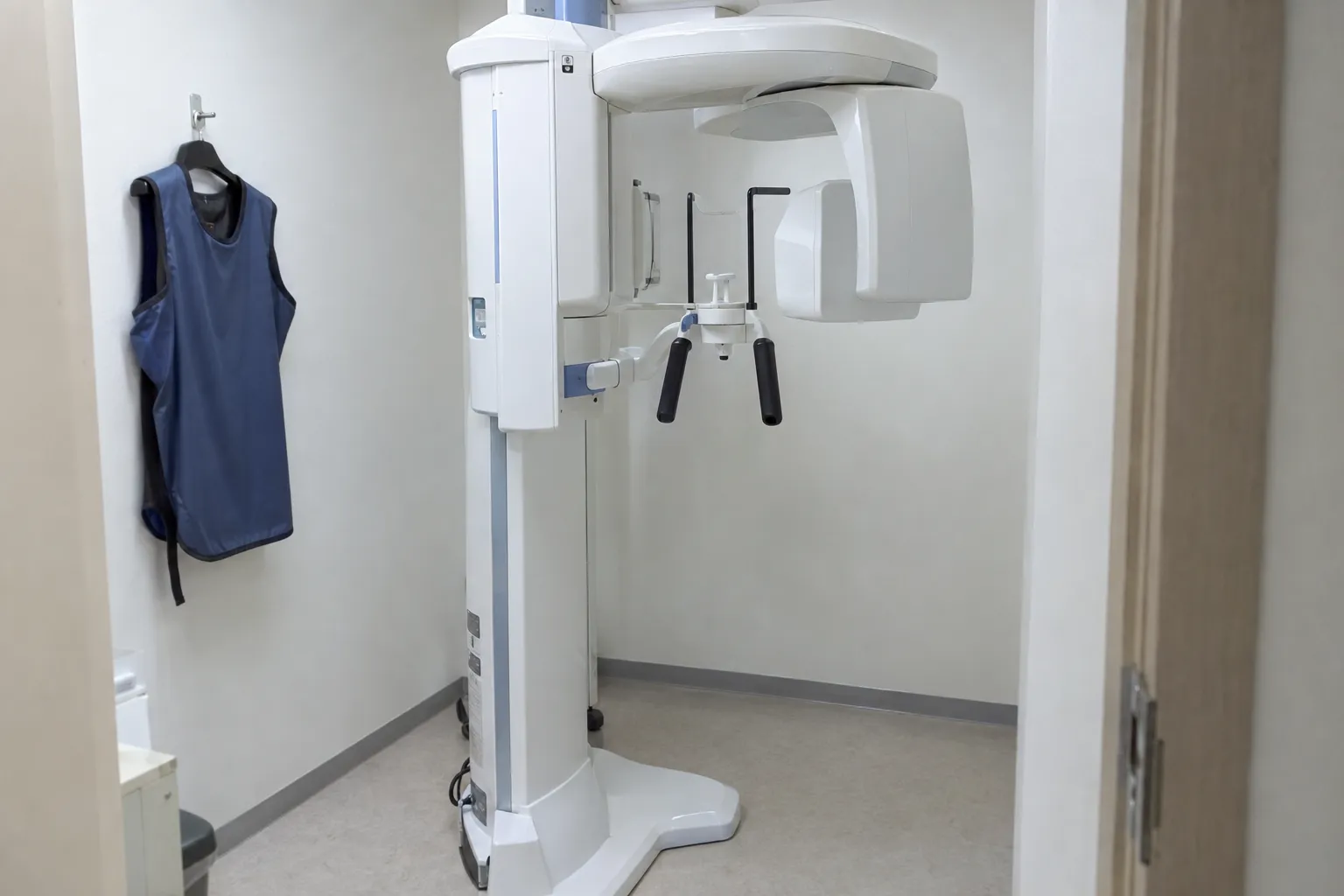
Dental clinics here are small, numerous and independent. Most are a single dentist with a few chairs, not a hospital department. That is the normal structure and it is why the appointment is short, the equipment is modern, and the dentist is the person who actually treats you.
The difference in words matters: in Korea a 치과의원 is a dental clinic and a 치과병원 is a dental hospital with more departments. Korean hospital versus clinic explains the distinction in general.
Fitting ordinary dental work into a trip
- One resin filling: a single appointment of well under an hour. Numbing wears off in a couple of hours and you can eat that evening.
- One inlay: two appointments a few days apart, or a single appointment at clinics with same-day milling. Ask which before you book flights.
- Root canal plus crown: budget a week at minimum and expect the dentist to want more. If your dates are fixed, say so at the first visit so the plan is built around them.
- Pain right now: go the same day. Korean dental clinics keep emergency slots and Saturday mornings are common.
- Bring any recent X-rays you have. It saves an imaging fee and gives the dentist history you cannot describe.
For how treatment plans map onto trip length in general, read how many days to visit Korea for treatment.
Korean teeth care after the appointment
Korean dentists give unusually detailed home-care instructions, including brushing technique and interdental cleaning, and they expect to be asked. Ask for the instructions in writing, because they are given quickly and in Korean.
Practical points interpreters repeat most: do not chew on a temporary inlay, avoid very hot and very cold on a freshly treated tooth for a day or two, and take the prescribed painkiller before the numbing wears off rather than after.
If a temporary comes loose after you fly home, a local dentist can re-cement it. Keep the itemised receipt and any material details so they know what is in your mouth. To be matched with a partner clinic, use clinic matching.