Asan Medical Center Seoul: how international patients actually get an appointment
Written by KCODI medical interpreter team · English deskUpdated · 8 min read

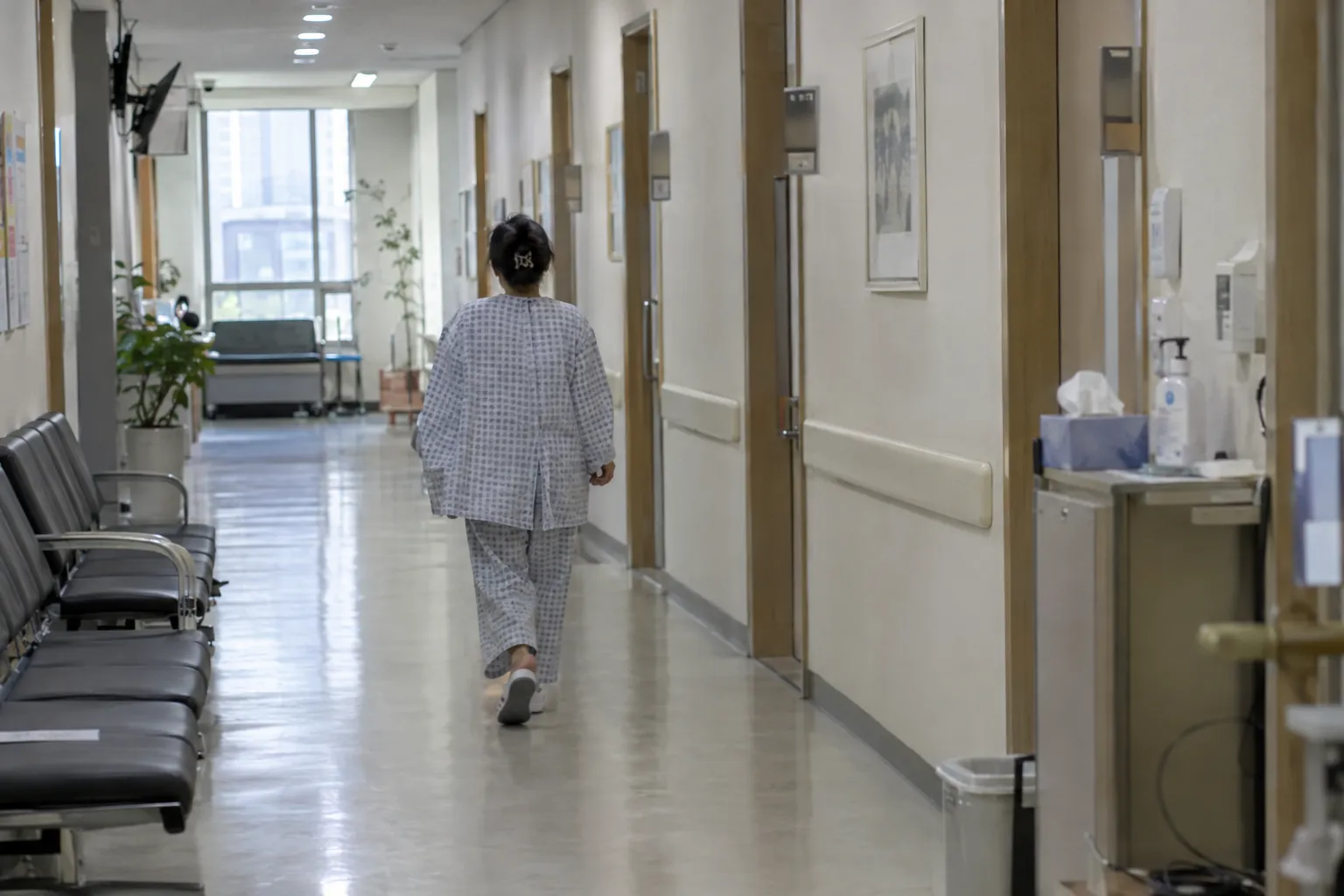
People searching asan medical center seoul are usually not comparing cosmetic clinics. They want a serious diagnosis, a second opinion, or a thorough health check, and they need to know how to get through the door.
This page covers what the hospital states about its international services, how access works at a large Korean hospital, what a Korean comprehensive health check actually involves, and how interpretation works when the appointment is medical rather than cosmetic.
KCODI is a booking and medical-interpretation service. We are not affiliated with this hospital and take no position on it.
What the hospital states
Asan Medical Center gives its address as 88 Olympic-ro 43-gil, Songpa-gu, Seoul, in the south-east of the city rather than in the Gangnam clinic district. Its English site describes an International Healthcare Center for foreign patients living in Korea and overseas.
Stated services through that centre include primary consultation, referral to specialty departments, prescriptions, vaccination and medical examinations, alongside health check-up programmes and a separate health screening centre. Languages listed include English, Chinese, Russian, Arabic, Mongolian and Japanese. Those are the hospital's own statements as of the check date above.
What a Korean comprehensive health check covers, and how it differs from what most countries call an annual physical, is on our comprehensive health check-up page.
How access works at a large Korean hospital
This is the part that surprises visitors. Korea has an excellent, fast system, and it is organised around a distinction between clinic-level and hospital-level care that does not exist everywhere.
| Route | How it works | What to know |
|---|---|---|
| International healthcare centre | A dedicated office books you in and coordinates departments | The intended route for foreign patients; contact it first |
| Direct specialty appointment | Sometimes possible, often needs a referral | Large hospitals prioritise referred cases |
| Health screening centre | Booked as a package on its own schedule | Often booked weeks ahead; fasting required |
| Emergency department | Open, and used for emergencies | Not a route to a specialist appointment |
| Walking in | Not how tertiary hospitals work | Expect to be redirected |
What a Korean comprehensive check-up includes
Korean health screening is unusually thorough by international standards, and it is packaged rather than ordered test by test. A typical half-day or full-day programme includes some combination of the following.
- Blood and urine panels covering liver, kidney, lipids, glucose, thyroid and common tumour markers.
- Chest imaging, abdominal ultrasound and an electrocardiogram.
- Gastroscopy and often colonoscopy, usually with sedation, which is why fasting and bowel preparation instructions matter.
- Body composition, blood pressure, vision and hearing.
- Optional additions such as cardiac CT, low-dose lung CT, brain MRI or women's health screening, priced separately.
The results consultation at the end is the part worth protecting. It is where an unfamiliar finding is explained, and it is the appointment where interpretation matters most. Our guide on hospitals versus clinics in Korea explains where each type of care belongs.
It is also worth knowing what a thorough screen does to you statistically. Test enough healthy people and some results come back marginally abnormal without meaning anything, and Korean programmes test a great deal. A small nodule, a borderline marker or a cyst on an ultrasound is common, usually harmless, and needs a doctor's interpretation rather than a search engine's. Ask what the recommended next step is and on what timescale, and write the answer down before you leave the room.
Why hospital reviews read differently
Reviews of large Korean hospitals are mostly about waiting, signage, parking and administration, because that is what a patient experiences consciously. They are rarely about clinical care, which is the reason people come.
- Useful: how the international office communicated, how long the appointment took to arrange, whether interpretation was available.
- Useful: whether results and records were provided in a form usable abroad.
- Not useful: complaints about crowds and waiting, which are structural in tertiary hospitals everywhere.
- Not useful: any comparison between a hospital and a private clinic. They are different levels of care and they are not competing.
Interpretation for medical, not cosmetic, appointments
Hospital interpretation and clinic interpretation are different jobs. A diagnosis consultation involves numbers, probabilities and treatment options, and the stakes of a half-understood sentence are higher.
You can also meet the interpreters first, or use clinic matching if you are still working out what kind of appointment you need.
Practical notes for a hospital visit in Seoul
- Allow more days than you think. Tests, results and the follow-up consultation rarely all happen on one day at a tertiary hospital.
- Foreign patients without Korean national health insurance pay a different, unsubsidised rate. Ask for an estimate in writing before the tests, not afterwards.
- Songpa-gu is not Gangnam. Check the journey from wherever you are staying, and allow for morning traffic.
- Fasting instructions are exact. For most screening programmes that means nothing after a stated time the night before, water included in some cases.
- Ask for your results in English and ask whether imaging can be copied for you. Both are usually possible if you ask before you leave.
- Travel insurance rarely covers planned screening or elective second opinions. Check the exclusions rather than the summary.
If you need help while you are in the country, the Medical Korea Support Center answers questions from foreign patients on +82-1577-7129, and the Korea Medical Dispute Mediation and Arbitration Agency handles complaints.