Best acupuncture in Seoul: face, ear and body needles, and what to ask first
Written by KCODI medical interpreter team · English deskUpdated · 8 min read
In shortThe best acupuncture in seoul for a visitor is a licensed hanbang clinic that explains the plan in a language you share. Korean Medicine doctors hold a separate six-year licence from medical doctors.
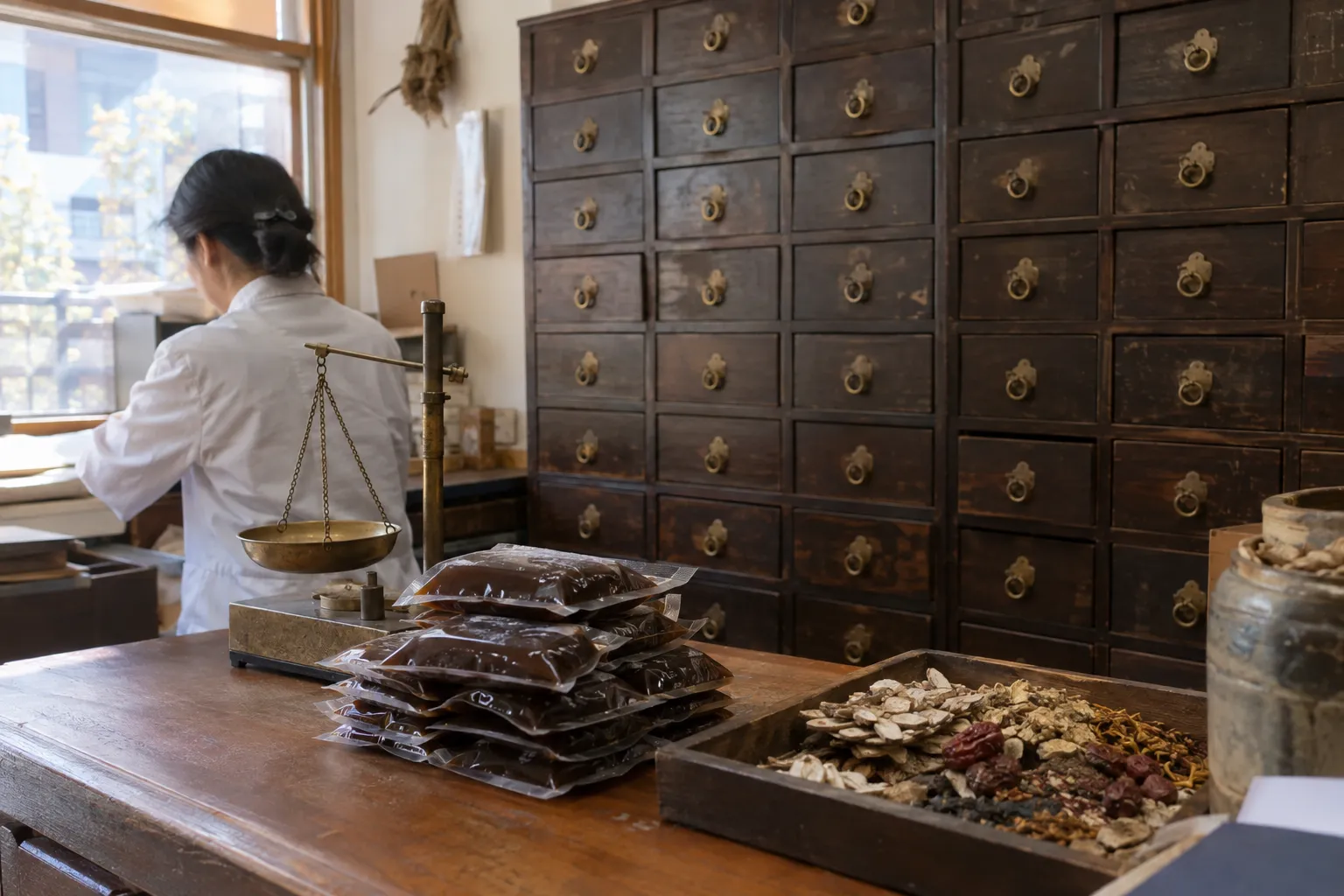
You have a week in Seoul, a shoulder that has hurt for two years, and a curiosity about the clinics with wooden drawers behind the counter. Best acupuncture in seoul is where that starts, and the first useful fact is about who is holding the needle.
Korean medicine is a separate licensed profession here. A Korean Medicine doctor completes a six-year degree and a national licence of their own, works in a 한의원 rather than a hospital, and can prescribe herbal medicine that a Western-trained doctor cannot.
That is why a hanbang clinic feels different from an acupuncture room attached to a spa at home. It is a clinic, with a diagnosis, a plan and a chart — and the sensible visitor question is what that plan is for, and what it costs.
What happens in a Seoul hanbang clinic session?
A consultation first, then needles, then usually something warm. The doctor asks about sleep, digestion, cold hands, stress and pain, takes your pulse and looks at your tongue, and then explains a pattern in terms that will not match a Western diagnosis.
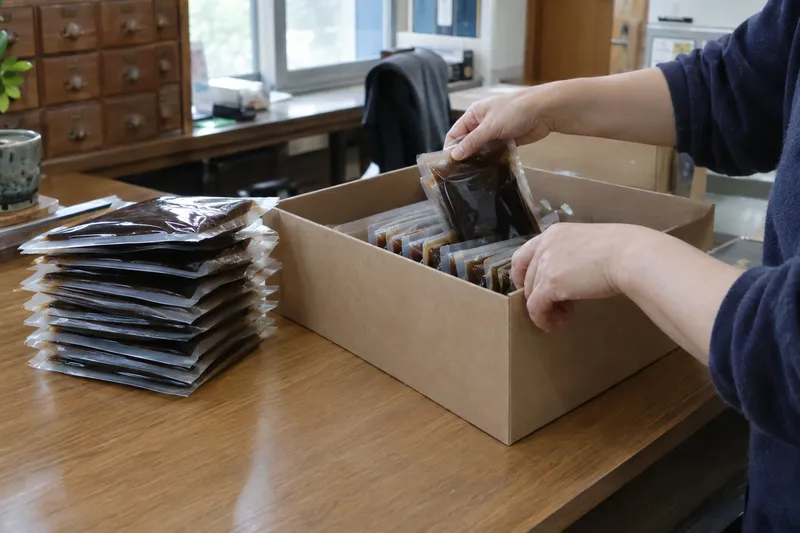
The treatment that follows is typically some combination of acupuncture, moxibustion — warming a point with burning herb — cupping, and manual therapy called chuna for musculoskeletal problems. A session runs twenty to forty minutes and is priced per visit.
Korean patients use these clinics for pain, digestive complaints, menstrual problems, fatigue and stress. What to expect from each treatment is on the acupuncture and chuna page, and the honest evidence question is in does Korean herbal medicine work.
What are the claimed Korean acupuncture benefits, and what does the evidence say?
Evidence is strongest for certain kinds of pain and weakest for everything else, and an honest clinic will not dispute that. Reviews by national health bodies find acupuncture may help with some chronic pain conditions and that results for many other uses are unclear or inconsistent.
So the reasonable expectation is symptom relief that you can feel and judge yourself within a few sessions, not a cure and not a substitute for medical care you already need. A Korean Medicine doctor who tells you to stop a prescribed medicine is a doctor to leave.
| Session type | What it involves | Usually booked for | Sessions |
|---|---|---|---|
| Body acupuncture | Needles at points by diagnosis, often with moxibustion or cupping | Pain, stiffness, fatigue, digestion, sleep | Several, days apart |
| Chuna manual therapy | Hands-on spinal and joint work by the doctor | Neck, back and posture complaints | A short course |
| Facial acupuncture (미용침) | Fine needles in the face, sometimes with threads or devices | Puffiness, tone, jaw tension; claims about lifting | A course, effect is temporary |
| Ear acupuncture (이침) | Points on the ear, sometimes with small retained studs | Appetite management within a weight plan | Weekly, alongside diet advice |
| Herbal prescription | A decoction or granules dispensed to your pattern | Digestion, fatigue, menstrual and stress complaints | Weeks of daily doses |
Is facial or ear acupuncture worth it for a visitor?
Facial acupuncture is pleasant, temporary and usually about puffiness and muscle tension rather than structural lifting. If you have a wedding on Saturday it can be a reasonable Thursday appointment; if you want a lift, this is not where that conversation belongs.
Ear acupuncture appears in Korean weight programmes as an appetite-management component alongside diet advice and sometimes herbal prescription. The needles are not the mechanism of weight loss; the eating plan is, and a clinic that frames it the other way round is overselling.
- Facial needling: small bruises are common. Book it three or more days before anything photographed.
- Retained ear studs need care instructions and a removal plan — ask before you fly.
- A weight plan that fits a one-week trip is a consultation and a starting prescription, not a programme.
- Herbal medicine interacts with prescription drugs. Bring a list of everything you take, including supplements.
- Ask for the herbal ingredients in writing. Some countries restrict the import of herbal preparations, and customs is not the place to find out.
How do I find an English speaking clinic in Seoul?
By asking before you arrive, because most hanbang clinics run entirely in Korean. The ones near tourist districts sometimes have English-speaking staff, and the ones Korean patients actually recommend usually do not.
This is the part where a language gap costs you more than convenience. Korean medicine diagnosis is a conversation: sleep, temperature, appetite, stress, cycle. Half of that conversation in gestures produces a generic treatment, which is exactly the disappointing experience visitors report.
What should you expect to spend, and what is included?
Sessions in Korea are inexpensive by international standards; herbal medicine is where the money is. Korean national insurance covers part of acupuncture for residents, which does not apply to visitors, so a price a Korean friend quotes you is not your price.
Ask what a single session costs, what a course of five costs, and what a month of herbal medicine costs, as three separate numbers. Then decide which of the three you actually want, because a clinic will usually recommend all three.
The current bracket is rendered on the Korean medicine category page, and the weight and diet side of the menu is on the herbal diet medicine page. To be matched with a clinic rather than picking from a map, use the matching form.