Korean herbal medicine: what it is used for here, and what the evidence says
Written by KCODI medical interpreter team · English deskUpdated · 7 min read
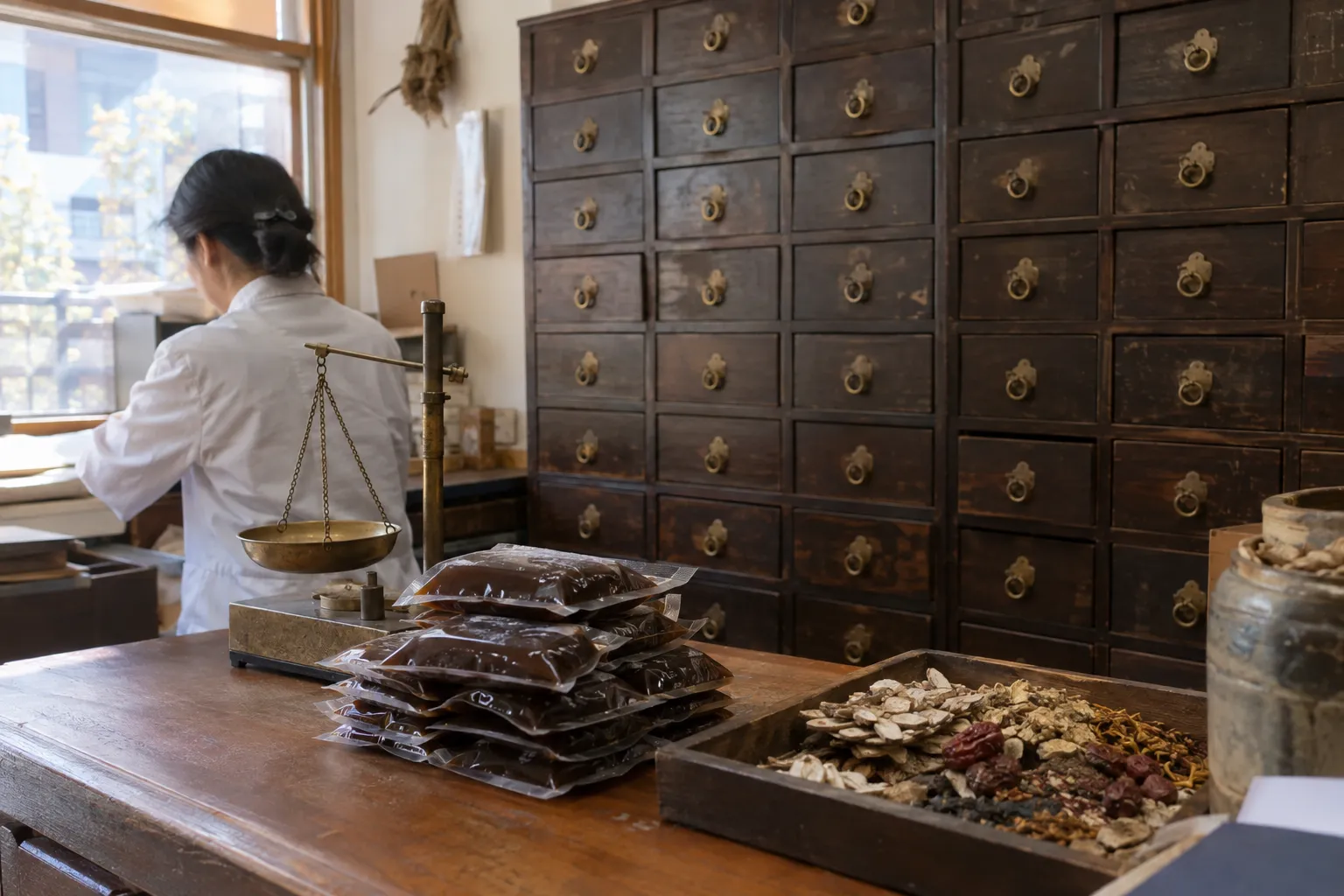
Does Korean herbal medicine work? People who ask usually want one of two answers, and the honest reply is less satisfying than either. Korean medicine is a regulated part of the health system here, with its own multi-year training, its own national licence and partial coverage under national health insurance. That is not the same thing as every prescription having strong clinical evidence behind it.
What is useful is knowing where Koreans themselves draw the line. A hanbang clinic is a normal destination for back pain, a stiff neck, digestion, fatigue and postpartum recovery. Nobody here takes a suspected fracture or a lump to one.
This is what a Korean medicine clinic is, what the evidence supports and does not, the safety questions to raise, and when to book a hospital instead.
Two parallel systems, two separate licences
Korea runs Western medicine and Korean medicine side by side as separate professions. A Korean medicine doctor (한의사) trains for years and passes a national exam. They are not allowed to prescribe Western pharmaceuticals, and a medical doctor is not allowed to prescribe herbal decoctions.
| Korean medicine clinic (한의원) | Medical clinic or hospital | |
|---|---|---|
| Practitioner | Korean medicine doctor, national licence | Medical doctor, national licence |
| Tools | Herbal prescriptions, acupuncture, cupping, moxibustion, chuna manual therapy | Drugs, imaging, surgery, laboratory tests |
| Commonly used for | Musculoskeletal pain, digestion, fatigue, postpartum care, menstrual issues | Diagnosis, acute illness, chronic disease management, surgery |
| Imaging on site | Usually not | Yes |
| Insurance in Korea | Partial cover for some treatments | Standard cover |
The practical consequence for a visitor: a hanbang clinic is not the place to get a diagnosis. Diagnosis comes first, and it comes from a medical clinic.
What the evidence supports, and what it does not
The research picture is uneven, and that unevenness is the real answer to the question.
- Acupuncture has been studied most, with the strongest signals in certain chronic pain conditions and some nausea. National health bodies describe the effects as modest and the evidence as mixed but not empty.
- Manual therapy such as chuna overlaps with physiotherapy and manipulation practised elsewhere, and is used here for back and neck complaints.
- Herbal prescriptions are the hardest to evaluate, because each one is mixed for the individual, so a trial of one formula says little about the next.
- Claims that any herbal preparation treats cancer, replaces insulin or cures a chronic disease have no support, and a licensed Korean medicine doctor will not make them.
- What clinics describe honestly is symptom relief and support, not cure. If you hear anything stronger than that, leave.
What is actually in a prescription
People searching for a Korean herbal medicine list are usually hoping for a menu with fixed items. It does not work that way. The doctor examines you, decides on a pattern, and combines herbs into a formula for that pattern, then adjusts it at the follow-up.
- Common bases include ginseng, liquorice root, angelica, cinnamon bark, jujube and ginger, in combinations rather than alone.
- Slimming formulas often add a stimulating herb, which is the one to ask about specifically. We cover that in Korean herbal weight loss programmes.
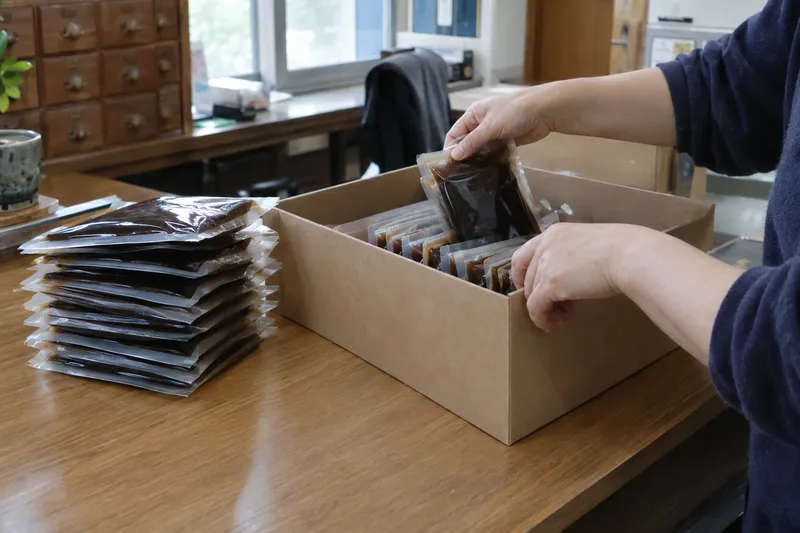
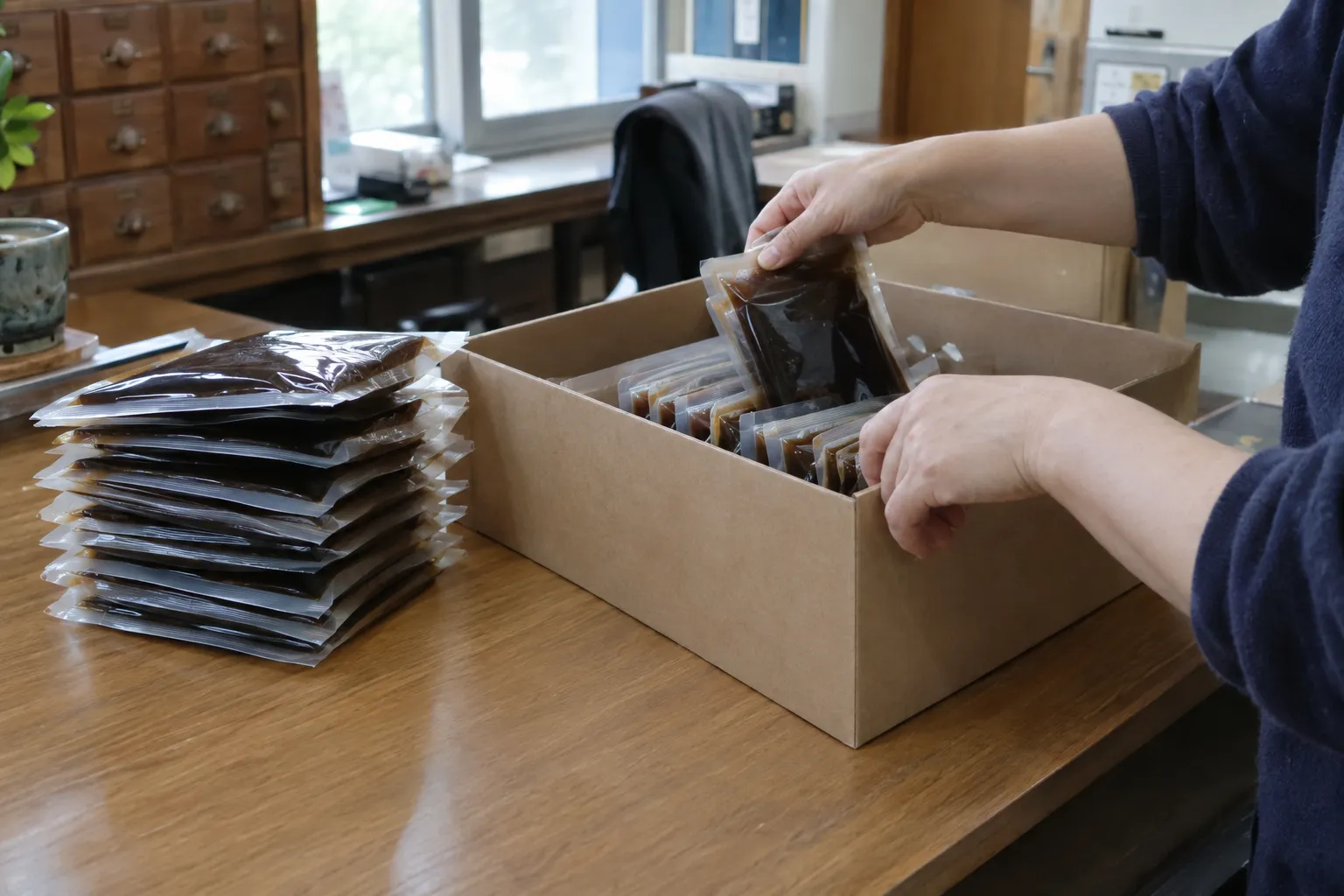
- Preparations come as a decoction in sealed pouches, as concentrated granules, or as pills. Granules and pills travel better.
- Herbal ingredients used in clinics are regulated by Korea's food and drug authority, which is not the same as the supplement aisle of a shop.
- Ask for the component list in writing. You need it for customs, for your own doctor, and for your own records.
Safety: the three conversations worth having
- Interactions. Herbal preparations interact with prescription drugs, including blood thinners, thyroid medication and antidepressants. Bring a list of everything you take, including supplements, to the first consultation.
- Liver and kidneys. Herbal and dietary products are a recognised cause of drug-induced liver injury internationally. Symptoms such as yellowing skin, dark urine or persistent nausea are a reason to stop and see a doctor, not to push through.
- Pregnancy, breastfeeding and fertility treatment. Say so before anything is prescribed, and do not assume a herbal product is gentle by default.
Acupuncture in a licensed clinic uses single-use sterile needles. Ask if you want to see the package opened; it is a normal request and nobody is offended.
One more thing worth knowing: cupping and moxibustion leave marks and, occasionally, small burns if a practitioner is careless. Say if anything feels hot rather than warm. Korean clinics are used to patients speaking up, and a quiet foreign patient is the one most likely to be left a minute too long.
What visitors usually book, and what they get out of it
Most people who walk into a hanbang clinic with our interpreters are there for one of four things: a back or neck that seized up on the flight, chronic fatigue they want looked at differently, digestion that has not settled, or a diet programme.
- A single acupuncture and cupping session is a one-hour appointment and needs no planning. The estimated range is on our acupuncture and chuna page.
- Chuna manual therapy is hands-on and can feel firm. Tell the practitioner about any spinal condition, implant or osteoporosis first.
- Cupping leaves circular marks for several days. Plan around photographs and swimming pools.
- A herbal course is a month-long commitment, so it is worth the consultation before you decide.
- If you want both systems, book the medical checkup first, so the hanbang doctor is working with facts.
What a full checkup covers is on our health checkup page, and the rest of the traditional menu is on Korean medicine. If you would rather have it narrowed down for you, clinic matching takes about two minutes.