Korean herbal weight loss programmes: what is in the pouch, and what to ask
Written by KCODI medical interpreter team · English deskUpdated · 7 min read

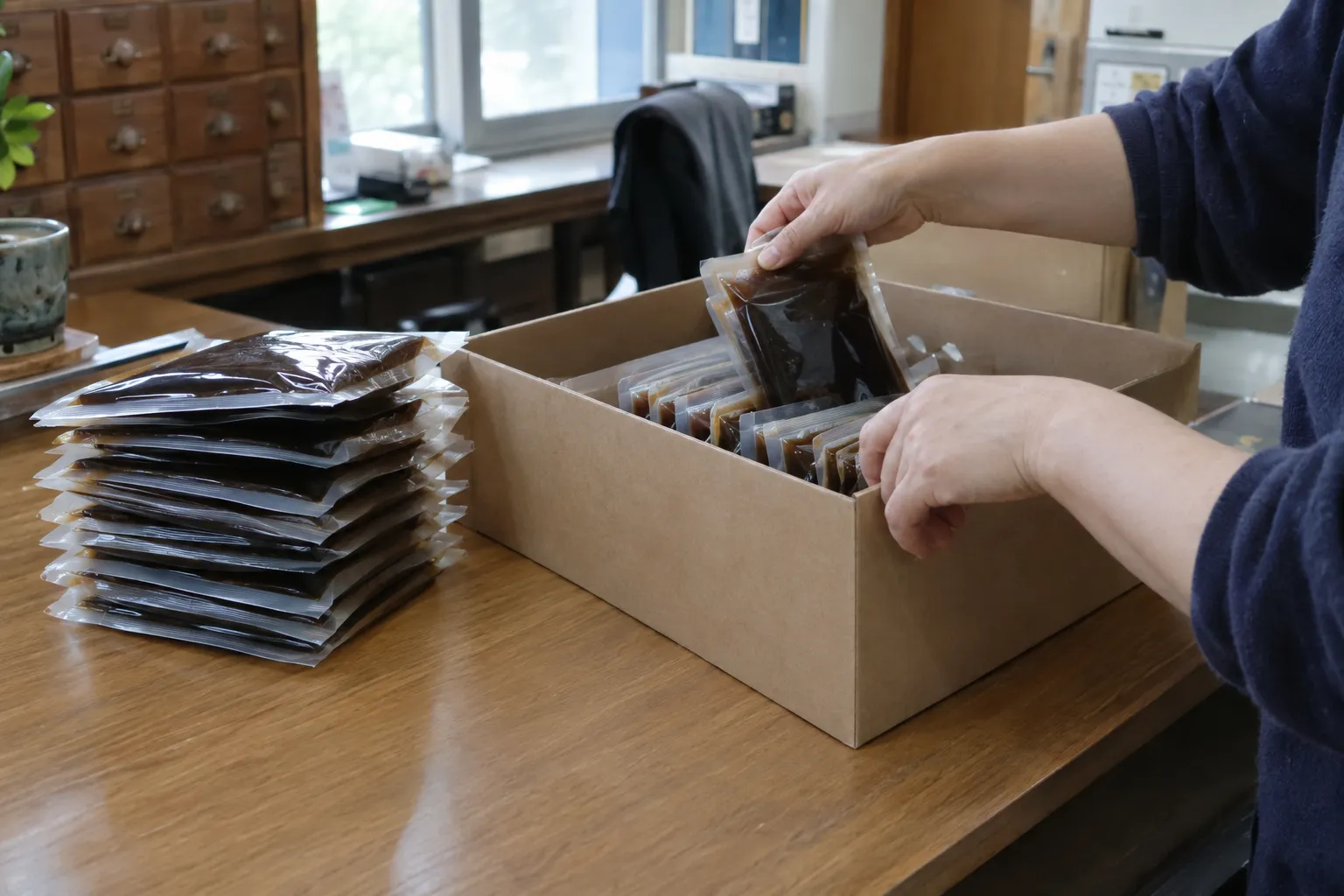
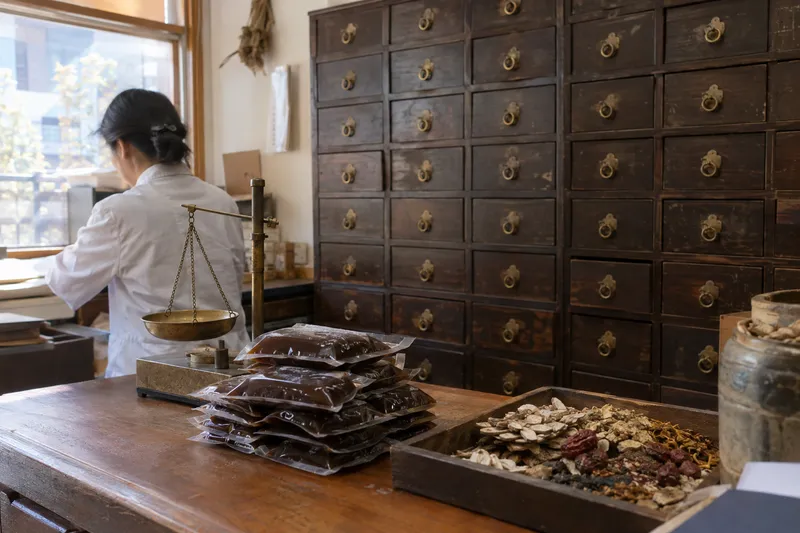
Korean herbal medicine weight loss programmes are one of the most searched things in Korean medicine, and one of the least explained in English. What you buy is a consultation with a licensed Korean medicine doctor, a prescription mixed for your case, and usually a month of sealed pouches you drink twice a day.
Nobody at the counter will tell you what is in them unless you ask, and the ingredient list is the part that matters most, because some traditional slimming herbs are stimulants and some are restricted in other countries.
This is how the programme is structured, the questions our interpreters ask in the room, and the customs problem that catches people at their home airport rather than at Incheon.
What the programme actually consists of
A Korean medicine doctor (한의사) holds a separate national licence from a medical doctor and trains for years in a parallel system. The consultation is longer than you expect and covers sleep, digestion, cold hands, stress and appetite pattern before anything is prescribed.
| Part | What happens | How often |
|---|---|---|
| First consultation | History, pulse and tongue examination, body composition measurement | Once |
| Herbal decoction (탕약) | A prescription mixed for you, sealed in single-dose pouches | Usually twice daily for a month |
| Acupuncture | Body or ear points, aimed at appetite and digestion | Weekly, if you are in Korea |
| Follow-up | Adjusting the prescription to how you responded | Every two to four weeks |
| Diet and habit coaching | Meal structure, timing, alcohol | At each visit |
The estimated price range per month is on our herbal diet medicine page. A programme is priced as a course, so ask what a second month costs before you start the first.
The ingredient question nobody asks
Korean slimming prescriptions are individualised, so there is no fixed recipe. What they often share is a stimulating component intended to suppress appetite, and that is the line worth reading.
- Ask for the prescription components in writing, in Korean and in English if possible.
- Say every medication you take, including the contraceptive pill, thyroid medication and anything for blood pressure or mood.
- Mention caffeine habits honestly. Stimulant on stimulant is where palpitations and insomnia come from.
- Tell them if you are pregnant, trying to be, or breastfeeding. That changes everything.
- Ask what side effects would mean stop and call, rather than push through.
The customs problem
A month of Korean herbal medicine drink pouches is heavy, liquid and unlabelled in your language. Every country writes its own rules about importing herbal preparations and animal-derived ingredients, and airport officers apply them to the box in front of them.
- Check your own country's customs and health authority rules before you buy a course, not after.
- Ask the clinic for a labelled ingredient list and a copy of the prescription to carry with the box.
- Ask whether a concentrated pill or granule form exists. It is lighter, easier to declare and easier to store.
- Declare it if your country requires declaration. An honest declaration is a conversation; an undeclared box is a confiscation.
- Remember pouches are liquid, so they travel in checked luggage.
What to expect, honestly
Korean medicine clinics do not promise a number, and you should be wary of anyone who does. What the doctors describe is appetite suppression, better digestion and support for a diet you are also following.
- The decoction tastes bitter and strong. Most people get used to it in a few days; some never do.
- Thirst and dry mouth are commonly reported, particularly with stimulating prescriptions.
- Sleep can be affected if the evening dose is taken late. Ask about timing.
- The diet and habit part is not decoration. The prescription is meant to make that part easier, not to replace it.
- Stopping and restarting a month later is normal. Ask what the plan is after the course ends.
What the first consultation is actually like
It is longer and more personal than most people expect. You stand on a body composition scale, the doctor takes your pulse at both wrists, looks at your tongue, and then asks about things that sound unrelated to weight.
- Sleep: when you fall asleep, whether you wake, whether you dream heavily.
- Digestion: bloating, bowel habit, whether cold food bothers you.
- Temperature: cold hands and feet, night sweats, where you feel heat.
- Appetite pattern: whether you snack late, whether stress makes you eat more or less.
- Cycle and energy, and what you have already tried.
Those answers are how the prescription gets built, so vague answers produce a vague prescription. This is also where the language gap costs you the most, because the vocabulary is specific and a translation app flattens it. Your interpreter's job here is not only to translate the words but to make sure the doctor hears the version of your history you would give in your own language.
The other route: Korean obesity clinics
Korean medicine and Western medicine are separate systems here, with separate licences. If you want appetite medication, injections or a metabolic workup, that is a medical clinic, not a Korean medicine clinic, and the two do not prescribe each other's treatments.
Some people book both: a checkup with bloods first to find out whether anything medical is driving the weight, then a decision about which route to take. What a checkup covers is on our comprehensive checkup page.
Whether traditional treatment is right for you at all is a fair question, and we have answered it as evenly as we can in does Korean herbal medicine work. To see the rest of the menu, visit our Korean medicine page or use clinic matching.