Getting LASIK in Korea: how to choose a clinic, and what SMILE does differently
Written by KCODI medical interpreter team · English deskUpdated · 8 min read

In shortThe best lasik in korea is the clinic that spends two hours testing your eyes and is willing to turn you down. Corneal thickness, dry eye and pupil size decide your procedure — the laser brand barely does.
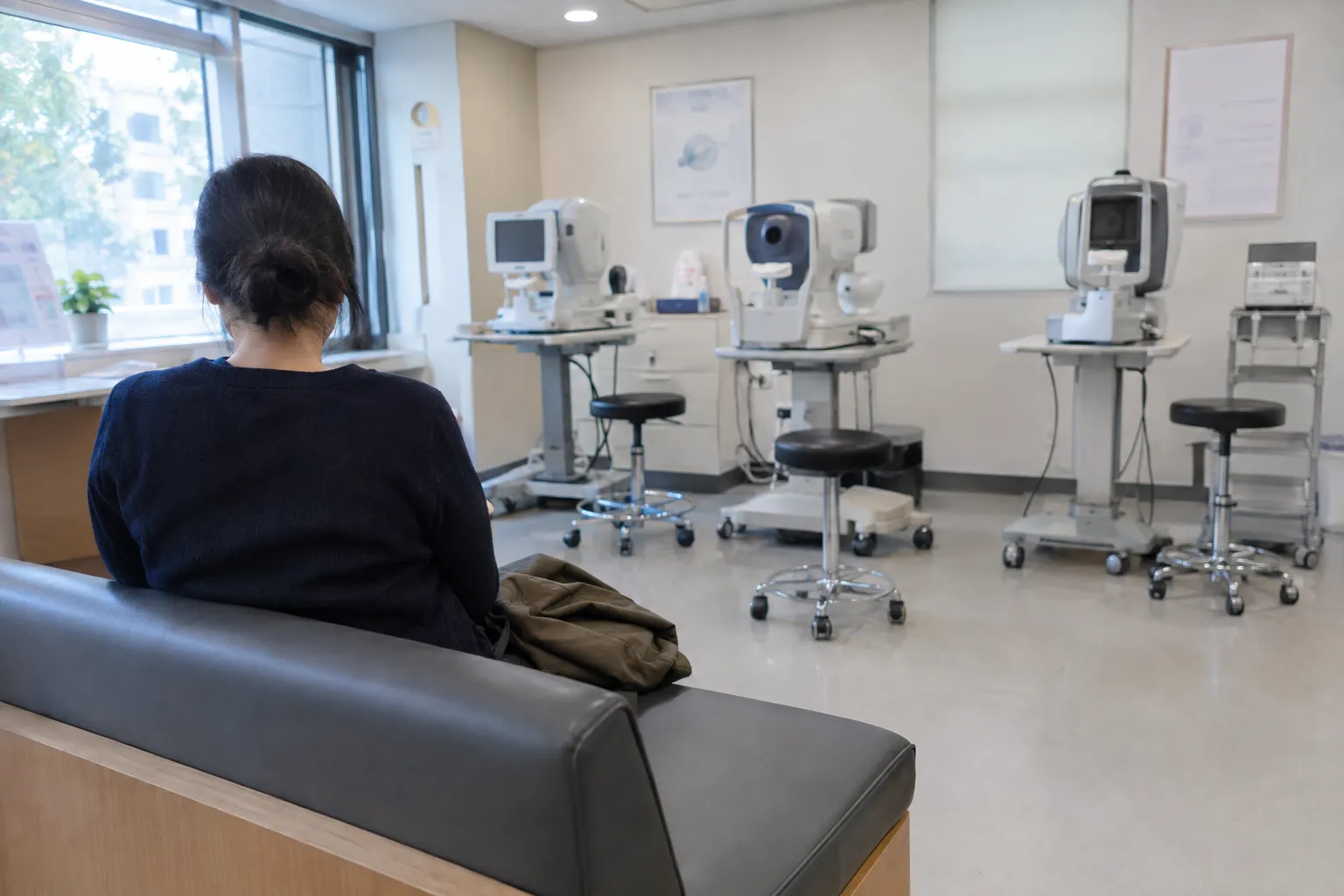
You have been in glasses since primary school, the price in Seoul is a third of what your optometrist quoted, and you have four days. Best lasik in korea is a sensible search and the answer is not a clinic name.
It is a testing protocol. Every serious eye clinic in Korea uses lasers from the same handful of manufacturers, and the machine is not what separates a good outcome from a bad one. The measurement of your cornea is.
So the selection criteria are unglamorous: how long the pre-operative examination takes, whether a specialist explains which procedure your eyes can tolerate, and whether the clinic will tell you no. A clinic that approves everyone is not confident, it is commercial.
What is the difference between LASIK, LASEK and SMILE?
All three correct vision by reshaping the cornea; they differ in how the surgeon gets to the tissue. That choice is driven by how thick your cornea is, how dry your eyes are and what you do with your body.
| Procedure | How it works | Usually suits | Recovery pattern |
|---|---|---|---|
| LASIK | A flap is created, tissue reshaped underneath, flap replaced | Adequate corneal thickness, no significant dry eye | Vision usable next day, flap caution long term |
| LASEK / PRK | Surface treatment, no flap | Thinner corneas, contact sports, some occupations | Slower and more uncomfortable, days of blur |
| SMILE | A lenticule is shaped inside the cornea and removed through a small incision | Myopia within range, patients wanting no flap | Vision usable in days, less flap-related concern |
| ICL | A lens is implanted; the cornea is not reshaped | High myopia or a cornea too thin for laser | Different operation entirely, with its own follow-up |
A smile vs lasik korea decision therefore comes down to your measurements plus lifestyle, and a surgeon should be able to say in one sentence why they chose yours. If the answer is thin corneas or very high myopia, the korean lasik alternative is usually a lens implant rather than a different laser, and that is the ICL page.
What should the pre-operative examination include?
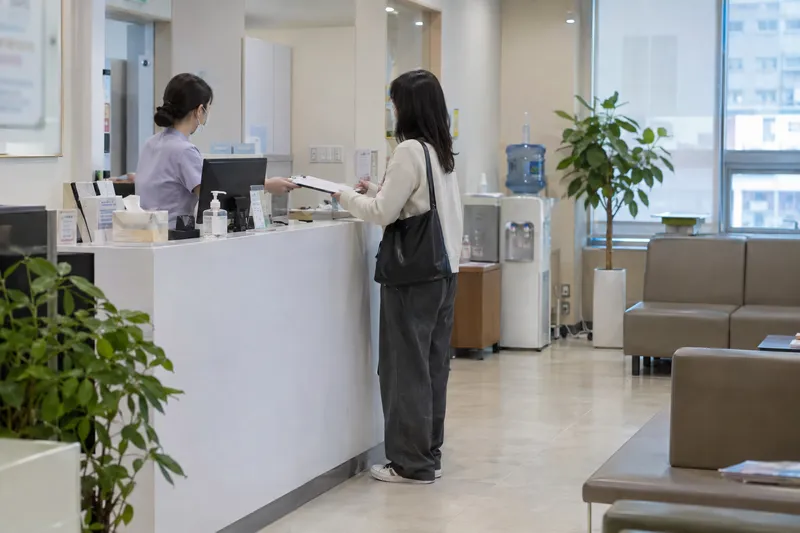
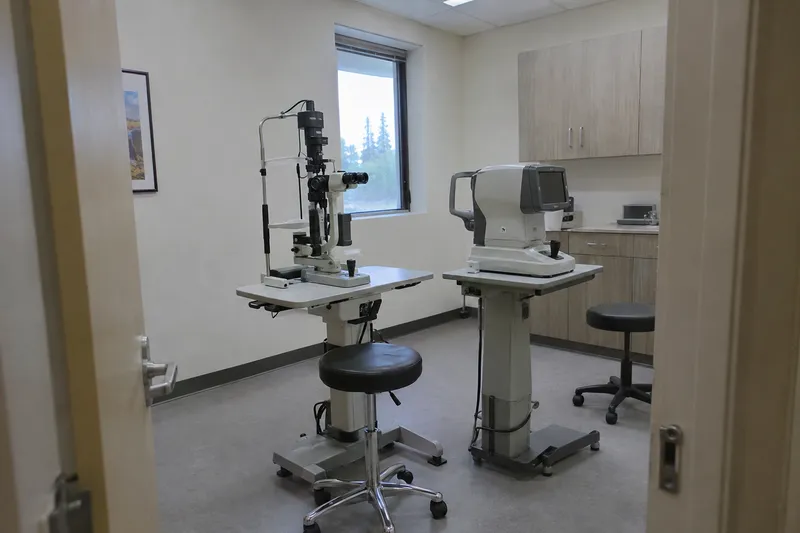
Two hours and a lot of machines. If your examination takes twenty minutes and ends with a package price, you have been sold to rather than assessed.
- Corneal topography and thickness. This is the measurement that decides which procedures are even possible.
- A dry eye assessment. Dry eye gets worse before it gets better after laser surgery, and existing dry eye changes the recommendation.
- Pupil size in the dark. Large pupils are associated with more night-time glare and halos.
- Refraction, including a dilated check, and a stability question: has your prescription changed in the last year?
- Retinal examination. High myopia carries retinal risk that laser surgery does not remove.
Stop wearing contact lenses before the examination — soft lenses for several days, hard lenses for longer, and the clinic will tell you the exact number. Turning up in lenses means the measurements are wrong and the appointment is wasted, which for a visitor means losing a day of a short trip.
How many days do I need in Korea for laser eye surgery?
Four to five days, minimum, and that assumes everything is normal. The examination is one appointment, the surgery another, and the day-one and roughly week-one checks are the ones that matter most.
- Day 1: full examination, no contact lenses, and the decision on which procedure.
- Day 2: surgery. Minutes per eye, awake, with drops. Someone should take you back to the hotel.
- Day 3: the next-day check. Vision is usually functional but not final, and light feels aggressive.
- Day 4–6: the early review, then clearance to fly. Surface treatments such as LASEK need longer before the clinic is comfortable.
- Weeks after: drops, no swimming, no sauna, no eye rubbing, sunglasses outdoors. Follow-up at home with an eye doctor who has your operation report.
What does it cost in Korea, and what makes a quote go up?
Korean prices are low by international standards, and the spread between clinics inside Seoul is wide for reasons that have nothing to do with skill.
The quote moves with the procedure, whether the clinic includes the examination and the follow-ups, how many post-operative drops are covered, and the laser generation. Bundles labelled as an all-in price sometimes exclude the very follow-up visit you flew here to have, so read the inclusions rather than the headline.
The current bracket sits on the LASIK and LASEK page, and the detailed cost breakdown for foreign patients is in LASIK cost in Korea for foreigners.
What are the honest risks, and who should not have it?
Dry eye, night glare and halos, under- or over-correction, and the small possibility of needing an enhancement later. These are recognised outcomes rather than rare disasters, and a good consultation quantifies them for your eyes rather than in general.
People who should hear no include anyone with an unstable prescription, a cornea too thin for the planned depth, keratoconus or a suspicion of it, significant untreated dry eye, and anyone who is pregnant or breastfeeding. Autoimmune conditions and certain medications change the answer too.
Being turned down in Seoul is not a wasted trip; it is the system working. Ask what the alternative is, because a lens implant often answers the same complaint. If you want us to shortlist clinics that run the full testing protocol, use the matching form or meet the interpreters first.