Alpha Seoul Eye Clinic and blepharoplasty: what the official site actually lists
Written by KCODI medical interpreter team · English deskUpdated · 8 min read

People searching alpha seoul eye clinic blepharoplasty are usually trying to confirm one thing: does this clinic do eyelid surgery, and if so, which kind. It is the right question, and the answer is not on the first page of search results.
Here is what the clinic states on its own site, how eyelid work is divided between specialties in Korea, the checks that apply at any Korean eye clinic, and a second itemised quote if you want to compare before you fly.
KCODI is a booking and medical-interpretation service. We are not affiliated with this clinic and we take no position on it.
What the official site states
The site gives the name as 알파서울안과, Alpha Seoul Eye Clinic. Despite the name, the address is not in Seoul: it is given as Alpha Dome Tower on Pangyoyeok-ro in Bundang-gu, Seongnam, Gyeonggi Province, directly connected to Pangyo Station. That is roughly forty minutes south of central Seoul by subway, and it matters if you are planning follow-up visits around a hotel in Gangnam.
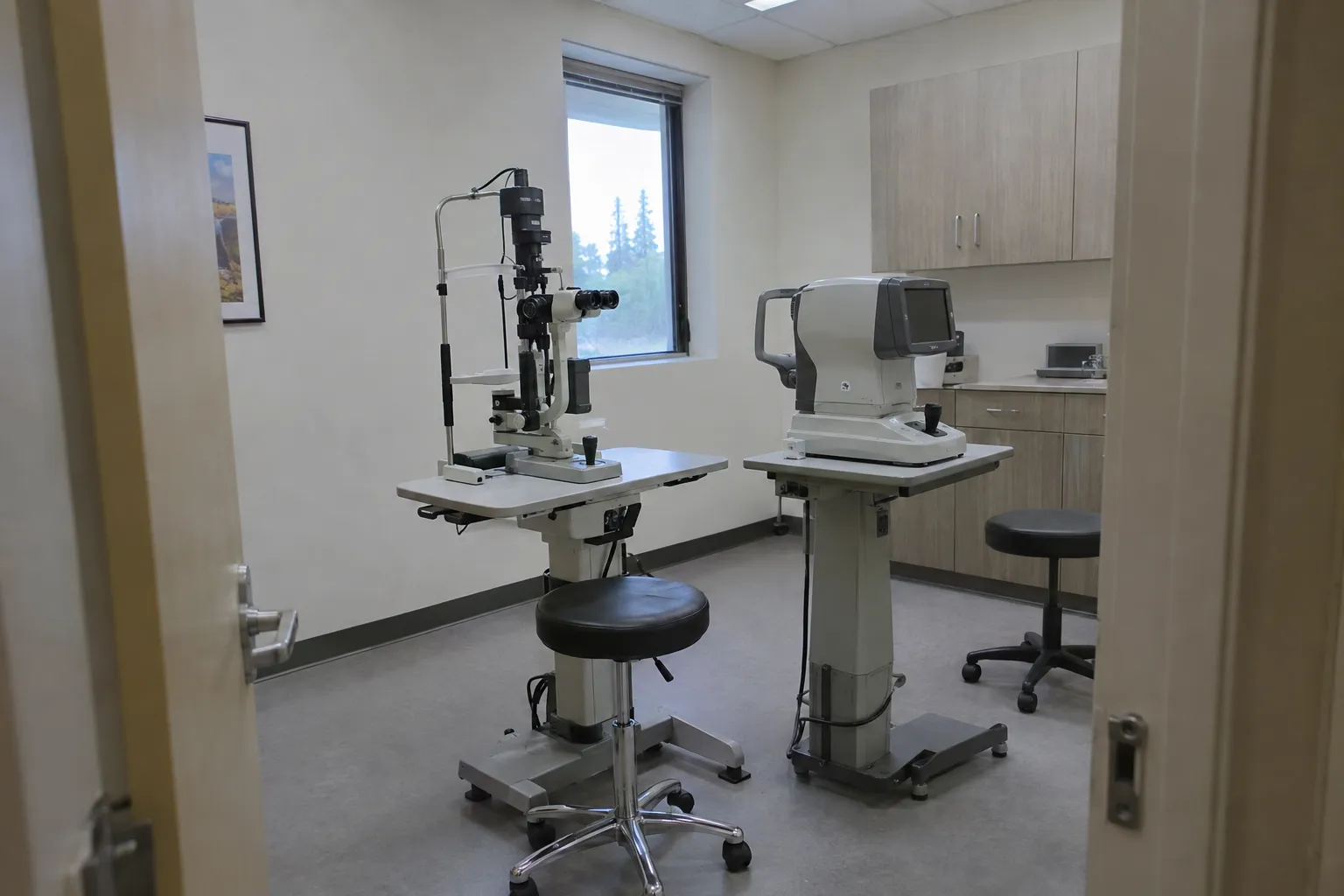
The services listed are vision correction by LASIK, LASEK and SMILE, lens implant surgery, cataract surgery, presbyopia treatment, orthokeratology lenses and dry eye treatment. Eyelid surgery, cosmetic or functional, is not among the listed services on the pages checked. The site names its examination and surgical equipment and carries an English-language version with a messenger contact for enquiries.
Those are the clinic's own statements as of the date checked above. If eyelid surgery is what you want, the honest reading is that this is a refractive and cataract practice and you should ask before travelling rather than assume the service exists. What vision correction involves and what it costs is set out on our LASIK and LASEK page.
Where eyelid surgery sits in Korea
The word blepharoplasty covers two quite different operations, and in Korea they are usually booked in different places. Sorting out which one you need is the whole task.
| What you want done | Usually handled by | What to search or ask for |
|---|---|---|
| A crease made on a young, healthy lid | Cosmetic plastic surgery clinics | Double eyelid surgery, incision or non-incision |
| Drooping lid skin that shades your vision | Ophthalmology, often an oculoplastic clinic | Upper blepharoplasty for dermatochalasis |
| A lid that will not open fully | Ophthalmology or plastic surgery, depending on cause | Ptosis correction, and ask what is causing it |
| Under-eye bags or dark hollows | Plastic surgery, sometimes dermatology for non-surgical options | Lower blepharoplasty or fat repositioning |
| Tearing, lumps or lid-margin problems | Ophthalmology | Oculoplastic or lacrimal clinic |
| Vision correction with no lid concern | Refractive eye clinics | LASIK, LASEK, SMILE or lens implant |
If your concern is the cosmetic crease rather than the lid function, our double eyelid surgery page describes the choices and the recovery.
Six checks before booking any Korean eye clinic
- Confirm the exact service in writing before booking a flight. A messenger reply naming the procedure is enough, and it prevents the most common wasted trip.
- Ask how long the pre-operative examination takes and whether it can be done the same day as surgery. For refractive work it usually cannot, because contact lenses must be out for days beforehand.
- Ask which follow-up visits are compulsory and on which days. That schedule, not the surgery, decides how long you stay in Korea.
- Ask whether the surgeon who examines you is the surgeon who operates, and get the name written on the quote.
- Ask for the quote itemised: examination, surgery, lenses or implants where relevant, medication, and each follow-up visit shown separately.
- Ask whether the clinic is registered to attract and treat foreign patients, and verify it yourself on the official list rather than taking the answer on trust.
How to check a Korean clinic's registration and licence yourself, step by step, is in checking a clinic licence in Korea.
Reading eye clinic reviews without being misled
Eye clinics collect reviews at the moment of maximum relief: a day after surgery, when someone can read a sign without glasses for the first time. That is a real experience and a poor predictor of the next ten years.
- Look for reviews written months later, especially about night glare, halos and dry eye. Those are the complaints that arrive late and they are the ones worth reading.
- Ignore comparisons between procedures written by patients. Which operation suits you is decided by corneal thickness, prescription and pupil size, not by which one somebody else preferred.
- Weight process comments: whether the examination was thorough, whether anyone explained why one method was ruled out, whether the follow-up dates were clear.
- Treat any review promising a permanent outcome as marketing, whatever the star rating attached to it.
For a sense of how a different Korean eye clinic presents the same services, see Bright Eye Clinic.
Price the same plan at a second clinic
Eye surgery quotes vary by device, lens and how many follow-up visits are bundled in, which makes headline comparisons useless and itemised ones revealing. One message gets you the second list.
If you are still deciding between procedures rather than between clinics, clinic matching narrows it down in about two minutes.
If you book a clinic outside Seoul anyway
Pangyo is a comfortable place to have an operation and an awkward place to stay if you booked a hotel for the rest of the trip. Two decisions make it work.
- Stay near the clinic for the nights with a compulsory morning visit, then move. Crossing the city with a patched eye or blurred vision at rush hour is worse than moving your luggage once.
- Get the follow-up dates written down before you book the hotel, not after. Eye clinics schedule the day-one check at a fixed hour and it is rarely movable.
Whoever goes with you should be the same person each visit. Continuity is most of what an interpreter is for, and you can see how ours work on the interpreters page.