Exosome treatment in Korea: what is in the vial, and what it can honestly do
Written by KCODI medical interpreter team · English deskUpdated · 8 min read

In shortIn Seoul, exosome treatment is almost always an add-on: a vial pressed into skin that a microneedling pen or laser has just opened. It is not an approved injectable drug, and the human evidence is still small.
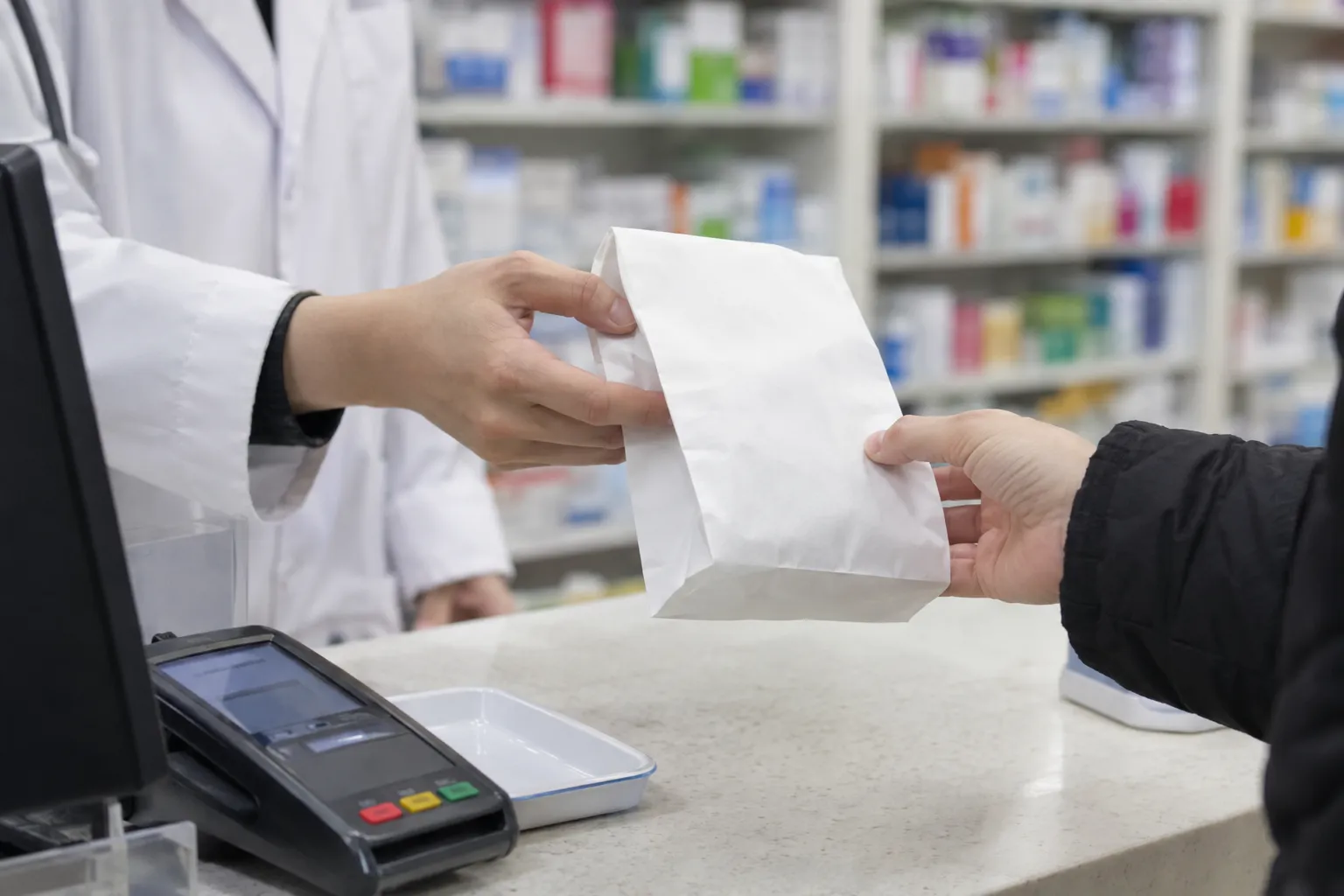
Your dermatologist at home has probably never mentioned exosomes. Almost every Gangnam clinic menu lists them. That gap is why people search exosome treatment Korea and come back with three quotes that do not describe the same thing.
Our interpreters sit in these consultations several times a week. The question that changes the answer is never which brand. It is one word: injected, or applied? Clinics answer that differently, and the price, the risk and the aftercare all move with it.
This guide sorts out what an exosome vial is, how Seoul clinics actually use it, what the published human studies say, and the four questions that get a straight answer at the counter.
What is an exosome treatment, and what is in the vial?
An exosome is a tiny membrane sac that a cell releases to send signals to other cells. In aesthetics the term is used loosely for products made from extracellular vesicles — usually derived from cultured stem cells or, in some Korean products, from plant or milk sources. On a Korean menu you will see 「exosome (엑소좀, exosome)」, sometimes written as "EXO" or as a brand name such as ASCE+.
This matters because the vial is not one thing. Two clinics can both write "exosome" on the quote and be selling a cosmetic ampoule and a very different product. The label on the box tells you which. Your interpreter asks to see it before the tray is opened.
| On the menu | What it usually is | How it is used | Commonly chosen for |
|---|---|---|---|
| Exosome ampoule after microneedling | A cosmetic-grade vesicle solution | Pressed into channels made by a microneedling pen | Texture, redness, post-laser calming |
| Exosome after laser or MTS | The same kind of ampoule | Applied while the skin barrier is open | Downtime shortening, pigment-laser recovery |
| Exosome + PDRN or HA booster | Two products in one visit | Ampoule on top, injection underneath | People wanting repair and hydration together |
| Scalp exosome | Vesicle solution for the scalp | Applied or micro-needled into the scalp, sometimes with a hair injection | Shedding, thinning, post-transplant care |
| Home-care exosome serum | A cosmetic you take away | Applied at home | Maintenance. Not comparable to a clinic session. |
Are exosomes injected in Korea, or applied to the skin?
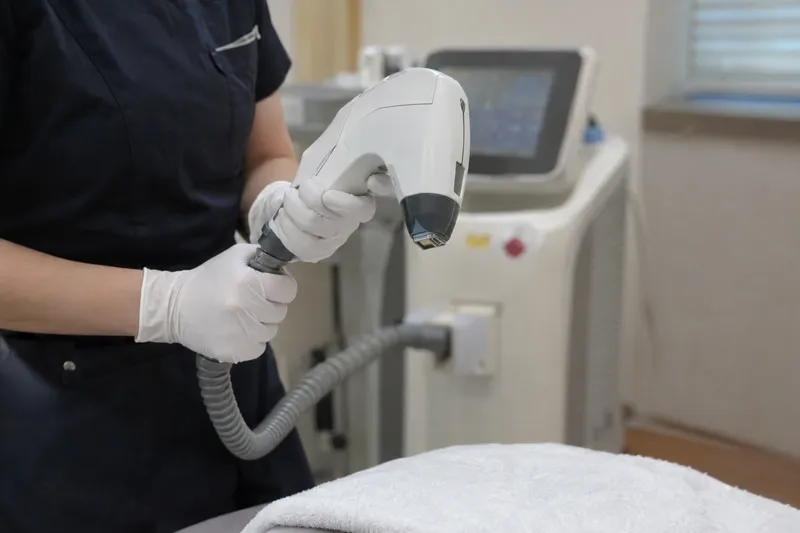
In Seoul, almost always applied — not injected. The standard sequence is a microneedling pass or a laser, then the ampoule pressed in while the channels are still open, then a soothing mask. Clinics that describe "exosome injection" usually mean an injection of something else (a skin booster) with the ampoule on top.
The regulatory background is the reason, and it is worth knowing before you travel. The US FDA has published a consumer alert stating that it has not approved exosome products for these uses and warning about unapproved regenerative-medicine products. Korea regulates biologics through the Ministry of Food and Drug Safety, and the ampoules most clinics use are registered as cosmetics, not as drugs.
So the honest framing is this: you are paying for the microneedling or the laser, plus an ampoule that may help the skin settle faster. A clinic that promises stem-cell regeneration from a topical vial is overselling. A doctor who says "this helps recovery and I will tell you if it is worth repeating" is being straight with you.
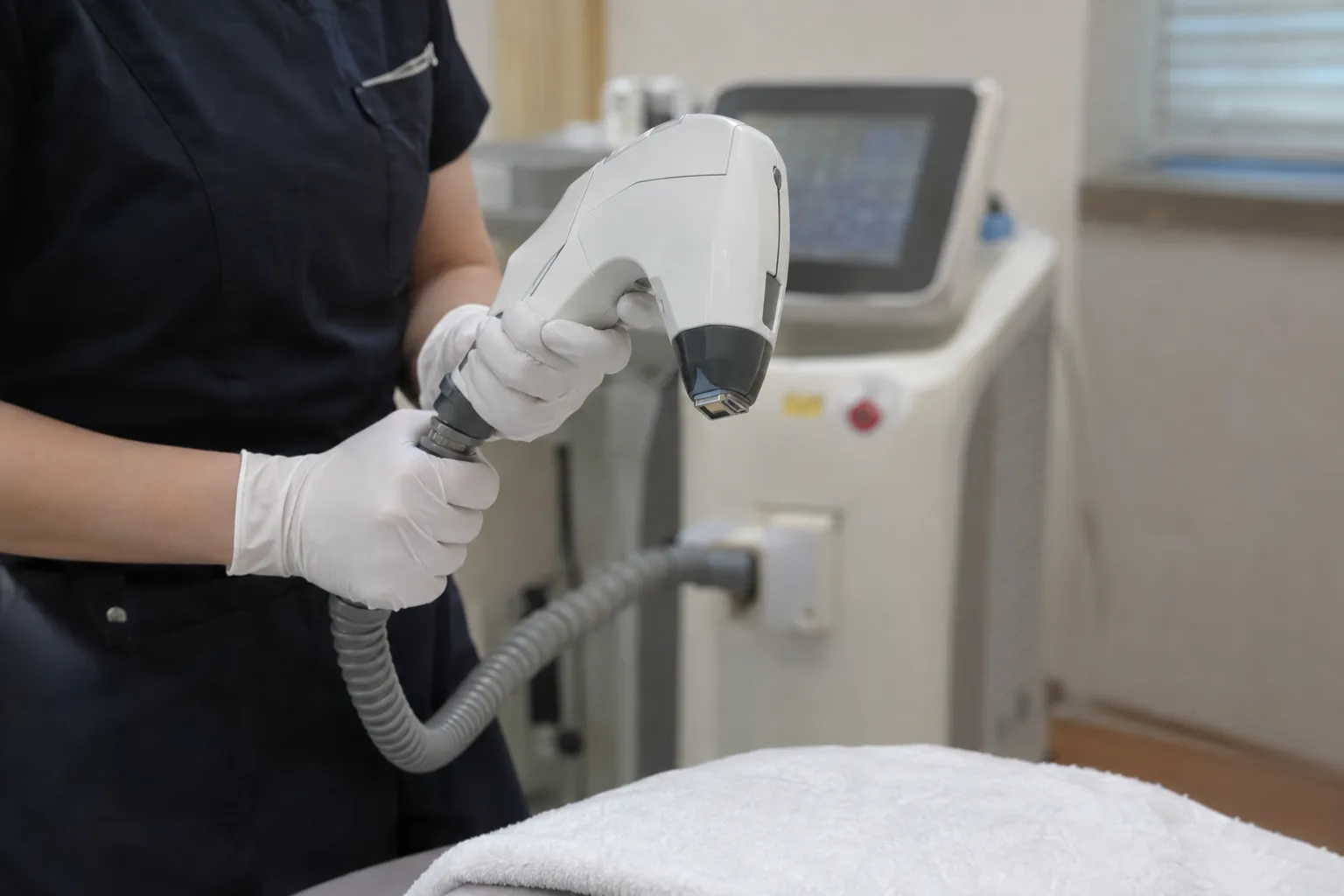
What results do Korean exosomes actually give?
Modest, gradual and mostly about texture and redness — and the published human evidence is still thin. A 2026 systematic review of human studies on exosome-based skin rejuvenation found improvements reported across small trials, with the reviewers noting inconsistent protocols and short follow-up. That is the same thing a careful Seoul dermatologist will tell you in the room.
What our interpreters hear from patients afterwards is consistent: less angry redness the day after a laser, skin that feels smoother in about two weeks, and no dramatic change visible in photographs. People who expected a filler-level difference are disappointed. People who booked it as post-laser care are happy.
This is also the honest answer to what you read in Reddit threads about exosome results in Korea. The enthusiastic posts are usually describing a whole treatment day — laser, booster, ampoule, mask — and crediting the ampoule. Ask which single item you would drop if the budget were cut. Most doctors would keep the laser.
Face or hair: does the same vial work for both?
No — the delivery changes, and so does what you should expect. On the face the ampoule follows microneedling or a laser. On the scalp it is usually needled in, often alongside a separate hair injection, and it is positioned as support for thinning or post-transplant recovery rather than as a treatment for pattern hair loss.
If hair is the reason you are travelling, read our guide to non-surgical hair loss treatment in Korea first. Scalp exosome sessions are often added to a plan that also includes an approved oral or topical medicine, and the medicine is doing most of the work.
For face work, exosomes compete for the same slot as a hyaluronic acid booster or a polynucleotide injection. Our page on Rejuran and skin boosters shows the typical price range and the visit shape, and the comparison in Juvelook, skin boosters and exosomes explains where each one sits.
What should I ask before I pay for an exosome add-on?
Four questions. Our interpreters ask them in Korean at the counter, because the English menu almost never contains the answers.
- Which product exactly, and can I see the sealed box? Write the name on the quote.
- Is it injected or applied to the skin? If applied, what opens the skin first — a pen, a laser, or nothing?
- How much of the price is the device pass and how much is the ampoule? Ask for the two lines separately.
- Is the ampoule registered as a cosmetic or as a drug in Korea? A clinic that cannot answer this is a clinic to leave.
- What is the plan if my skin stays red for more than three days, and who do I contact at 10pm?
How do I fit an exosome session into a short Seoul trip?
Early, and never on the day you fly home. A microneedling-plus-ampoule session leaves the face pink for a day, sometimes two, with pinpoint scabbing if the needles went deep. Book it in the first half of your stay so you are still in Seoul if anything worries you.
Order matters more than people expect. Most dermatologists put the pigment or resurfacing laser first and the ampoule last in the same visit. If you also want a booster injection, many will separate the two by a few days. A gentle Korean facial near the end of the trip is a reasonable finish; a strong peel is not.
KCODI books at the local partner rate Korean patients use, with the itemised quote in writing before any deposit, and a medical interpreter with you in the room at no cost. You can meet the interpreters who cover skin clinics, browse every treatment on the Korean skin clinic page, or answer four questions in clinic matching and let us shortlist for you.