Korean microneedling is three different treatments wearing one name
Written by KCODI medical interpreter team · English deskUpdated · 8 min read

Korean microneedling is on almost every skin clinic menu in Gangnam, usually two or three times on the same page at different prices. That is not padding. The treatments underneath the word are genuinely different, and the lowest and highest lines on that page are not the same procedure at a discount.
All of them work by making controlled channels in the skin so it repairs itself. What changes is how deep, whether heat is added, and who is allowed to hold the handpiece. Those three variables decide the result, the downtime and the price.
Here is the sorting, plus the questions that actually protect you at the counter.
Three devices, three jobs
| Version | How it works | Usual target | Downtime |
|---|---|---|---|
| Roller or stamp, often sold as MTS | Shallow channels, frequently paired with a serum | Texture, glow, superficial work | Redness for hours to a day |
| Motorised pen | Adjustable depth, more even than a roller | Texture, mild scarring, pores | A day or two of redness and flaking |
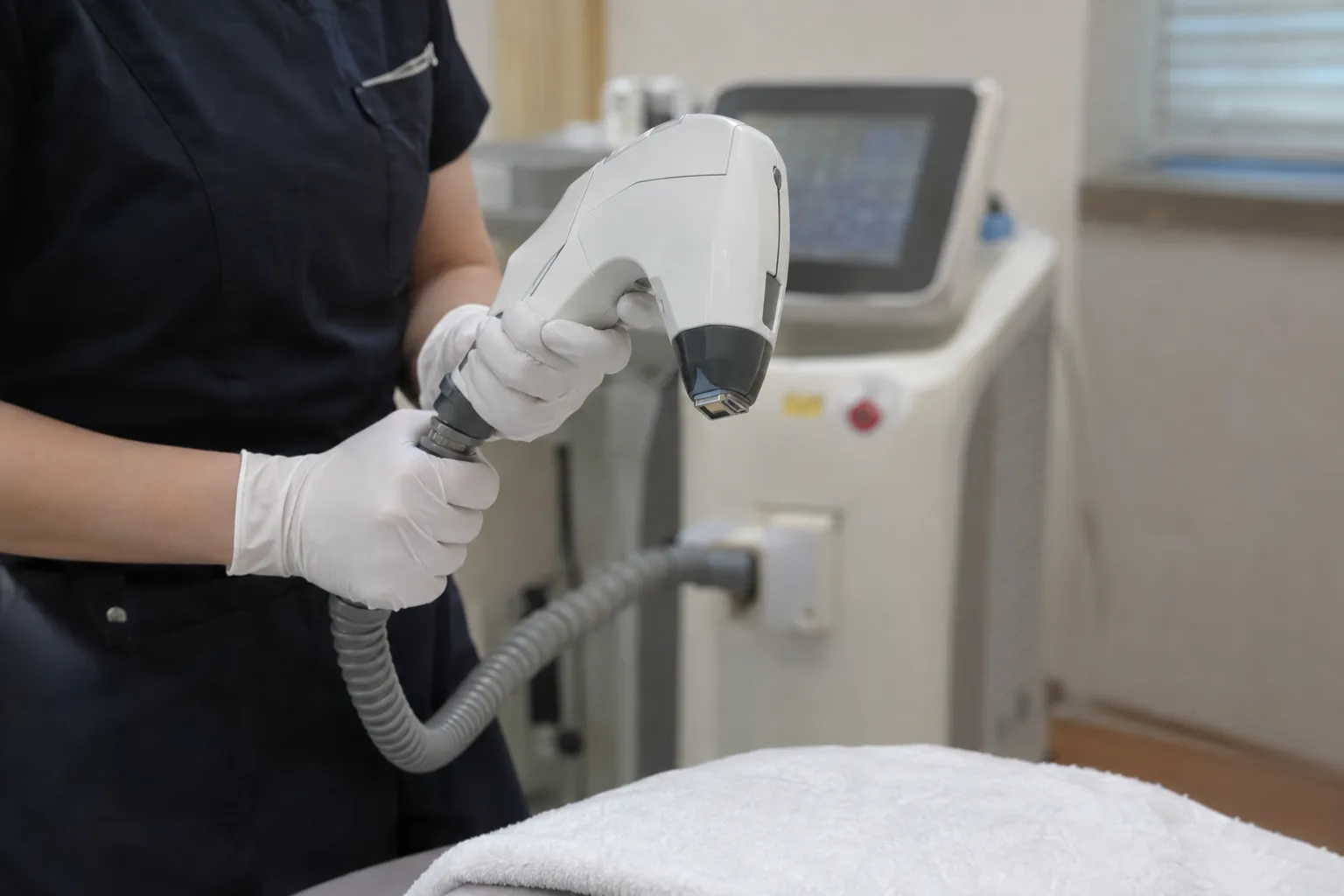
| Radiofrequency microneedling | Needles deliver heat at a set depth | Deeper scarring, laxity, oily thickened skin | Several days, sometimes with swelling |
The third row is where the named devices live, and where the prices jump. Heat delivered under the surface is a different intervention from a needle alone, which is why it is a doctor's decision rather than a menu choice.
It is also worth separating from the ultrasound and monopolar tightening machines, which do not use needles at all. Those are compared in ultherapy vs thermage in Korea, and the lifting menu sits on the ultherapy page.
What it is genuinely good at
- Indented acne scars, particularly the shallower rolling kind, over a course rather than a single visit.
- Overall texture and enlarged-looking pores, where results are modest and cumulative.
- Thickened, oily skin that tolerates heat well, in the radiofrequency versions.
- Preparing skin to hold a result, which is why Seoul clinics often schedule it as part of a series rather than alone.
And what it is not for: active inflamed acne, which needs a medical plan first and can be made worse by needling; melasma, which reacts badly to heat; and anything on skin that is currently irritated. Korean acne treatment for active breakouts covers the order these have to be done in.
Why Seoul prices look the way they do
Clinics here price by device because the device is the capital cost, and named radiofrequency platforms carry a per-session consumable as well. That is why a branded treatment and a generic pen session can sit on the same menu with a large gap between them.
- Which device, by name. Ask; the machine is what you are paying for.
- How many passes and over what area. Face only, or face and neck, is a different line.
- Whether a doctor or a trained therapist performs it. Both exist here and the price reflects it.
- Session count. Almost every plan worth doing is a course, and a single trial session costs more per session.
- Anything added afterwards, such as a booster or an infusion, which is priced separately.
The range these treatments land in is shown on the Korean acne scar treatment page, and the wider comparison by downtime and visit count is in Korean skin treatments compared.
Safety, in plain terms
Done properly this is a low-drama treatment. The problems that do occur are predictable and mostly avoidable, and they are worth naming out loud before you agree.
- Infection, if hygiene or aftercare slips. Single-use tips should be opened in front of you.
- Pigment change afterwards, which is more likely in deeper skin tones and after too much heat. Say so if you pigment easily.
- Tracks or texture changes from a device used too deep or dragged.
- Flare-ups if there is active acne or cold sores, which is why the doctor should ask about both.
- Disappointment from a single session, which is the most common outcome of all and entirely preventable by asking about the course.
Sun protection afterwards is not optional, and it is the step visitors drop first because they are sightseeing. Pigment problems produced that way then take months to undo. Seoul skin makes the case for the boring layer.
Fitting it into a trip
Book the first session early in the trip. Redness and flaking are unremarkable but they are visible, and the radiofrequency versions can swell for a couple of days. Nothing strong belongs in the last forty-eight hours before a flight or an event.
If you can only come once, say so at the consultation. A doctor planning for one visit chooses differently from one planning a course, and the honest version of that conversation is worth more than an extra session you will never attend.
Aftercare is short but not optional. Most clinics ask you to keep the skin clean and simple for a few days, skip acids and retinoids, avoid heat and saunas, and use sunscreen properly once the surface has closed. On a holiday that means planning around a hot spring afternoon rather than discovering the restriction at the counter.
One last thing worth asking, because it is specific to Seoul: many clinics offer to infuse a product into the channels immediately afterwards, and it is priced as an add-on. Ask what it is, whether it is intended for injection into skin, and whether the doctor is choosing it for your concern or offering it to everyone that day.
Browse the whole menu on the Korean skin clinic page, see how to pick a doctor-led clinic in the best skin clinic in Seoul for foreigners, let clinic matching shortlist clinics in two minutes, or meet the interpreters.