Ultherapy vs Thermage, plus Oligio, Onda and Inmode: which lifting treatment tightens, which causes fat loss, and what a bad result looks like
Written by KCODI medical interpreter team · English deskUpdated · 9 min read

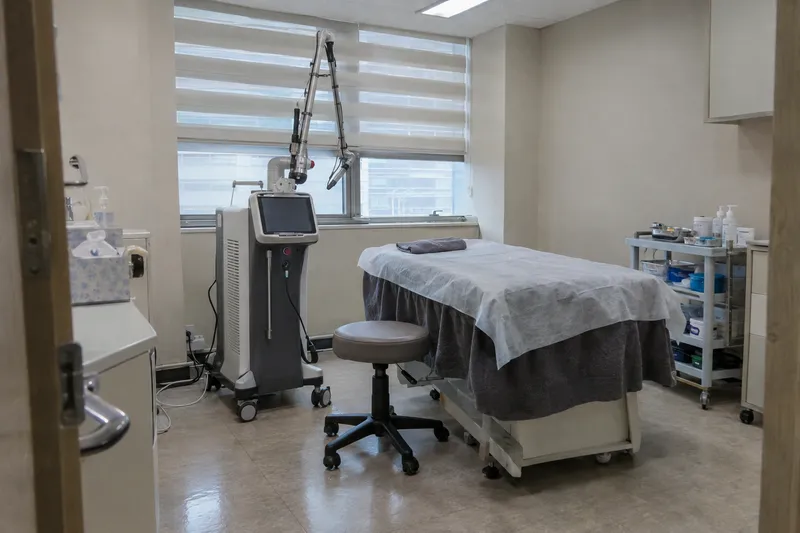
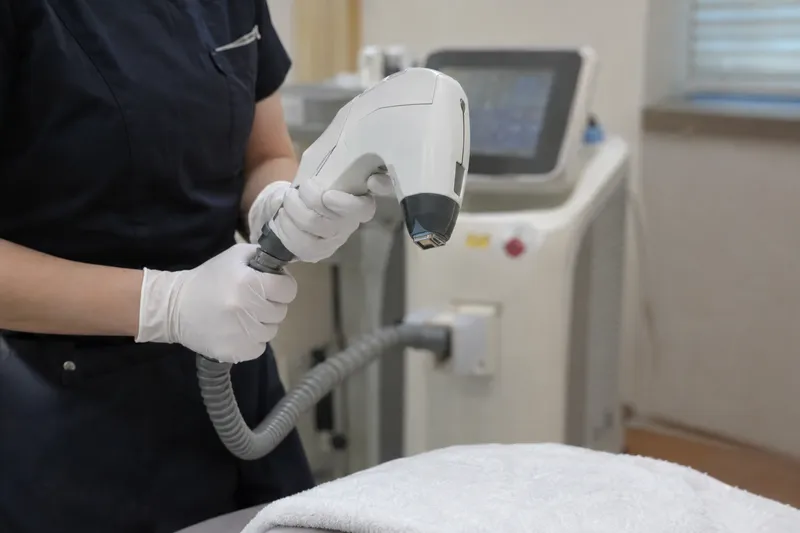
Ultherapy and Thermage get sold side by side on every Gangnam clinic menu, often in the same package, and the counter staff will happily book you for both. They are not interchangeable. Ultherapy is focused ultrasound aimed at a deep layer; Thermage is radiofrequency that heats the whole dermis and the fat below it.
Our interpreters sit in on these consultations weekly, and the useful question is never which machine is better. It is which layer your face actually needs heated, and whether you can afford to lose any fat there.
This guide compares both against the Korean devices you will see on the same price list — Oligio, Onda and Inmode — and covers the side effects people search for by name.
Different depths, different jobs
| Device | Energy | Target depth | Best at | Sessions |
|---|---|---|---|---|
| Ultherapy | Micro-focused ultrasound | Deep, down to the muscle fascia layer | Lifting a heavy jaw edge and brow, tightening deep support | Usually one, repeated after 1–2 years |
| Thermage | Monopolar radiofrequency | Broad, across the dermis and into fat | Skin tightening, texture, crepey skin over a wide area | Usually one, repeated after 1–2 years |
| Oligio | Monopolar radiofrequency | Similar to Thermage | Same job as Thermage, a Korean-made alternative | One, sometimes staged |
| Onda | Microwave (coolwaves) | Fat layer | Localised fat and cellulite on body areas | 3–4, weeks apart |
| Inmode | Bipolar radiofrequency, some with a small cannula | Dermis and, in the invasive version, under the skin | Double chin and jawline fat plus tightening | 1 invasive, or several non-invasive |
The one-line summary a Seoul doctor will give you: ultrasound lifts, radiofrequency tightens, microwave and the invasive radiofrequency handpieces reduce fat. If you want two of those things, that is two treatments, not one machine.
Does thermage melt fat, and is thermage fat loss a real risk
This is the question behind most thermage searching, and the answer is a qualified yes. Radiofrequency heats the dermis and the fat beneath it. In faces with little fat to spare, aggressive settings can reduce facial volume, and the effect reads as hollow cheeks or a gaunt temple rather than a lifted face.
That is what almost everyone means when they write that thermage ruined my face. Not a burn, not a scar: a thinner face that they did not ask for, in someone who was already slim. Korean dermatologists screen for it by pinching the cheek and looking at your age and weight history, and a careful one will lower the energy or send you to a volume treatment instead.
Onda and the invasive Inmode handpieces do the opposite on purpose: they are aimed at fat, which is why Inmode is often discussed for a double chin. That is a reasonable use. Using a fat-reducing device on a thin face is not.
Thermage side effects, and what a bad result looks like
- Common and short-lived. Redness, warmth, mild swelling and tenderness for a few days. Small tingling or numb patches that resolve over weeks.
- Uncommon. Blistering or a superficial burn where the tip had poor contact, usually from gel or technique problems. It heals but should be seen.
- The one people fear. Volume loss in the cheeks or temples from too much energy on a thin face. It is not instant; it appears over one to three months and takes filler or fat grafting to correct.
- Rare. Temporary nerve irritation causing a weak area of expression on one side. Report any asymmetry of movement to the clinic the same week.
Ultherapy has a similar profile with a different emphasis: more discomfort during treatment, because the energy is deeper, and the same small risk of nerve irritation and of volume loss when the deep lines are treated too aggressively. Around the eyes, eye thermage and eye handpieces exist for the lid area and are done at low settings by a doctor, never by a technician.
Reading an inmode before and after, and everyone else's
Energy device photographs are the easiest to flatter. A slightly lowered chin in the after photo tightens the jaw edge on its own, and a warm-toned filter does the rest. Three checks separate a real change from a photographic one.
- Same head angle and camera height. If the chin is tucked in one photo, ignore the pair.
- At least three months between them. Collagen change is slow; anything taken at two weeks is swelling.
- One treatment named, not a stack. If the caption says thermage plus threads plus filler, the photo tells you nothing about the device.
It is also worth knowing how these are priced in Seoul. Radiofrequency and ultrasound sessions are usually charged per shot count or per zone, so two quotes can look far apart while describing the same machine at different intensities. The estimated range and visit count for lifting devices are on the laser lifting page, and the downtime comparison against threads and lasers is in Korean skin treatments compared.
How to fit one into a Korea trip
All of these are same-day treatments with no wound. Redness settles in hours to a day or two. The practical constraints are different: you will feel deep heat pulses during ultrasound, so leave a quiet afternoon afterwards, and you should not book a facial, a peel or laser hair removal on the same day.
Book them early in the trip, not on the last day, so the clinic can see you again if anything looks uneven. And if you are also considering thread lifts, space them: most Seoul clinics prefer devices first and threads two to four weeks later, so the tightening has settled before anything is repositioned. To compare clinics for your skin, start with clinic matching or read how to choose a skin clinic in Seoul.