PDO thread lifts for the face, chin and eyes: what 2 weeks after looks like, and what gone wrong means
Written by KCODI medical interpreter team · English deskUpdated · 8 min read

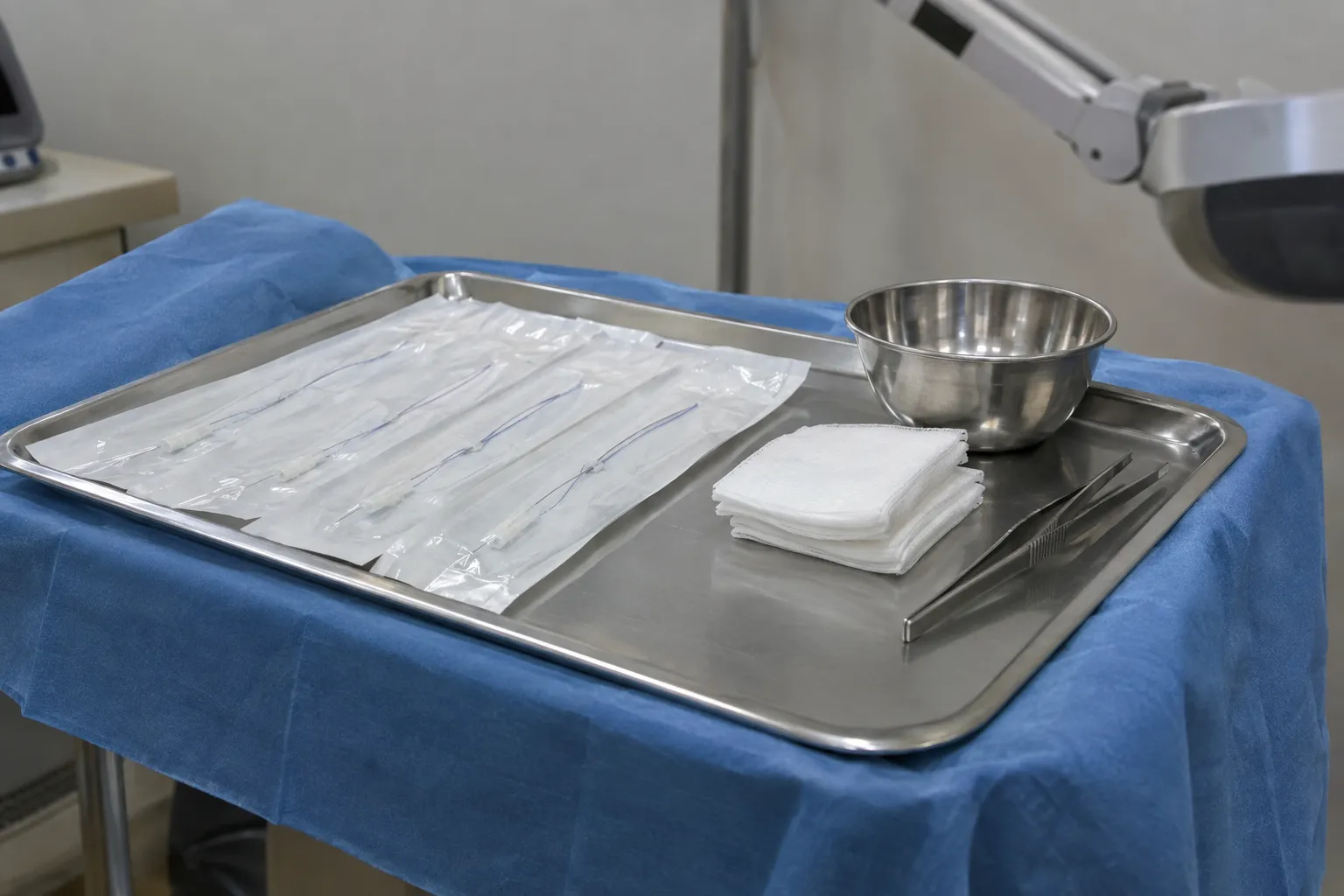
A pdo thread lift places absorbable threads under the skin through a needle or cannula. The threads carry barbs or cones that grip tissue, so when the doctor pulls, the skin moves with them. There are no incisions and you leave the same day.
What people are rarely told before booking is the timeline. The lift you see on the table is partly swelling and partly mechanical tension, and it settles over two weeks into something smaller. Our interpreters have sat through a lot of day-14 phone calls that start with "it looks like nothing happened".
This guide covers what threads do on the face, chin and eyes, how long they honestly last, what two weeks after looks like, and which problems mean you should call the clinic rather than wait.
What are threads in plastic surgery, and what do they lift
Most threads used in Korea are polydioxanone, the material of absorbable surgical stitches, sometimes in newer blends. Two families exist: barbed or cogged threads that physically reposition tissue, and plain mono threads that add no lift but provoke collagen along their path. Clinics often combine them in one session.
| Area | What it does | Downtime | Realistic duration |
|---|---|---|---|
| Mid-face and cheeks | Lifts the cheek fat pad back and up by a small amount | 3–7 days of tenderness, some dimpling | About 9–15 months |
| Jawline and chin thread lift | Sharpens the jaw edge and pulls early jowls back | 3–7 days, tightness on chewing | About 9–12 months |
| Neck | Mild tightening of early laxity | Up to a week | Under a year |
| Brow and thread lift eyes | Raises the tail of the brow a few millimetres | 2–5 days | 6–12 months |
| Mono threads (face threading) | No lift; collagen and texture only | 1–3 days | Effect builds over 2–3 months, fades after |
Note what is not in that table. Threads do not remove fat, do not change bone and do not fix heavy, loose skin. If your jawline is wide because of muscle or bone, the honest routes are in the Korean jawline guide. If the skin has genuinely dropped, a facelift is the comparison a surgeon will make.
How long do thread lifts last
The threads themselves dissolve over roughly six to nine months. The lift usually outlives them by a few months because of the collagen laid down along each thread. Across Seoul clinics the number quoted for barbed threads on the face is around nine to fifteen months, and less on thin or very mobile skin.
Two things shorten it. Heavier tissue pulls harder on the anchor points, so a fuller face releases sooner. And repeated large facial movements — big smiles, a lot of talking, chewing tough food in the first weeks — loosen the grip early. Nobody will tell you to stop smiling, but most clinics do ask for soft food and no wide yawning for two weeks.
The first 2 weeks after a thread lift
- Day 0. Tight, slightly over-lifted, small entry points near the hairline. Ice as instructed, sleep on your back with the head raised.
- Days 1–3. Swelling and bruising peak. Chewing and yawning feel restricted. Soft food, no dental work, no massage.
- Days 4–7. Tenderness at the anchor points. Small dimples or puckers where a thread grips may be visible; most smooth out.
- Week 2. Swelling is gone, so the result looks smaller than day 0. This is the real starting point, not a failure.
- Weeks 3–8. Collagen builds along the threads. Most people judge the outcome at about two months.
That day-0 to week-2 drop is the most common misunderstanding, and it is why clinics photograph you before treatment. Compare week 2 against the before photo, never against how you looked walking out of the room.
Thread lift gone wrong: what is normal and what is not
- Normal. Bruising, swelling, tightness when opening wide, tenderness at anchor points, small visible dimples in the first days, a slight asymmetry that settles.
- Call the clinic. A dimple or pucker still there after two weeks, a thread end you can feel or see poking through the skin, a hard painful lump, or one side clearly lower than the other at week two.
- Call the same day. Spreading redness, fever, pus at an entry point, or pain that increases after day three. Thread infection is uncommon but needs treatment, sometimes removal.
- Not fixable by waiting. A thread placed too superficially in thin skin can stay visible. This is a placement issue and should be assessed in person.
Most of what people call a thread lift gone wrong is either the two-week settling or a fixable puckering. Severe outcomes are rare in clinic settings, and they are the reason to have this done by a doctor in a licensed clinic rather than at a salon. Checking that a Korean clinic is licensed takes five minutes — the method is in how to check a clinic licence.
Threads, devices or surgery: choosing once instead of twice
Korean clinics tend to sort people by how much skin has actually loosened. Early laxity in the thirties and forties often responds to lifting devices, which need no downtime but work gradually. Threads give a visible change today and suit someone with a specific trip date. Genuine sagging in the fifties and later usually needs surgery, and threads on that skin disappoint.
Combining is common: a device for tightening, threads for repositioning, and a small amount of filler where volume has dropped. That is reasonable if each item is priced separately and someone explains what each one is for. Compare downtime and visit counts across all the options in Korean skin treatments compared, see the estimated range on the thread lift page, and narrow your shortlist in clinic matching.