How much braces cost in Korea, and what the quote does not say out loud
Written by KCODI medical interpreter team · English deskUpdated · 8 min read

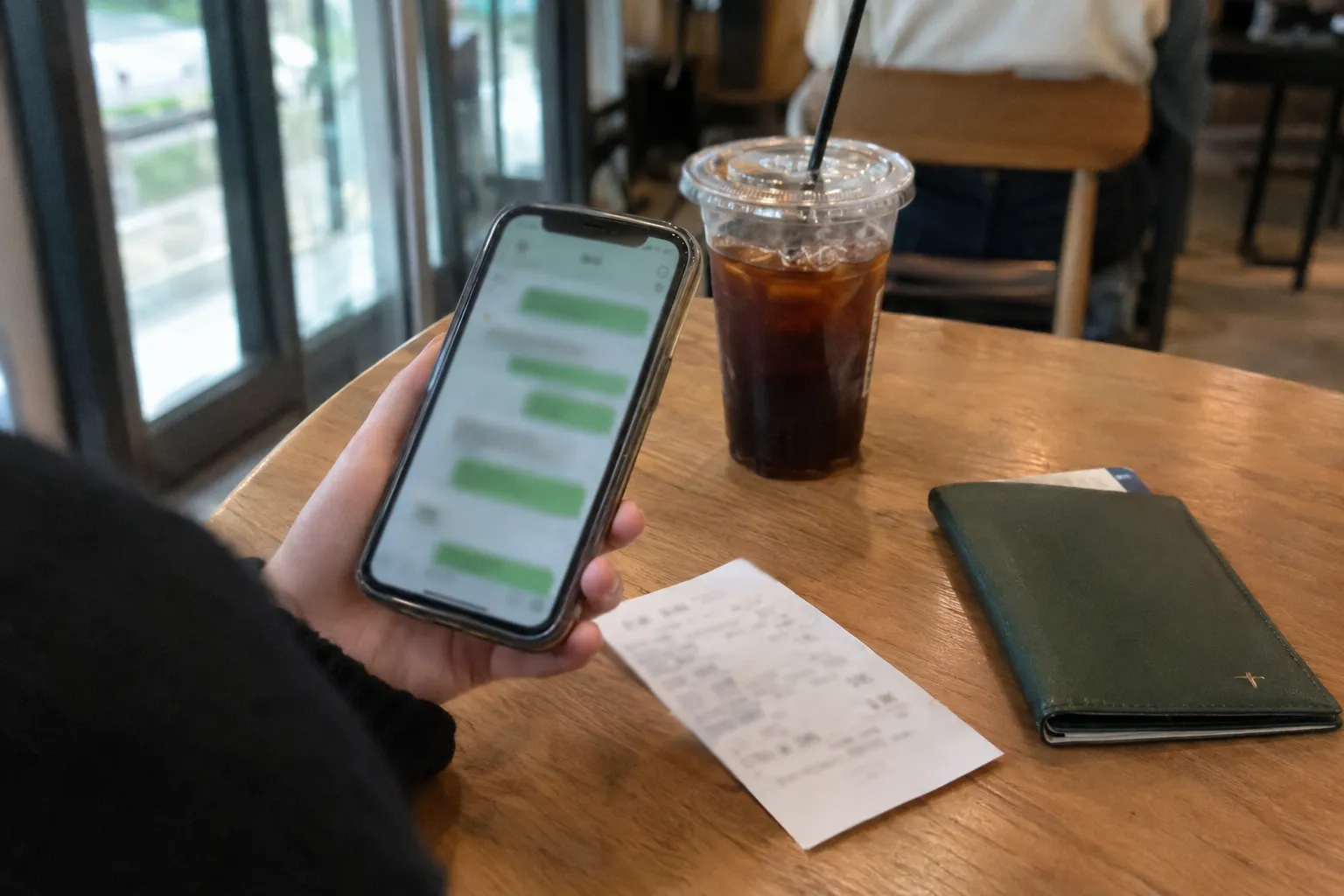
How much are braces in Korea? Most people asking already have two quotes side by side and no way to compare them. One clinic gave a single figure for everything. The other gave a lower figure that grows later. Both are normal here.
Korean orthodontics is sold as a course, not as appointments. The number covers a plan, the appliance and a set number of months of supervision, and the boundaries of what is included sit in the small print of a Korean consent form.
This is what actually moves the price, what is usually bundled, what is usually billed separately, and the questions our interpreters ask before anything is signed.
What the price is built from
The estimated range for a full course is on our orthodontics page. Where your own case lands inside it is decided by five things, in roughly this order of impact.
- The appliance. Metal is the reference. Ceramic sits above it, clear aligners above that, and lingual braces behind the teeth are the most expensive because the brackets are custom and the technique is demanding.
- How long the plan runs. A crowding case of a year and a case that needs extractions and two and a half years are not the same product.
- Whether teeth come out, and whether anchorage screws are used. Both are common and both are usually billed on top.
- Who supervises. A clinic where a specialist does every adjustment charges more than one where a general dentist follows a plan.
- How many visits you will physically make. Overseas patients often pay for a compressed schedule with longer appointments, which costs the clinic chair time.
None of those five is negotiable by asking nicely. What is negotiable is knowing them before you compare quotes, which is the whole point of reading one properly.
What a Korean quote usually includes, and what it does not
Clinics differ, so treat this as the checklist to run through at the desk rather than a rule.
| Item | Often in the course price | Often billed separately |
|---|---|---|
| First consultation and simple exam | Yes, sometimes free | Rarely |
| Records: x-rays, 3D scan, photos | Sometimes | Often, at the first visit |
| Brackets, wires and fitting | Yes | — |
| Routine adjustments for the planned months | Yes | — |
| Tooth extractions before treatment | No | Usually, sometimes at another clinic |
| Anchorage screws | Sometimes | Often |
| Broken bracket re-bonds | A few, then no | After the allowance |
| Retainers after debonding | One set, sometimes | Replacements always |
| Months beyond the planned end date | No | Usually a monthly supervision fee |
Paying: instalments, deposits and what foreigners are quoted
Korean patients rarely pay for braces in one go. Clinics normally split the course into a deposit plus monthly instalments tied to the adjustment visits, which is why the headline number and the first payment look so different.
- An overseas patient who will not be here monthly is often asked for a larger share upfront. That is a scheduling reality, not a markup, and it should still be itemised.
- Card payment is standard. Ask whether an overseas card is accepted before the day, because some terminals are fussy.
- Get the quote itemised in writing before any deposit. We book at the local partner rate, the same way Korean patients book, so there is no foreigner surcharge to argue about later.
- Korea's tax refund for foreigners on cosmetic procedures ended at the end of 2025. If anyone tells you the price comes back at the airport, that is out of date.
- National health insurance in Korea does not cover ordinary cosmetic orthodontics. Certain medical cases are handled differently; your clinic tells you if yours is one.
Why the aligner quote looks cheaper until it does not
Clear aligner pricing in Korea is usually tiered by the number of tray sets, which means a minor tidy-up is genuinely inexpensive and a full correction is not. A quote for a short package can mean the clinic is treating the front teeth only.
Ask which teeth the plan actually moves, how many refinement rounds are included, and what a second refinement costs. Refinements are normal, not a failure, and they are where an aligner quote quietly catches up with braces.
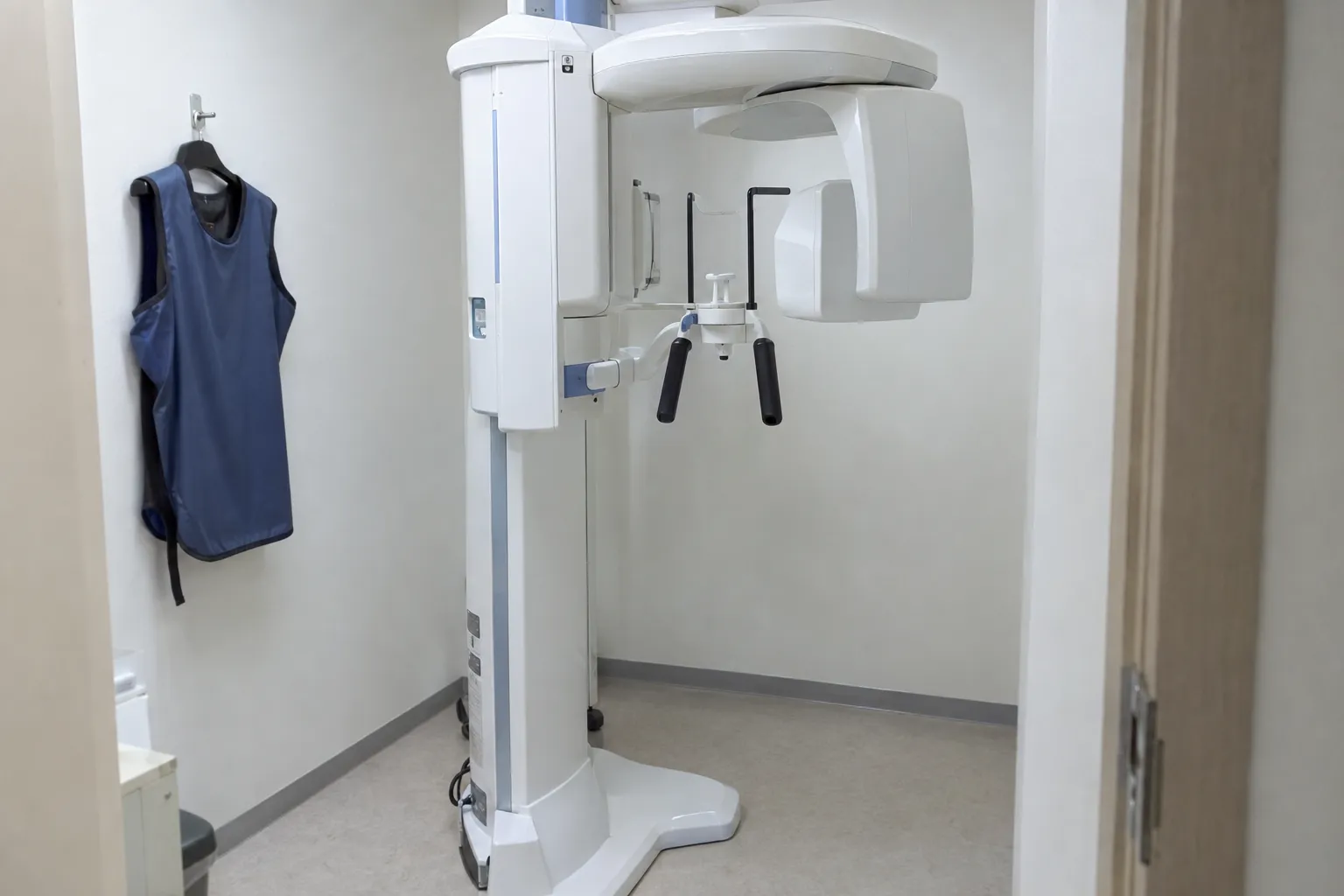
Which route suits someone who does not live in Korea is a separate question, and it is answered in orthodontics in Korea.
The costs people forget until they are here
- Extractions, if your plan needs them, sometimes at an oral surgery clinic rather than the orthodontist.
- A deep clean before fitting. Brackets do not go onto inflamed gums.
- Retainer replacements, which are a lifetime cost, not a one-off.
- Flights for return visits, which usually cost more than the treatment difference you were comparing in the first place.
- Accommodation and days off work for the fitting and the debonding trips. Our guide to how many days you need sets out realistic windows.
If the motive is cosmetic and the timeline is the obstacle, ask the dentist about the veneer route too, and understand what it removes. We compare them in getting veneers in Korea.
How to compare two Korean quotes honestly
Put both quotes on one page and make each clinic answer the same six questions. Vague answers are information too.
- What is the planned duration in months, and what is charged after it?
- Are records, extractions and anchorage screws inside this number or outside it?
- How many broken-bracket repairs are included?
- Are retainers included, and how many sets?
- Who performs the adjustments, and is it the same doctor?
- What is refunded if I stop treatment halfway, and how is that calculated?
Take the answers in writing. A clinic that will put them in writing is telling you something about the next two years. To have partner clinics answer these before you fly, use clinic matching, or look at the rest of the dental clinic menu first.