Menu
September surgery-day interpreter slots are filling. Hold yours, free

Dental

Braces in Korea: a fit for long stays, not for a one-week trip

Braces in Korea cost less than in many Western countries, and Seoul orthodontists treat a high volume of adult cases. Here is the limit, stated first: orthodontics needs an adjustment visit every four to eight weeks for one to two years. That suits students, workers, military families and anyone living in Korea. It does not suit a holiday. If you are here long-term, a first visit takes sixty to ninety minutes, and starting treatment takes two visits over two or three days.

Typical price in Seoul

$2,500 – $5,100

₩3,500,000 – ₩7,000,000 · total

Stay in Korea
2–3 days
Procedure time
60–90 min
Anesthesia
None needed
Clinic visits
2 visits

Market estimate, not a quote. Your written quote comes after a free consultation.

  • Treatment runs about 12–24 months, with visits every 4–8 weeks. Plan it around how long you will live in Korea.
  • Getting started takes two visits: records and consultation, then fitting.
  • Clear aligners allow longer gaps between visits, which helps frequent travellers. They do not suit every case.
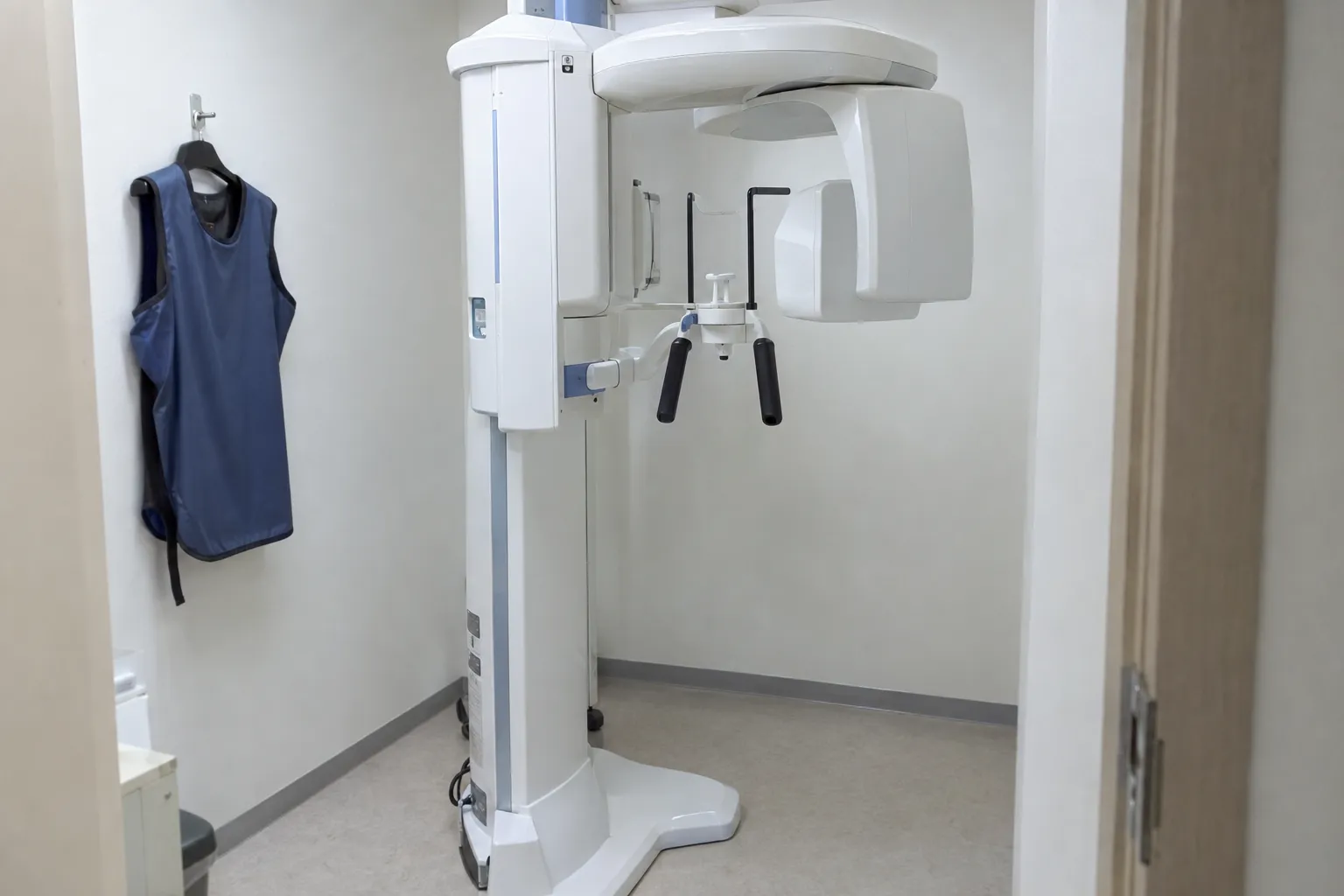
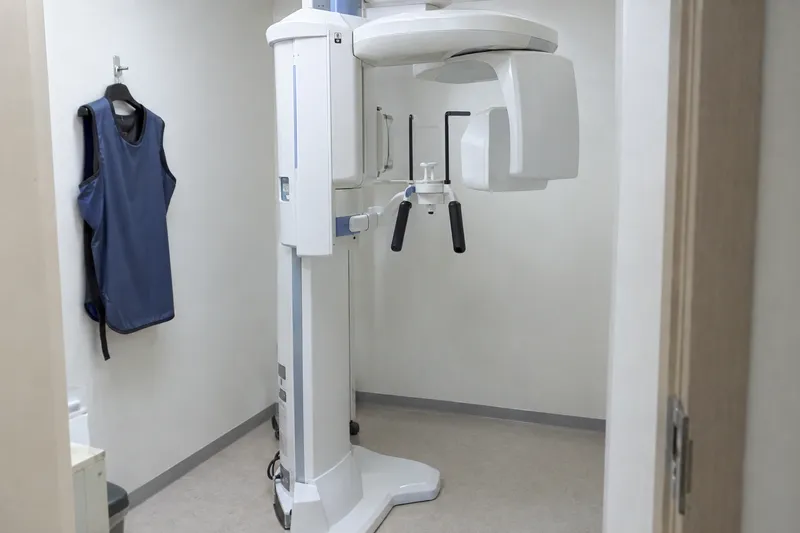
A panoramic dental X-ray machine standing in a small room, with a lead apron hanging on the wall (illustrative image)

What she does on your clinic day

  1. At the records visit

    X-rays, photos, a 3D scan and a long explanation of options. She translates the plan: extractions or not, braces or aligners, how many months, total fee.

  2. Reading the contract

    Orthodontic fees are usually a total with a payment schedule. She checks what happens if you leave Korea early, and whether the clinic will prepare transfer records.

  3. Along the way

    Adjustment visits are short and routine. She helps you book them and is available when something breaks or a question needs the doctor's answer.


Meet the interpreters

Stay in Korea

  1. Visit 1

    Records and consultation

    Sixty to ninety minutes: X-rays, scan, photos. The orthodontist presents the plan and the total fee. No anesthesia is involved.

  2. Visit 2

    Fitting

    Braces are bonded, or aligner attachments placed and the first trays given. This can be days later for braces, a few weeks for aligners.

  3. Every 4–8 weeks

    Adjustments

    Fifteen to thirty minutes each. Aligner patients may be seen less often.

  4. Month 12–24

    Removal and retainers

    Braces come off and retainers are made. Retainer wear is long-term, wherever you live by then.

Typical price in Seoul

The figure on this page is the total for a full course. It moves with the appliance (metal, ceramic, lingual, clear aligners), the difficulty of your case and whether extractions or mini-screws are needed. Retainers and the records fee may be separate. If you only want straighter-looking front teeth quickly, a dentist may discuss veneers, with their own trade-offs.

  • You live in Korea, or will for at least a year, as a student, employee or family member
  • You have crowding, gaps or a bite problem and want a specialist's plan
  • You travel to Korea every couple of months and are considering clear aligners
  • You want the total fee, the visit schedule and the transfer policy in writing before you start

Questions patients ask us

Can I get braces in Korea as a tourist?
You can start, but you should not. Braces need regular adjustments by the same team, and orthodontists at home are often reluctant to take over a case mid-treatment. Unless you will be in Korea regularly, start where you live.
Is Invisalign in Korea an option if I visit every few months?
Possibly. Aligner plans can be set up with longer intervals, and some clinics monitor progress with photos between visits. It depends on your case, and the orthodontist decides whether aligners can do the job at all.
How much do braces cost in Korea?
See the estimated total range on this page. Appliance type and case difficulty are the main drivers. We book at the local partner rate and you get the fee and payment schedule in writing.
What happens if I have to leave Korea before treatment ends?
Ask this before you sign. Many clinics prepare transfer records and settle fees based on the stage completed. Your interpreter gets the policy in writing at the start, when it is easy to negotiate.
Do I need an English-speaking dentist?
It helps, but it is not required. Your interpreter joins the visits that matter: the plan, the contract and any problem. Routine adjustments need little conversation. Other treatments are listed on the dental page.

Booking direct vs booking with KCODI

Same clinic, same surgeon. What changes is who is on your side of the desk.

InterpreterBooking direct:The clinic's coordinator, if one speaks your languageKCODI:Your own medical interpreter, assigned free
Surgery dayBooking direct:You check in aloneKCODI:She stays from check-in to discharge
QuoteBooking direct:Often verbal, in a chat windowKCODI:Written and itemised before any deposit
Price listBooking direct:Overseas-patient price list at many clinicsKCODI:Partner rate agreed in advance, no foreigner markup
Recovery daysBooking direct:You search hotels and food yourselfKCODI:Hotel, soft food and pharmacy list for your clinic's area
After you fly homeBooking direct:Email the clinic in English and waitKCODI:Message your interpreter, she relays it in Korean

What clinics offer differs. Ask us about the clinic you have in mind and we tell you what applies there.

What you can hold us to

  • Quote first, deposit later

    You never pay a deposit before you hold a written, itemised quote.

  • A name and a face before you fly

    You know who your interpreter is, and which language she speaks, before you board.

  • You pay us nothing

    No booking fee, no interpreter fee, no fee for asking. The clinic pays our coordination fee.

Doing more than one thing on this trip?

Skin treatments usually fit around a surgery consultation, and a checkup takes half a day. Tell us everything on your list and we put it in one schedule, with one interpreter.

Plan my whole trip

Keep reading

All guides

Ask first. Decide later.

Replies in about 10 minutes, 09:00–22:00 KST