Getting braces in Korea works — if you can solve the every-six-weeks problem
Written by KCODI medical interpreter team · English deskUpdated · 8 min read

In shortGetting braces in Korea is straightforward for residents and complicated for visitors, because fixed braces need an adjustment visit every four to six weeks for one to three years. Clear aligners are the usual workaround.
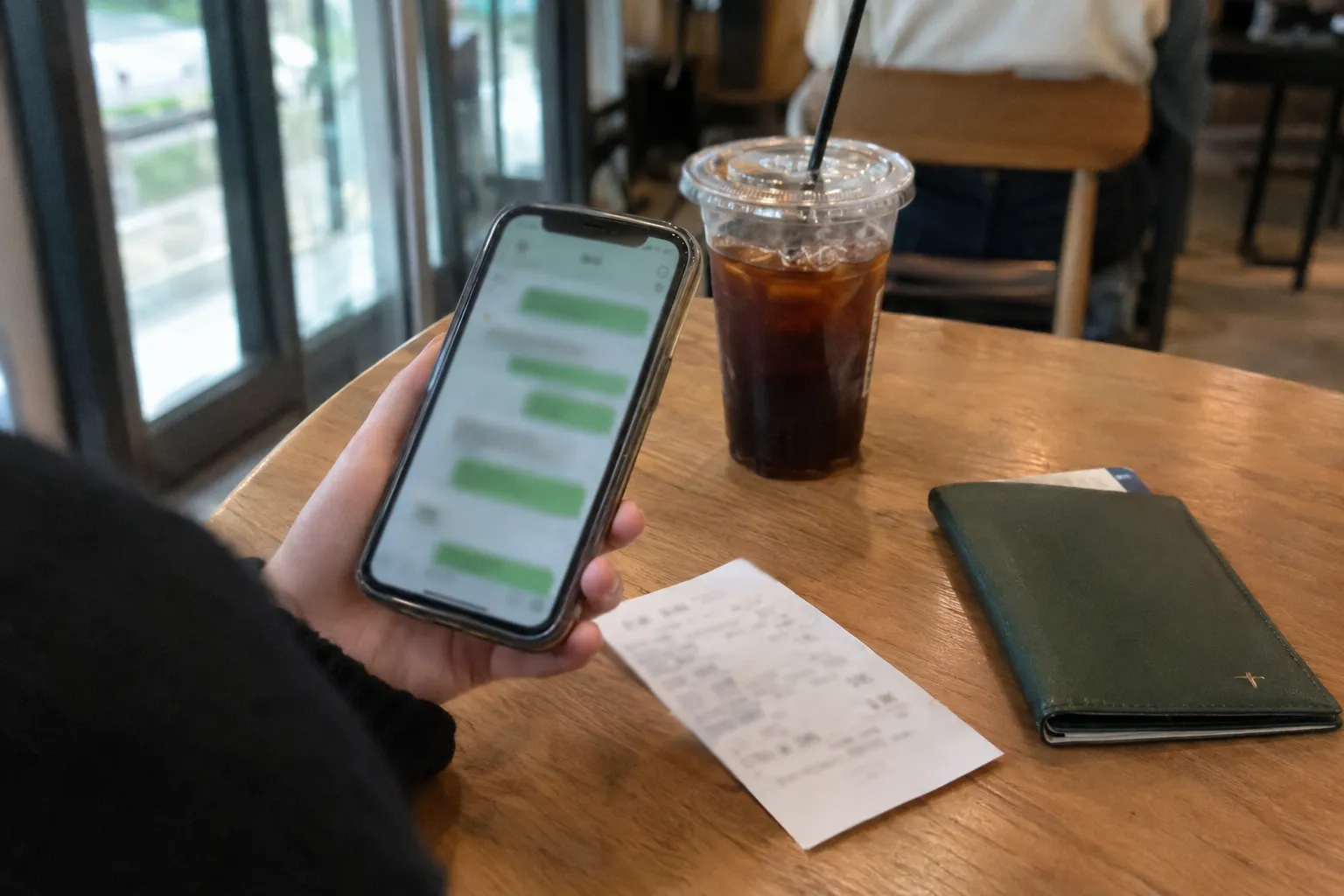
You have seen the prices and done the arithmetic, and getting braces in Korea looks like a bargain compared with home. Then you read the small print: adjustments every four to six weeks, for up to three years. That is the part nobody puts in the comparison table.
Our interpreters sit through these first consultations regularly, and the honest orthodontists in Seoul raise the travel problem before the patient does. The ones who do not raise it are the ones to be careful with.
This guide covers which appliance is which, how common braces actually are in Korea, and the three arrangements that do work when you do not live here.
What types of braces do Korean clinics offer?
The same families you would find anywhere, with clear aligners more visible on menus than in many markets. On a Korean menu the treatment is 「orthodontics (치아교정, orthodontics)」, and clinics list the appliance rather than the outcome.
| Appliance | What it is | Visibility | Visit rhythm |
|---|---|---|---|
| Metal brackets | Stainless brackets with elastic ties | Most visible | Every 4–6 weeks |
| Ceramic brackets | Tooth-coloured brackets, metal wire | Less visible up close | Every 4–6 weeks |
| Self-ligating (Damon is one brand) | Brackets with a built-in clip instead of elastic ties | Same as metal or ceramic | Often every 6–8 weeks |
| Lingual | Brackets bonded behind the teeth | Effectively invisible | Every 4–6 weeks, longer chair time |
| Clear aligners | Removable trays changed at home | Nearly invisible | Check every 8–12 weeks, sometimes remotely |
Two honest notes. Self-ligating systems such as Damon remove the elastic ties, which can stretch the interval between visits — that is the practical benefit for a traveller, and it is not a claim that teeth move faster. And lingual braces cost more and take longer in the chair, which matters when every appointment is a flight away.
Are braces common in Korea?
Very. Orthodontic treatment is a normal part of growing up for a large share of Korean teenagers, and adult treatment is unremarkable — you will see Korean people with braces on the subway at every age, and nobody looks twice. Culturally that matters: nobody at the clinic will treat your adult treatment as unusual.
Clinically it matters more. High case volume means orthodontists here see complex cases often, and dental laboratories are close by, which shortens the wait when an appliance or retainer needs remaking. That is the genuine advantage, rather than any national technique.
What it does not change is biology. Teeth move at the speed teeth move. Any clinic promising a fixed timeline before seeing your X-rays is selling, and our guide to orthodontics in Korea for foreigners covers what a realistic first consultation looks like.
Can I actually get braces in Korea if I do not live here?
Yes, in three arrangements — and one of them is a bad idea. Be clear with the clinic which one you are choosing at the first consultation, because the treatment plan and the payment schedule both depend on it.
- Clear aligners planned in Seoul, worn at home. Scans and the plan are done here, trays are made here, and you come back for occasional checks. This is the arrangement that works for most visitors.
- Fixed braces with a co-operating dentist at home. Your Korean orthodontist sets the plan and a dentist in your city does the routine adjustments. It works only if you arrange the second dentist before you start — ask both to speak, in writing.
- Fixed braces with quarterly flights. Honest to consider, expensive in practice, and your orthodontist will tell you which appointments cannot be stretched.
- Starting fixed braces and hoping. This is the one to avoid. An untended appliance can move teeth in unplanned ways, and a dentist at home may decline to take over a case they did not plan.
The appliance choice follows from the arrangement. A self-ligating system helps if you are flying in. Lingual braces rarely suit a visitor. Aligners are the flexible option, and our Invisalign cost in Korea guide explains what the tray count changes about the price.
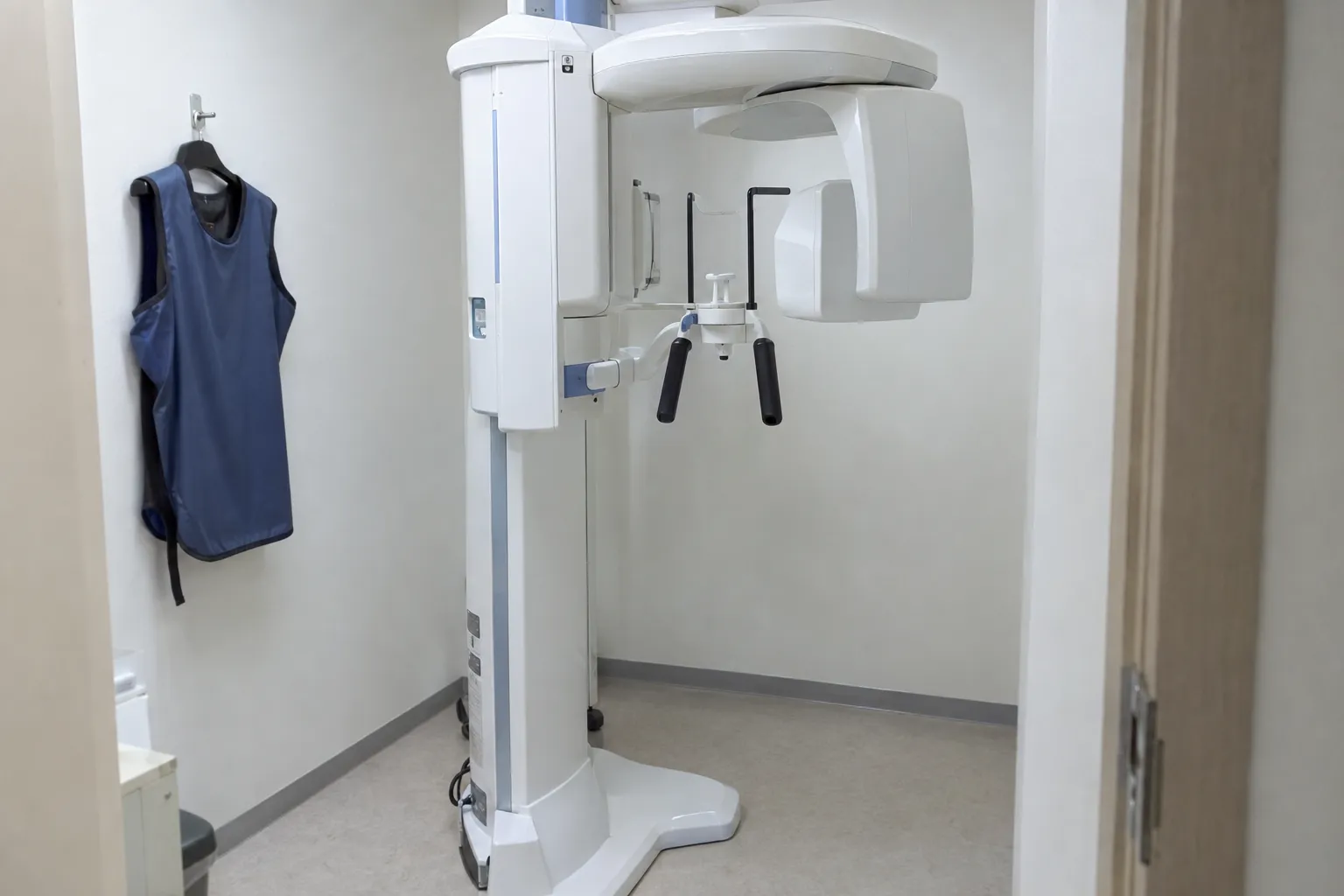
What is on the quote, and what is missing from it?
Korean orthodontic quotes are usually one total for the whole treatment, which is helpful. What is often left out is everything that happens around the appliance, and those are the items our interpreters ask about in Korean.
- Are X-rays, the 3D scan and the treatment plan included, or billed separately?
- Does the total include every adjustment visit, or is each one charged?
- Retainers after treatment — included, and how many? A replacement retainer is a common hidden cost.
- Are extractions or a scaling before bonding included? Many cases need one or both.
- What happens if a bracket comes off while you are abroad, and who pays for the emergency repair?
- If treatment is abandoned midway, what is refunded? Get the answer in writing.
How long does it take, and what should I expect in the first weeks?
One to three years for most adult cases, with the appliance on for the whole of it and retainers afterwards for years. The first week is the uncomfortable one: teeth feel tender, the inside of your lips gets sore, and soft food is genuinely welcome.
If you are having the appliance fitted at the start of a trip, plan the two days after it around soft food and bring wax for the brackets. Korean convenience stores are well stocked with soft options, and a local pharmacy can help if something rubs badly at night.
Price ranges and typical visit counts are on the orthodontics page, and how much braces cost in Korea covers the money side in detail. KCODI books at the local partner rate with a written itemised quote before any deposit, and a medical interpreter comes with you free — including to the appointment where the plan is explained, which is the one that matters. Meet the interpreters or answer four questions in clinic matching.