Travelling to Korea alone for treatment: what is safe, and what to actually watch
Written by KCODI medical interpreter team · English deskUpdated · 7 min read
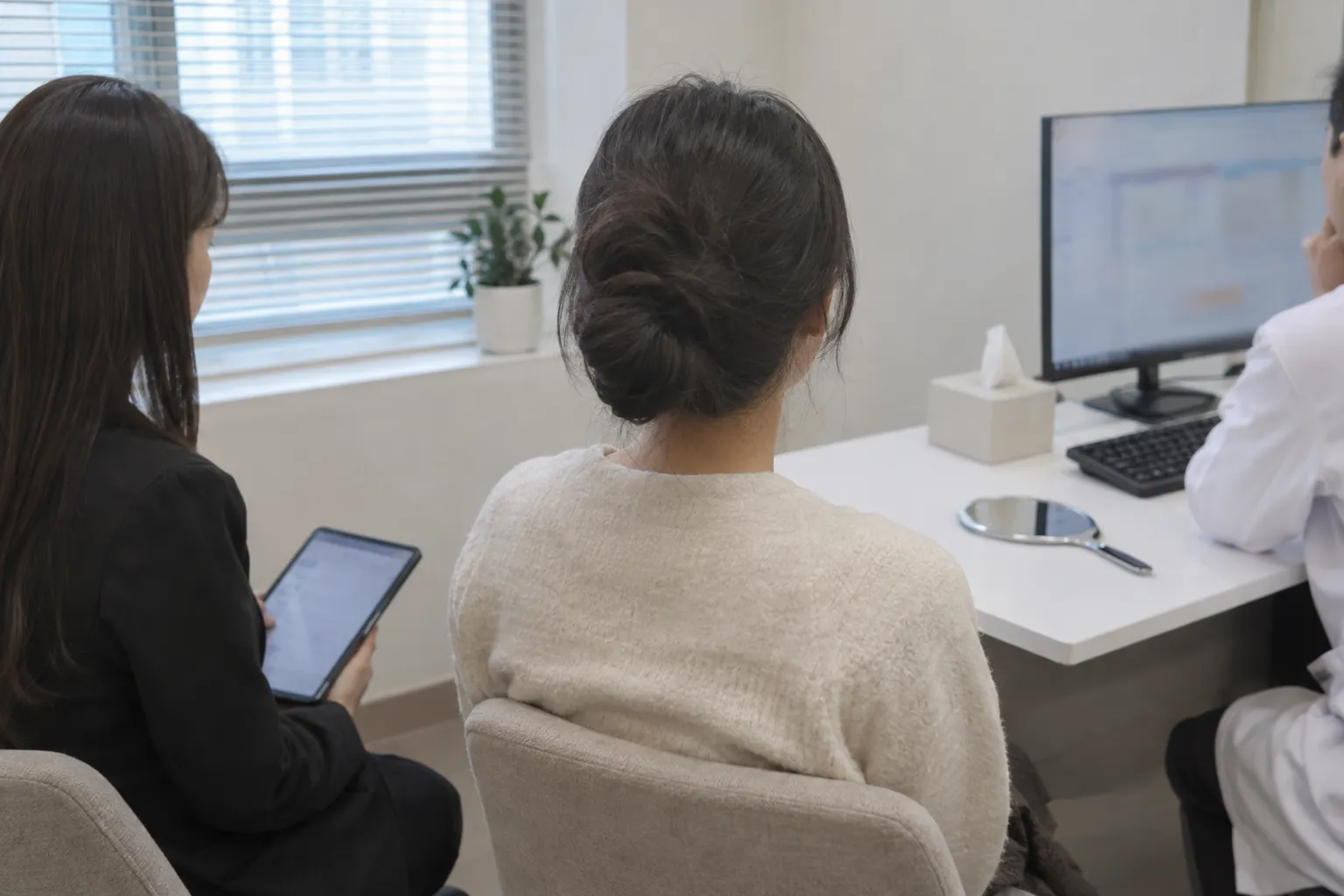
Is Korea safer than America? People searching that phrase are usually asking one of two questions. Some are worried about walking back to a hotel alone at night. Some have read a headline about the border and want to know whether the country is on edge.
On the first, Korea compares well: violent crime rates are low by international standards, foreign ministries describe the general crime threat as low, and Seoul is a city where people ride the subway late and leave laptops on café tables. On the second, the security situation on the peninsula is long-standing and daily life is unaffected, which is why travel advisories for Korea sit at ordinary levels.
Neither is the thing that catches visiting patients out. What does is more boring, more fixable, and worth reading before you book.
The day-to-day picture
Check your own government's current travel advice before you fly, because that is the only source that is up to date on the day you read it. The general pattern has been stable for years.
| What visitors report | |
|---|---|
| Street crime | Low by international standards; petty theft exists in nightlife districts |
| Public transport at night | Widely used, well lit, extensive CCTV |
| Solo travel | Common, including solo women; ordinary precautions still apply |
| Traffic | The real everyday hazard: delivery scooters on pavements, fast turns at crossings |
| Emergency services | Fast; 119 for ambulance and fire, 112 for police |
| Drink spiking and nightlife | Uncommon but not unknown, as anywhere with a late bar scene |
The practical tip that matters most: know how to call for help before you need to. Our guide to the 119 emergency number covers what to say and what happens next.
The risks that are specific to being a patient
This is the list our interpreters actually worry about, in the order it comes up.
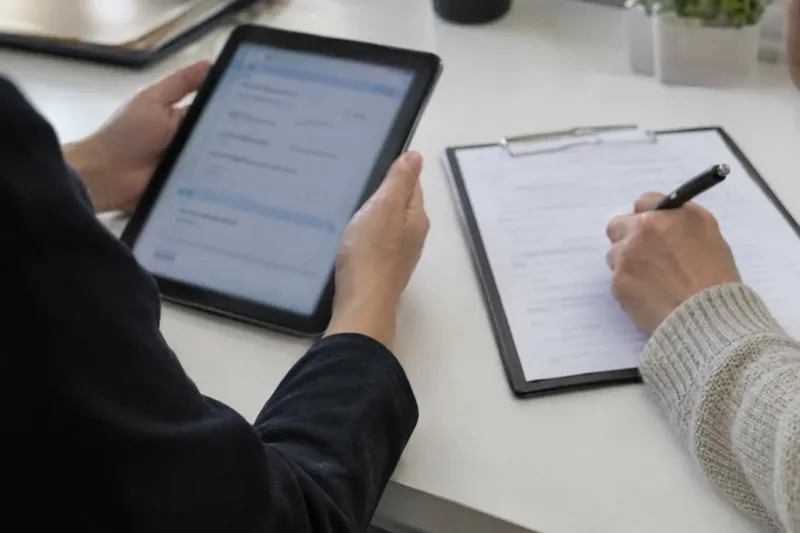
- Consenting to something you did not fully understand. Consent forms are in Korean, the consultation is fast, and nodding is easier than asking a fifth time. This is the single biggest risk of the trip.
- Going home alone after sedation. Endoscopy, some eye procedures and most surgery leave you groggy. Someone should be with you, and a taxi app is not a person.
- An unlicensed or borrowed room. Cosmetic work outside a licensed medical institution is a real hazard and the reason the register exists. You can check a clinic licence yourself.
- A broker with no medical duty. Some intermediaries are paid per patient and optimise for the booking, not for the outcome.
- Nobody to call at 2am on day three. Swelling, fever and pain questions do not happen during office hours.
The North Korea question, answered plainly
It is the reason a lot of people search why is South Korea not safe, so it deserves a straight answer rather than a dodge.
The peninsula has been in a state of armistice since the 1950s. Periods of tension make international news and make no difference to daily life in Seoul. Foreign ministries keep Korea at ordinary advisory levels and their warnings are usually about the border area itself, not the cities where clinics are.
The honest advice is the same as anywhere: read your own government's current advice, register with your embassy if that is your habit, and then plan your trip normally.
Sensible precautions, the local version
- Save 119 for medical emergencies and 112 for police. Both take calls in English through an interpretation service.
- Save the Medical Korea support line for foreign patients. It is a government-backed help desk, not a clinic.
- Carry your passport for clinic registration, and keep a photo of it on your phone.
- Walk facing traffic on narrow streets. Scooters use pavements and they are quiet.
- Do not accept a discount that depends on paying cash with no itemised receipt. Documentation is what protects you later.
- If a dispute arises, K-MEDI mediates medical disputes in Korea. Knowing it exists changes how a difficult conversation goes.
Nightlife, drinking and the days around a procedure
Seoul's nightlife is busy, late and generally good-natured. The specific risks are the ones that exist in any city with bars open until dawn: a drink you did not watch, a taxi you did not book through an app, a walk home you do not remember planning.
- Use a taxi app rather than an unmarked car outside a club. The app keeps a record of the journey.
- Tell someone where you are going. If you are travelling alone, that someone can be your interpreter.
- Korean drinking culture involves refilling other people's glasses, so a full glass is not a measure of what you have had. Pace yourself deliberately.
- Alcohol and healing do not mix. It thickens bruising, interacts with painkillers and antibiotics, and undoes a careful first week.
- Anything that involves heat, steam or shared water is out while a wound is healing, for reasons set out in sauna and aftercare.
The unglamorous truth is that most patients spend their evenings in a hotel with an ice pack. Plan the social part of the trip for before the procedure, not after it.
What makes a trip go wrong, in one sentence
Almost every bad story our interpreters have heard starts the same way: somebody agreed to something quickly, in a language they do not speak, with no one beside them and no written record.
Fixing that is not complicated. Get an itemised quote in writing. Understand the consent form before you sign it. Have someone with you who speaks both languages. Keep two spare days. Know who to call at night.
How long to plan for is in how many days you need in Korea, and what the trip costs beyond the clinic is in budgeting a treatment trip. To see who would be with you, meet the interpreters, or start with clinic matching.