Korean acne spot treatment: the patch, the injection, and what to use when
Written by KCODI medical interpreter team · English deskUpdated · 8 min read

People search for a Korean acne spot treatment for two different reasons. Either one painful lump has appeared four days before something important, or the same three spots keep coming back and nothing on the shelf has worked.
Those need different answers. A patch or a topical is the right tool for the first, and the wrong tool for the second. Our interpreters sit in acne consultations in Gangnam most weeks, and the pattern is always the same: people arrive after a year of spot treatments for something that needed a prescription.
This guide covers what the shelf product does, what a Seoul dermatologist does on a single lesion, and how to use a short trip properly.
What a spot treatment can actually do
A hydrocolloid patch absorbs fluid from an open lesion and stops you touching it. That is genuinely useful and it is the whole mechanism. A topical with salicylic acid, benzoyl peroxide or sulphur reduces surface oil and bacteria on and around one spot.
Neither reaches an inflamed nodule sitting deep under the skin. Neither prevents the next one. And neither does anything for the mark left behind, which is usually what people are still looking at three months later.
| Situation | Spot product | Clinic option | Realistic timeline |
|---|---|---|---|
| Open, weeping spot | Patch, genuinely helpful | Not needed | 1–2 days |
| Small surface whitehead | Topical acid works | Extraction in clinic | 2–3 days |
| Deep, painful lump | Little effect | Intralesional injection by a doctor | Often flatter within 24–48 hours |
| Brown mark left after a spot | No effect | Pigmentation laser or topical course | Weeks to months |
| The same spots returning | No effect | Prescription plan, not a single visit | Months |
The one-day acne treatment Seoul clinics actually do
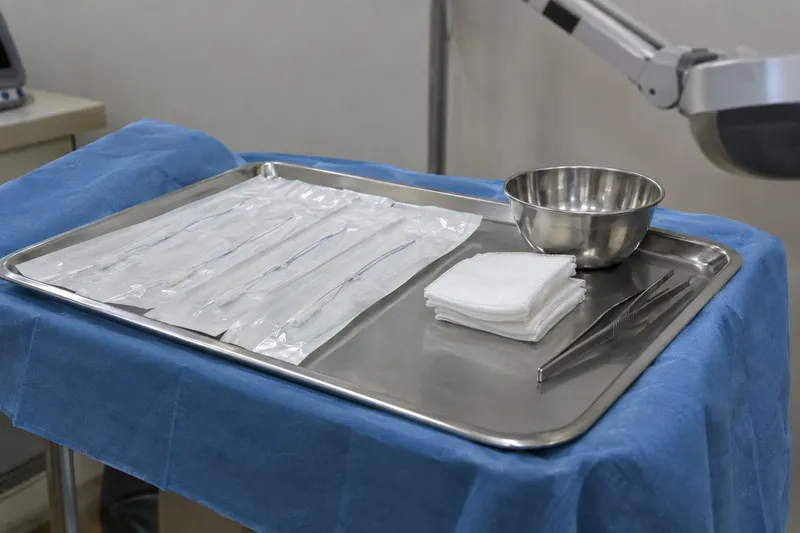
This is the treatment behind most searches for a one day acne treatment in Korea. A doctor injects a very small amount of dilute corticosteroid directly into an inflamed lesion. It takes under a minute. Swelling and pain usually drop within a day or two.
It is a medical act, so it happens in a clinic (의원), not a skin shop. It is not a cure and it is not for routine use: injected too often or too strongly in the same place, steroid can leave a small dent in the skin. A careful doctor uses it sparingly and says so.
Clinics often pair the injection with extraction and a calming programme in the same visit. That is reasonable. Being sold a ten-session course on a first visit for one spot is not.
Korean face care for acne: what a clinic plan looks like
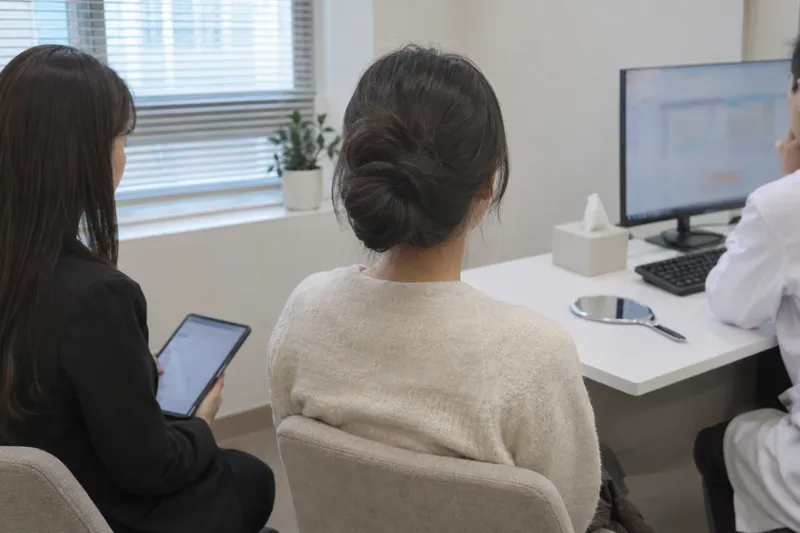
If the spots keep returning, the useful visit is a consultation, not a treatment. A Korean dermatologist will usually do a skin scan, look at where the lesions sit, ask about your cycle and your medicines, and then choose from a short list.
- Topical retinoid, prescribed and titrated. The unglamorous answer that does most of the work.
- Topical or oral antibiotic for a defined period, when inflammation dominates.
- Hormonal treatment, discussed with a gynaecologist where relevant.
- Isotretinoin for severe or scarring acne. This requires monitoring and is not a holiday purchase.
- In-clinic extraction and a calming programme, to handle what is already there.
- Laser or chemical peel courses, mostly aimed at the marks rather than the active spots.
Our longer piece on treating active breakouts in Korea walks through this plan in detail, and acne scar treatment covers what happens after the acne settles.
Buying acne products in Korea: what changes at the counter
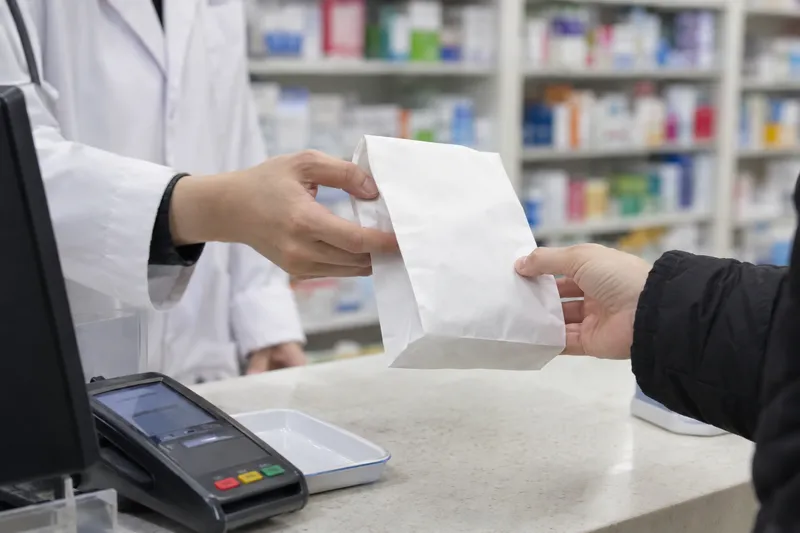
Two things surprise visitors. First, the strongest things are behind a prescription, exactly as they are at home, and a pharmacist cannot hand you a retinoid because you described your skin well. Second, a clinic visit in Korea is not the appointment marathon it is in some countries; same-week consultations are normal.
- Bring the packaging or a photo of whatever you already use. Ingredient names travel better than brand names.
- Tell the doctor about any acid, retinoid or antibiotic you used in the last month. It changes what can be done that day.
- Ask whether anything prescribed can be carried home legally, and get the prescription and the receipt.
- Book the consultation early in the trip. Anything worth starting takes weeks, and you want one follow-up.
- Keep the clinic's contact. A message with a photo a week later is normal aftercare.

If you also want the marks dealt with while you are here, read Korean skin treatments compared for what fits into a short trip, or start with clinic matching and we will shortlist dermatology clinics near your hotel. You can also meet the interpreters who cover skin clinics.