Going to Seoul St. Mary's Hospital? Prepare these things first
Written by KCODI medical interpreter team · English deskUpdated · 7 min read

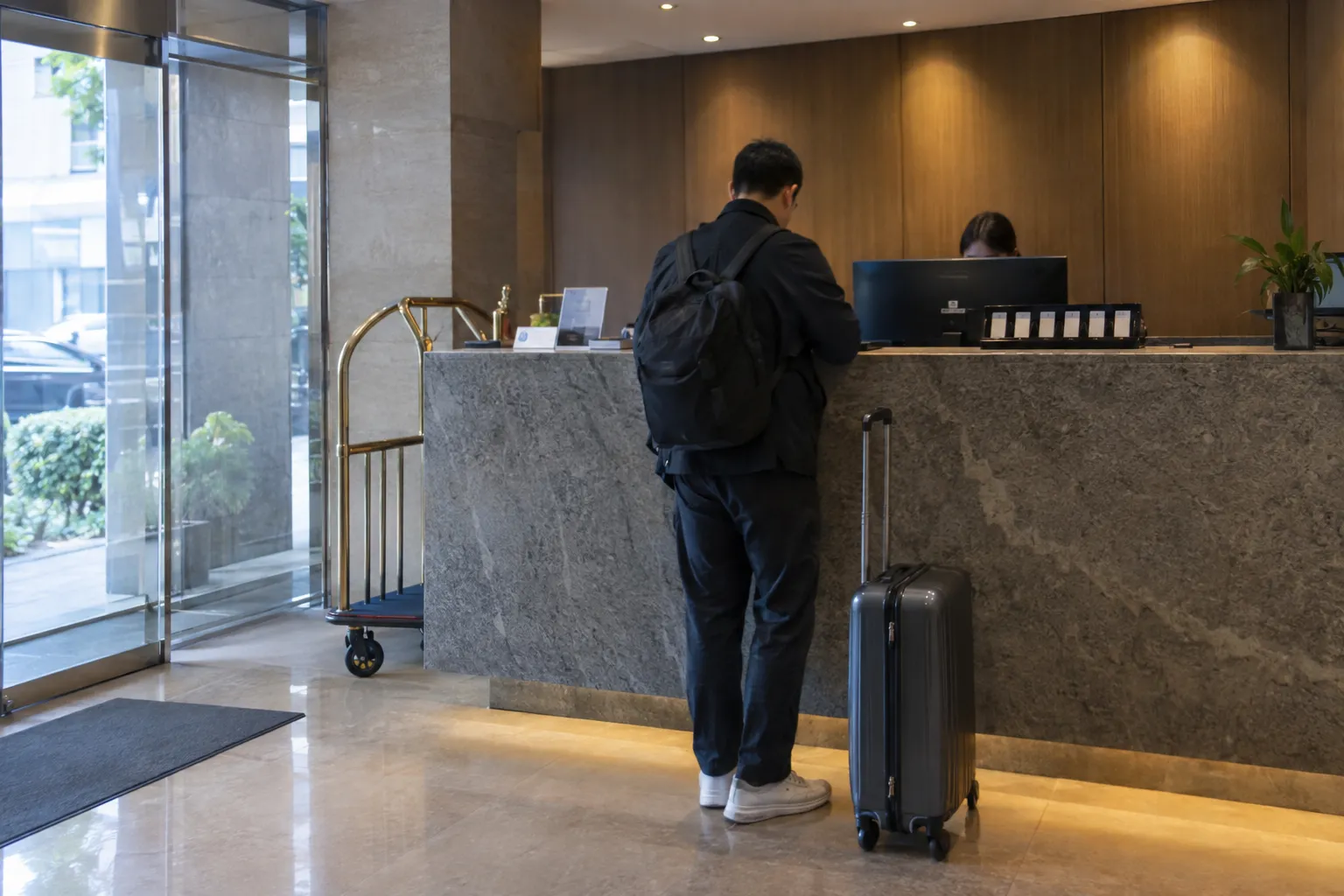
People search Seoul St. Mary's Hospital for two different reasons: they have a referral or diagnosis and need to get seen, or a relative has been admitted and they are trying to understand what is happening.
We do not publish reviews of hospitals or rank them. What follows is what the hospital states publicly, how a visitor actually gets an appointment at a Korean tertiary hospital, and what to prepare so the visit is not wasted.
KCODI is a booking and medical-interpretation service. We are not affiliated with this hospital and take no position on it.
What the hospital states
The hospital's English site gives its full name as The Catholic University of Korea Seoul St. Mary's Hospital and its address as 222 Banpo-daero, Seocho-gu, Seoul. It states that it operates an International Healthcare Center with staff dedicated to patients from overseas and to international residents in Korea.
The site also lists a second-opinion service, an insurance service and a health promotion centre alongside its clinical departments, and publishes a direct telephone number for the international centre. Those are the hospital's own statements as of the check date above.
Seocho-gu places it south of the river near the Express Bus Terminal area, which is well connected by subway. If a companion will be travelling daily, that matters more than it sounds.
How a visitor actually gets an appointment
Korean tertiary hospitals work on referral and on department. Walking in and asking for a specialist is not how it goes, and turning up without records usually means an appointment that produces another appointment.
| Item | Why it is needed | Format that works |
|---|---|---|
| Diagnosis summary | The department is chosen from it | One page, standard terminology, translated |
| Imaging | Korean radiologists usually want the images, not the report alone | DICOM on disc or a shared link |
| Pathology report | Decides oncology and surgical pathways | Original plus translation |
| Medication list | Affects scheduling and any procedure | Generic names, doses, frequency |
| Passport details | Registration as a foreign patient | As on your travel documents |
| Insurance information | Billing and any pre-authorisation | Policy number and the insurer's contact |
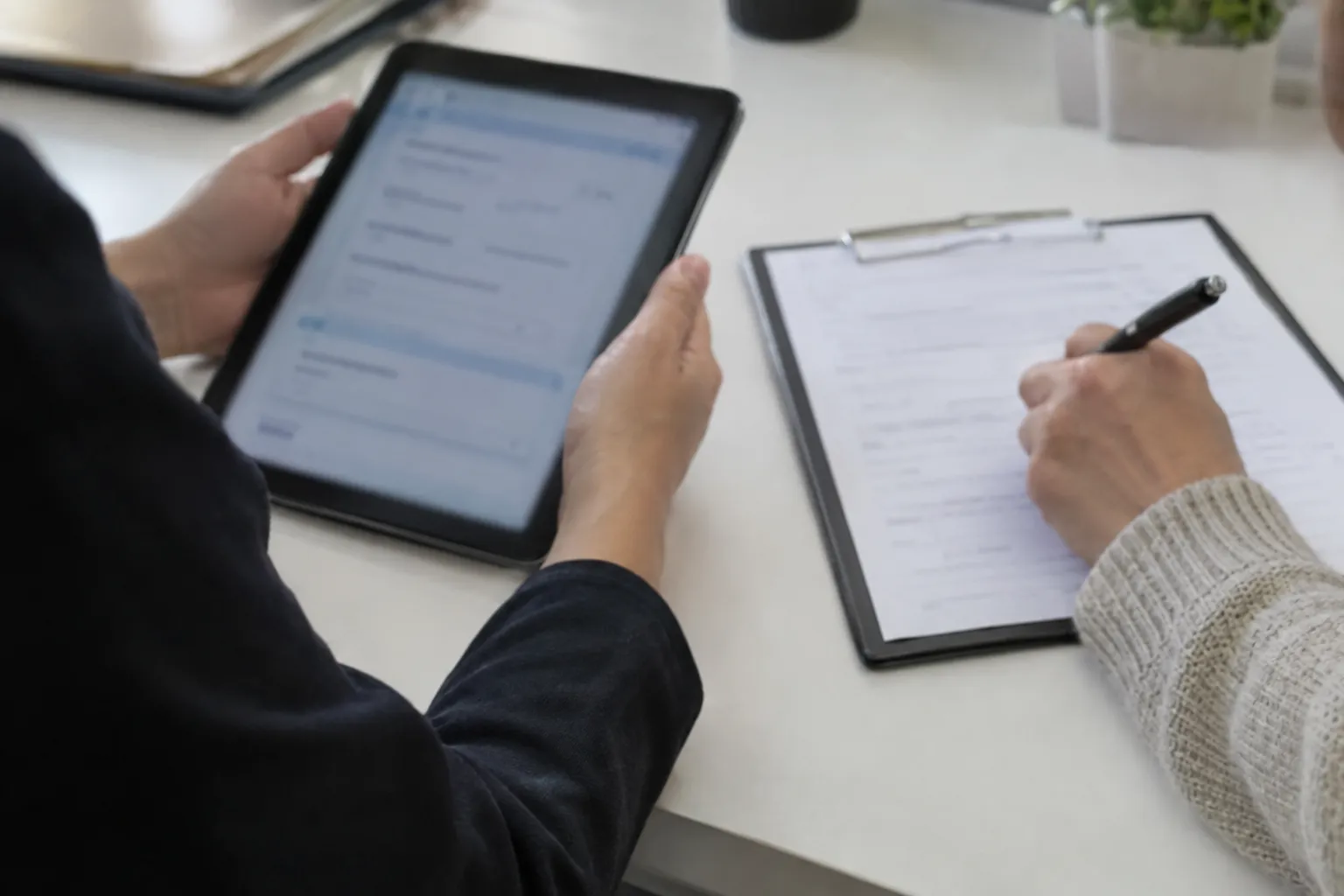
Send these to the international centre with a plain statement of what you are asking for, then ask for two things in writing: the realistic appointment date, and an estimate of costs for a non-insured foreign patient. Both are ordinary requests.
On the day, and what to ask
Expect registration, a wait, a short consultation, and tests scheduled afterwards rather than immediately. Korean outpatient consultations are efficient and brief, which surprises visitors used to longer appointments, so bring your questions written down.
- Ask who would perform any procedure, not only who is consulting.
- Ask for a second opinion appointment if a major treatment is proposed. Large hospitals run this formally.
- Ask for a female doctor where that matters to you. It is a normal request.
- Ask for copies of every result and image on disc before you leave the country.
- Ask what the follow-up needs to look like once you have flown home, and whether remote review is possible.
Hospital interpretation services exist and are useful, but they are shared across a large building and are scheduled rather than continuous. Having your own interpreter matters most at the consent conversation and at discharge, which are the two moments where misunderstandings become expensive.
Checkups, clinics and choosing the right level
If the goal is investigation rather than treatment of a known problem, a comprehensive checkup is faster and cheaper than an outpatient referral chain, and Korean hospitals run health promotion centres precisely for that. The package structure is on the health checkup pages.
For a small, defined problem, a local clinic is usually the better level, and the distinction is explained in Korean hospital versus clinic. How to pick a department for a serious diagnosis is in choosing a Korean hospital as an international patient.
If someone has already been admitted and the question is transfer or getting home, that process is set out in surgery in a Korean hospital. In an emergency, call 119 first; the detail is in Korea's emergency number.