Thermage in Korea is priced by the shot, and that is the whole story
Written by KCODI medical interpreter team · English deskUpdated · 8 min read

Anyone comparing thermage cost between Seoul clinics runs into the same confusion within an hour. One clinic's number is a fraction of another's. The machine is the same. The face is the same. Nothing on either website explains the gap.
The explanation is the tip. The handpiece uses a single-use tip that is loaded with a set number of shots, and when the shots are gone the tip is finished. Clinics buy tips; you buy shots. That is what you are actually purchasing.
Once you know that, the quotes stop being mysterious and start being comparable. Here is how to read them, and how to tell a real appointment from a cheap one.
What you are paying for
The device delivers radiofrequency energy that heats the deeper layers of skin, with the surface cooled at the same time. The aim is tightening over months as the tissue responds, not a change you see walking out of the room.
Nothing about that is dramatic on the day, which is the mismatch that causes most of the disappointment. You will walk out slightly pink and looking exactly as you did that morning. The change, if it comes, arrives quietly over the following months and is easiest to see in a photograph you took before you started.
| Variable | Why it changes the price | What to ask |
|---|---|---|
| Shot count on the tip | The tip is a consumable with a fixed number of shots. Fewer shots, smaller price, smaller treatment | How many shots, on which tip? |
| Area covered | Face only, face and neck, or face and jawline are different shot budgets | Which areas are included in that count? |
| Generation of tip | Newer tip generations cost the clinic more per shot | Which tip generation is being used? |
| Who operates it | Doctor-performed appointments are priced above therapist-performed ones | Who holds the handpiece? |
| Bundling | Numbing, a soothing treatment or a mask may be inside the price or added after | What is on the receipt beyond the shots? |
A very low quote is not usually a scam. It is usually a smaller shot count on a smaller area, which may be exactly right for you or may be pointless. The current range partner clinics work in is on the ultherapy and lifting machines page.
There is a second reason quotes diverge that nobody advertises: counterfeit and refurbished consumables exist in this market, as they do in every market where a single-use part is expensive. That is not a reason for alarm at a reputable clinic. It is a reason to book through a channel that knows the clinic, and to watch the tip come out of its packaging.
Shot counts, in plain language
Think of it as paint. A small tin covers a small wall. A full face and jawline needs more passes than a lower face alone, and spreading a small count across a large area gives you a thin, even, disappointing coat.
- Ask for the shot count in writing, alongside the areas it covers. This is the single most useful line on the quote.
- Ask whether the count quoted is the tip's capacity or the number that will actually be delivered on you.
- Ask what a doctor would recommend for your face, and then decide, rather than picking a number off a promotion.
- Compare quotes on shots per area, not on the headline figure.
- Be suspicious of a package that will not name the count at all.
Is it the right machine for you at all
Monopolar radiofrequency suits mild to moderate laxity in skin that still has some spring. It is poor value for heavy sagging, where nothing non-surgical will substitute for a lift, and it is not a treatment for volume loss.
It is also not the same job as the ultrasound machines, which reach a different depth. Clinics often sell both in one visit, sometimes sensibly. The side-by-side comparison, including who each one suits, is in thermage versus ultherapy.
One more honest caveat about photographs. Lifting results are the easiest in aesthetics to exaggerate with lighting and head position, because a chin tipped two centimetres changes a jawline more than any device does. Judge a clinic on how it explains the machine, not on its gallery.
If your concern is a soft jawline rather than facial skin quality, read Korean jawline: botox versus surgery before you book energy devices at all. And if you have lost facial volume, heat is the wrong tool entirely, which ozempic face and pillow face in Korea explains.
The appointment, the discomfort and the timeline
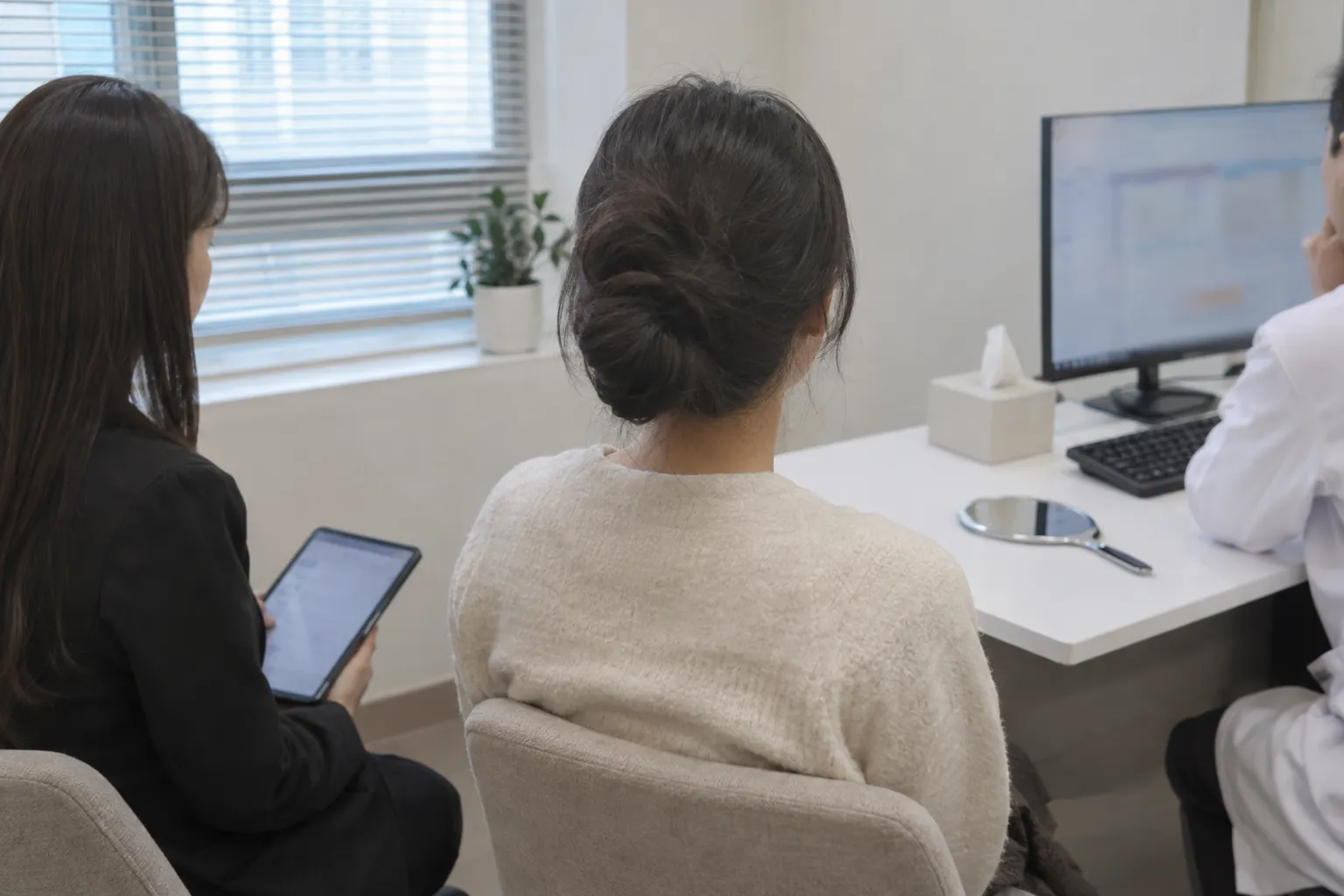
Expect a grid drawn on your face, numbing cream in most clinics, and a series of hot snaps as the shots are delivered. It is uncomfortable rather than painful, and it is over in under an hour for a face.
- Say so when a shot is too hot. Energy settings are adjustable and pain is information, not weakness.
- Expect mild redness and possibly slight swelling for a few hours. There is no real downtime.
- Skip saunas and heat that day, which in Seoul means skipping the jjimjilbang floor.
- Judge the result at around three months, not at three days. Tissue response is slow by design.
- Ask before you fly what would count as abnormal, and who you contact.
Serious problems are uncommon but they exist, and the ones that do happen come from too much energy in the wrong hands. That is the real argument for paying attention to who is operating the device rather than only to the number on the promotion. To compare the whole Seoul lifting menu by downtime, see Korean skin treatments compared or let clinic matching do the shortlist.