A plus dental clinic Seoul: how many visits the work actually needs
Written by KCODI medical interpreter team · English deskUpdated · 8 min read

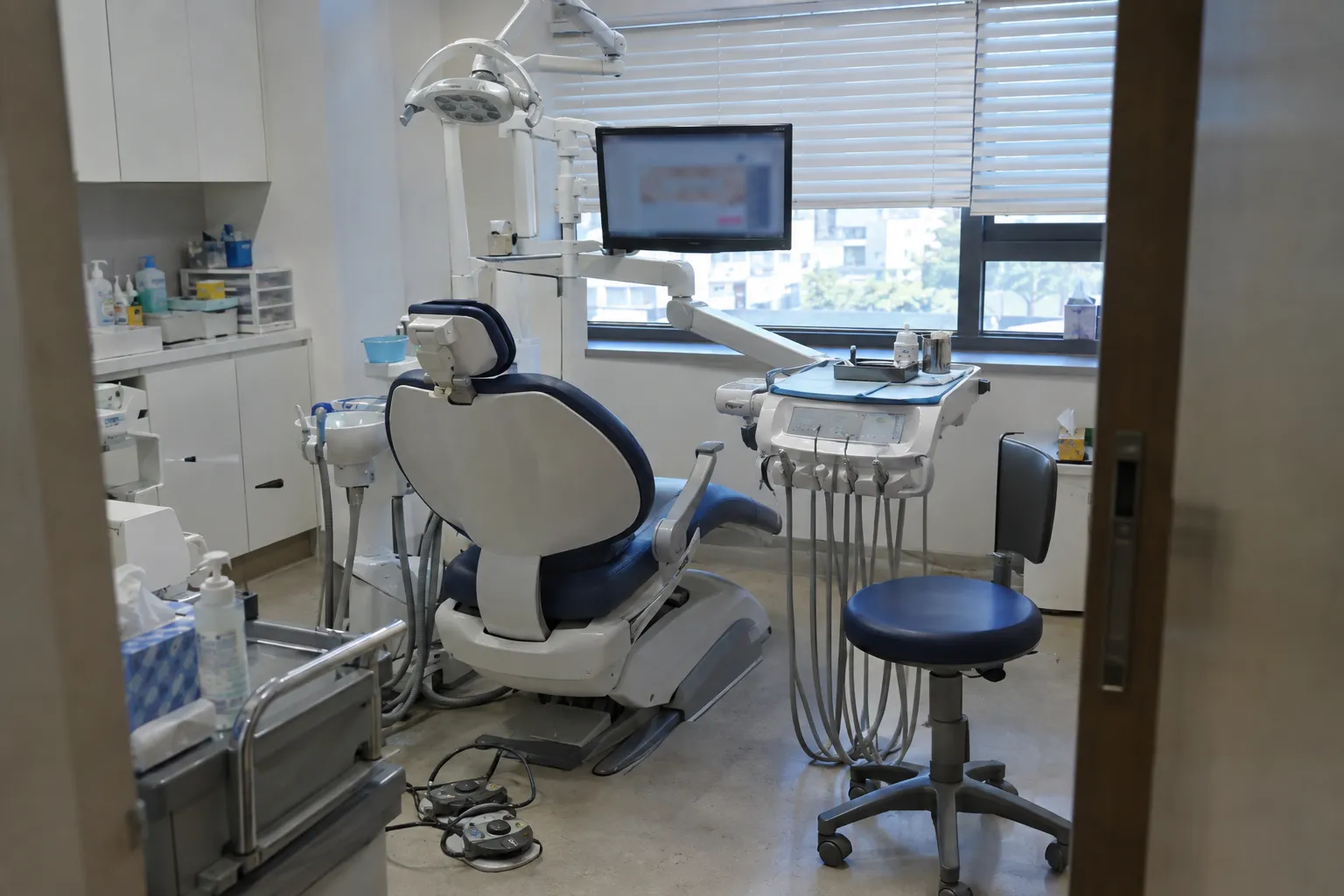
Anyone searching a plus dental clinic seoul has usually done the hard part already. You know roughly what needs fixing, you know Korea is an option, and now you want to know whether this clinic is a safe place to spend a week of your trip.
This page gives you the facts from the clinic's own site, the scheduling questions that decide whether dental work in Korea is possible at all for your dates, the checks that apply to any Korean dental clinic, and a second itemised quote for the same treatment plan.
KCODI is a booking and medical-interpretation service. We are not affiliated with this clinic and take no position on it.
What the official site states
The site gives the name as 에이플러스치과 and the address as 704 Yeongdong-daero, Gangnam-gu, Seoul, on the third floor of the Samgang Building. It states that the clinic runs by advance appointment.
The listed treatment areas are implants, orthodontics including clear aligners, prosthetics and dentures, periodontal and root canal treatment, cavity treatment, whitening and laminate veneers. The site also states that the clinic operates its own dental laboratory on site, and that an English-speaking coordinator handles consultation, interpretation and follow-up for foreign patients.
Opening hours are not published on the pages our team could read. Those points above are the clinic's own statements as of the date checked above. What implant treatment involves, and what moves the cost per tooth, is on our dental implants in Korea page.
The question that decides everything: how many visits
Dental work is not one appointment. Implants in particular are staged, and the gaps between stages are healing time that no clinic can compress for your flight schedule.
| Treatment | Usual visit pattern | What to ask before booking flights |
|---|---|---|
| Scaling and fillings | One visit, sometimes two | Whether x-rays are taken first and included |
| Crown or veneer | Two to three visits over several days | Whether the lab work is done on site or sent out |
| Implant, standard staging | Placement, then healing, then the crown months later | Whether the second stage can be done at home, and who would do it |
| Implant, immediate loading | Fewer visits, but only for suitable cases | Whether your bone and gum condition actually allow it |
| Bone graft or sinus lift | Adds healing time before the implant | How much extra time, and whether it is in the quote |
| Orthodontics or aligners | Ongoing, over months | Who adjusts or monitors you between trips |
The realistic version for most travellers is a first trip for assessment and placement and a second for the crown, or a plan agreed with a dentist at home for the second stage. A clinic that promises to compress a staged implant into three days without examining you has answered a scheduling question, not a medical one. Our guide to routine dental work in Korea works through the shorter treatments.
Six checks before booking any Korean dental clinic
- Who treats you, by name, and whether that dentist is present on all your scheduled dates.
- An itemised quote: per tooth, per crown, with x-rays, anesthesia, the abutment and the final crown listed separately from the implant fixture.
- The implant brand and model in writing, plus the crown material. Both change the price and the replacement path later.
- What the clinic's position is if a crown fails after you return home, and whether any warranty is written down.
- Whether the clinic is registered to treat foreign patients, checked by you rather than described to you.
- Who interprets during treatment, not only at the first consultation.
How to read dental clinic reviews
Dental reviews written by travellers are more useful than cosmetic surgery reviews, because much of what they describe is observable: how many visits, whether the schedule held, whether anyone explained what was happening while a drill was in use.
What they cannot tell you is whether the treatment plan was right for that person's mouth, or whether it will be right for yours. A plan that suits someone with healthy bone may need a graft in your case, and that changes both the time and the price. Read reviews for logistics, and get the clinical answer from an examination.
There is one more limit worth knowing. Dental work is judged over years, not weeks, and almost every review is written within days of the final visit. A crown that fits well on the day can still need adjustment months later, and the person best placed to tell you about that has long since stopped posting.
So treat a good review as evidence the clinic is organised and communicative, which is genuinely useful, and treat the clinical decision as something that has to come from your own x-rays.
If you are comparing clinics rather than reading one, Minish dental in Korea covers a different part of the market and the same checks apply there.
Get a second itemised quote for the same teeth
Dental quotes are comparable in a way surgical quotes are not, as long as both list the same teeth, the same brands and the same materials. That is worth arranging before you commit a week of your trip.
Not sure what your teeth need before an examination? Clinic matching sorts the question in about two minutes, and you can see the interpreters who cover dental appointments.
Between the consultation and the deposit
Dental plans change after the first x-ray more often than any other department. Expect that, and plan the money around it.
- Ask for the plan in writing with a tooth chart, so each number on the quote is attached to a tooth you can point at.
- Ask what would change the plan once treatment starts, and what each of those changes would cost.
- Confirm the number of visits and the dates before booking the return flight, not after.
- Ask who you contact if something hurts after you land at home, and in which language they answer.
- Keep every message. A quote agreed by chat is the only record you will have if the final invoice looks different.
None of that is confrontational. Korean patients ask the same questions, and dental clinics answer them daily. A clinic that treats the questions as an obstacle has told you how it will behave when something needs fixing. The rest of what a dental trip involves is on our dental treatment in Korea page.