Hair transplant cost in Korea hinges on one question: what are you counting?
Written by KCODI medical interpreter team · English deskUpdated · 8 min read

Hair transplant cost in Korea is quoted per unit, and the unit is where nearly all the confusion lives. Ask three clinics and you can receive three numbers that look wildly different but describe almost the same operation, because they are not counting the same thing.
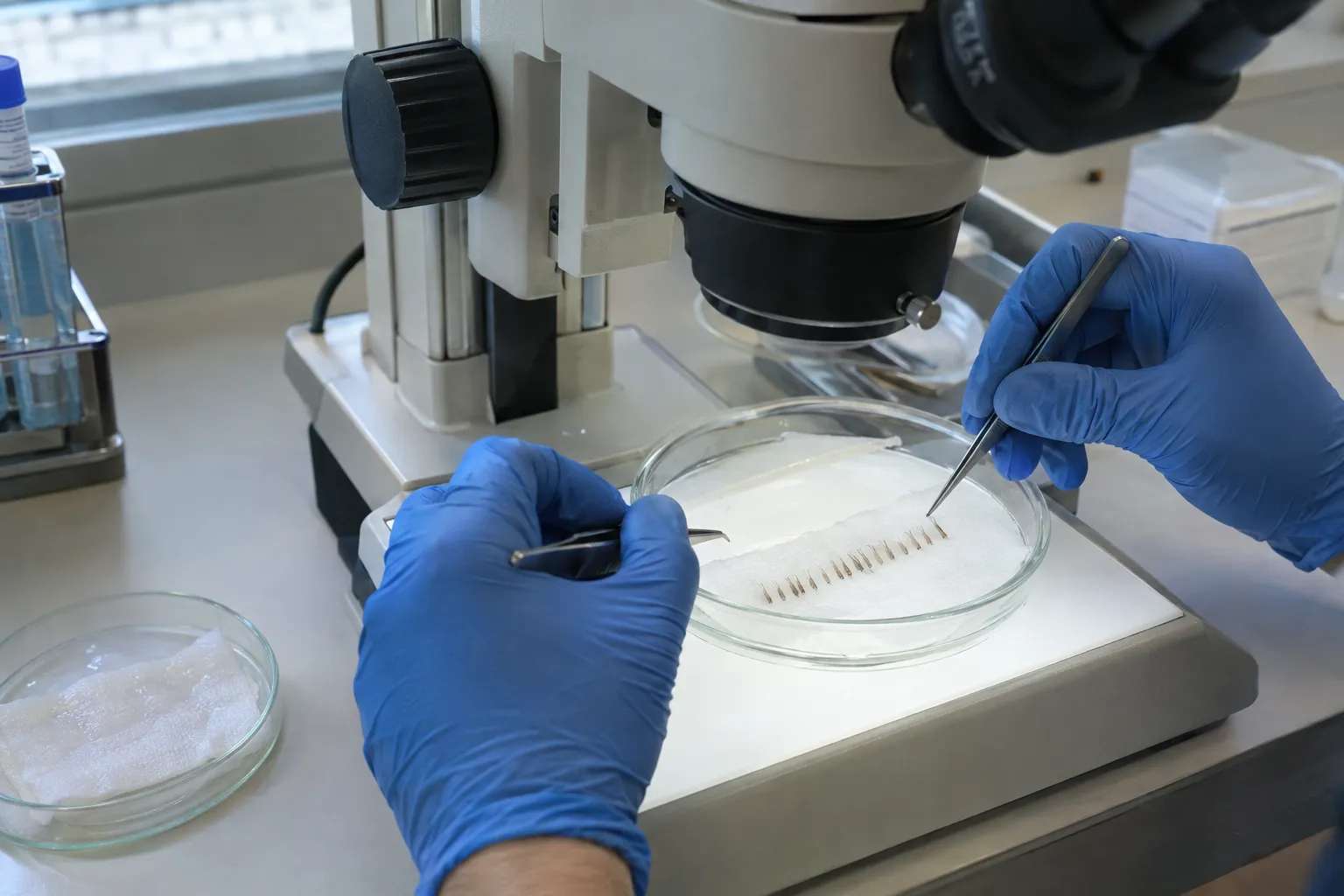
Korean clinics commonly count in 모, individual hairs. Clinics in many other countries quote grafts, also called follicular units, and a single unit usually carries more than one hair. Convert one into the other carelessly and a quote can appear to double or halve.
Once the unit is pinned down, the rest of a Korean quote is readable. There are four other lines that move the number and two that are almost never on the page at all.
First: hairs or grafts
Before anything else, ask the clinic which unit the number is in, and get the answer written on the quote rather than said at the desk. A quote for a given number of hairs is not comparable to a quote for the same number of grafts.
- Ask: is this number 모, hairs, or 모낭단위, follicular units?
- Ask how many hairs the clinic assumes per unit for your donor area, since it varies between people.
- Ask what happens if the surgeon finds fewer usable units during the operation than the plan assumed.
- Get the unit written on the quote before any deposit. It is the single most useful line on the page.
This is also why comparing a Korean number against a package from another country needs care. Hair transplant in Korea vs Turkey sets the two selling models side by side, and the appointment itself is described on the FUE hair transplant page.
The four other lines that move the price
| Line | What it means | Effect on the quote |
|---|---|---|
| Extraction method | Strip harvesting versus follicular unit extraction | Different prices, different scarring, different shaving |
| Implantation method | Slit placement versus an implanter pen | Implanter methods usually carry a surcharge here |
| Shaving | Whether the donor area is shaved | Non-shaven work takes longer and often costs more |
| Who does what | Which steps the doctor performs personally | Ask this plainly; it is a fair question everywhere |
The last row is the one international bodies in this field keep warning about. Ask which parts of the procedure the doctor performs and which are delegated, and to whom. Any clinic that reacts badly to a calm version of that question has answered it.
What the donor area decides
The limiting factor in every hair transplant is not the budget; it is how much usable hair you have at the back and sides. A good consultation spends more time on that than on the hairline you want.
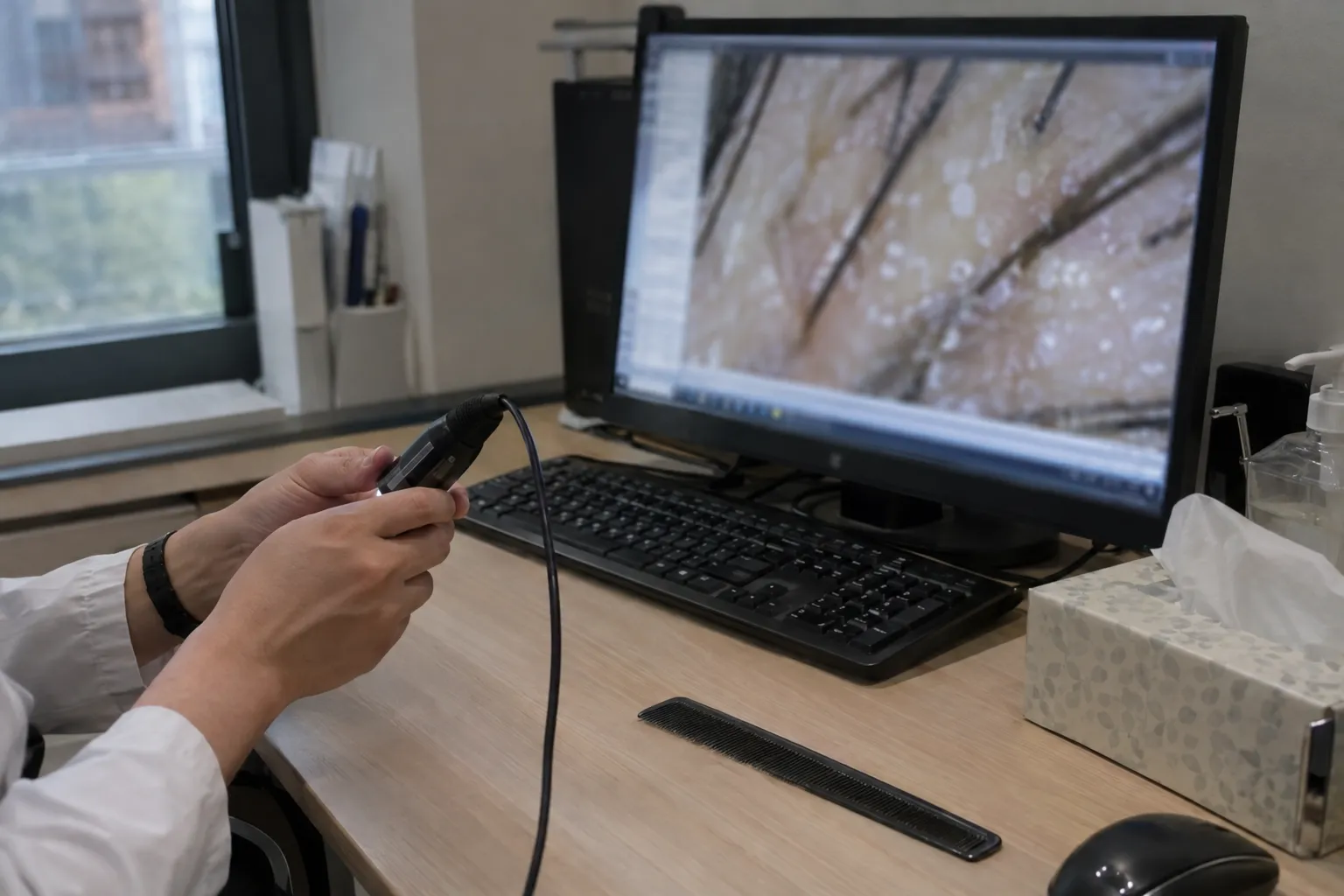
- Expect the donor area to be examined under magnification, not glanced at.
- Expect a surgeon to design a hairline that will still look right in twenty years, which is usually more conservative than the one you asked for.
- Expect a discussion about whether your loss is still progressing. Transplanting into an area that is actively thinning can look worse later.
- Expect an honest answer about the crown. It consumes a lot of donor hair for a modest visual return, and some surgeons will decline.
If the hairline is the issue rather than general thinning, the female hairline page covers that version, and ongoing medical treatment of loss sits on the Korean scalp treatment page.
One session or two, and why the answer changes the budget
Plenty of plans in Seoul are staged deliberately. A first session covers the hairline and the front, where the visual return per unit is highest, and a second session later addresses the crown or adds density once the first has grown in.
That is good surgical thinking, not an upsell, because donor hair is finite and results take the best part of a year to judge. It is also the single biggest reason quoted prices and final spend diverge, so it belongs in the conversation before the deposit rather than at the twelve-month review.
- Ask whether the plan is staged, and if so what the second session is expected to cost.
- Ask how long the gap between sessions should be, since that decides whether it means a second trip.
- Ask what the clinic expects from session one alone, described in coverage rather than in adjectives.
- Ask what happens to your existing hair over that period, because thinning continues unless it is being treated.
Growth is slow and uneven, and the middle months look worse than the starting point to most people. Knowing the timeline in advance is the difference between an expected phase and a panicked message at week eight.
Planning the days around it
The operation is long, usually most of a day, and the first days afterwards are not discreet. Redness and small crusts in the recipient area are normal and visible, and clinics give washing instructions that have to be followed exactly.
- Build in the follow-up visit before booking the flight home. A first wash at the clinic is common.
- Expect to look worse before better, including a period where transplanted hairs shed. That is expected and it is worth hearing before rather than after.
- Results are judged in months, not weeks, so agree in advance who you send progress photos to and in what language.
- Avoid scheduling anything requiring a hat, a helmet or strong sun immediately afterwards without asking.
The whole international-patient sequence, from first message to flying home, is set out in plastic surgery in Korea for foreigners, and the licence checks apply here too: see how to check a clinic licence in Korea.
See the full menu on the hair transplant in Korea page, let clinic matching shortlist clinics in two minutes, or meet the interpreters. If something goes wrong while you are in Korea, the Medical Korea Support Center answers on +82-1577-7129 and K-MEDI handles medical dispute mediation.