PicoSure, Genesis, IPL and CO2: which laser does what in Seoul
Written by KCODI medical interpreter team · English deskUpdated · 8 min read

Picosure laser korea is the search that starts most of these appointments, usually because someone saw it recommended for pigment. It is a good machine for some pigment and irrelevant for other things sold under the same word.
Korean clinics carry more devices than clinics anywhere else, and the menu reflects that. Pigment lasers, vascular lasers, resurfacing lasers and intense pulsed light sit under one heading, and the coordinator will book whichever the clinic wants to run today.
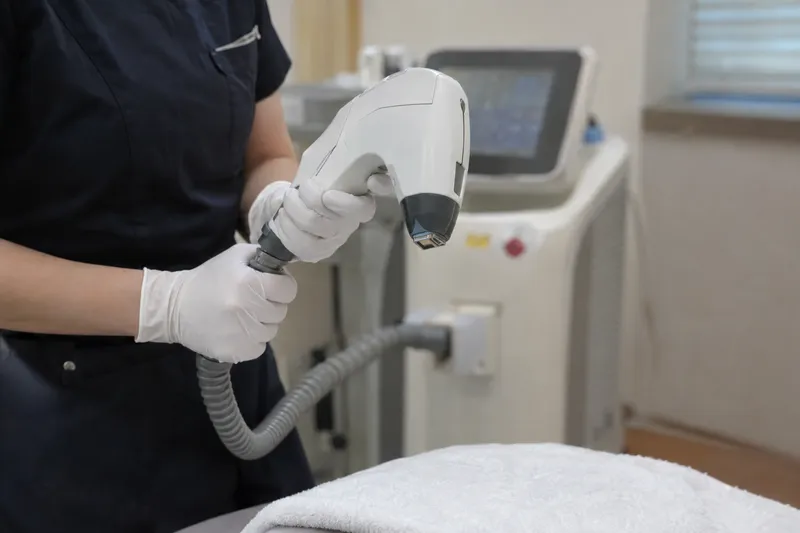
Here is what each of them targets, how much downtime each carries, and how to check that the machine being switched on matches the problem you flew in with.
Four jobs, four machines
Skin devices are not general-purpose. Each one is built to have its energy absorbed by a particular target: pigment, blood vessels, or water in the skin. That is the whole logic, and it is why a machine that transforms one problem does nothing for another.
| Menu name | Target | Typical use | Downtime |
|---|---|---|---|
| PicoSure and pico lasers | Pigment particles | Freckles, sun spots, some tattoo pigment, texture programmes | Hours to a few days of darkening then flaking |
| Laser Genesis and similar gentle passes | Water and vessels, shallow heating | Redness, pore appearance, overall tone, no crust | None to speak of |
| IPL, sometimes sold as photo-facial | Pigment and vessels together, broad light | Mixed sun damage, redness, dullness over a course | A day of flush; spots darken before flaking |
| Fractional CO2 and erbium resurfacing | Water, controlled columns of injury | Acne scarring, texture, deeper resurfacing | Several days of redness, swelling and peeling |
A korean laser peel usually means a gentle resurfacing pass rather than the chemical peels a pharmacy sells, and a korean co2 facial means fractional CO2 at a low setting. Names drift between clinics; the target does not.
The downtime question, answered honestly
This is the part that matters for a trip, and the part clinics soften. Pigment does not vanish under the handpiece. It darkens, sits as small dark flecks for several days, then sheds. You will look worse before you look better, and that is the treatment working correctly.
- Pico and IPL on sun spots: expect visible darkening for roughly three to seven days. Not a same-day-flight treatment if you care how you look on arrival home.
- Laser Genesis and similar gentle passes: flush for an hour or two, nothing else. Safe on an arrival day or before dinner.
- Fractional CO2: several days of redness and peeling, strict sun avoidance, and an ointment routine. Plan it at the start of a longer stay, not the end of a short one.
- Every one of these needs sunscreen afterwards, and Seoul summer sun is strong. Post-treatment pigment rebound is the most common complaint interpreters hear on day five.
- None of them should be booked on the same day as a peel, a facial or an injectable unless the doctor has planned both together.
How a laser appointment gets expensive
The advertised line is the smallest version. What lands on the receipt depends on what was added, and the additions happen after your eyes are covered.
- Shots or passes. Priced per shot on some platforms, per pass on others, per spot on pigment work.
- Area. Full face, face plus neck, and cheeks only are three prices under one name.
- Course pricing. Almost every laser is genuinely a course treatment, and a course is the wrong purchase for a one-week trip.
- Soothing steps. Cooling masks, LED and post-laser ampoules are priced separately and are where the upsell lives.
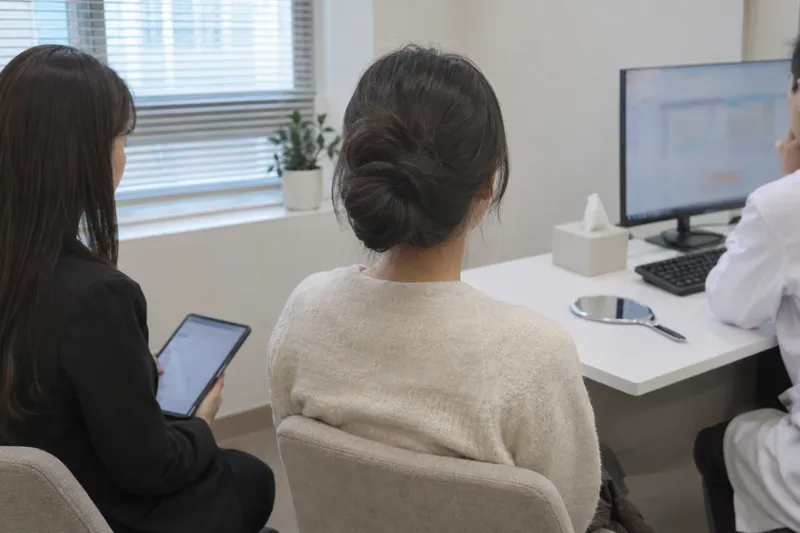
- A doctor-led consultation versus a therapist-led booking. Both exist in Korea at similar prices, and only one of them can tell you the melasma answer.
Decide before you lie down what you will and will not add, and have it written on the quote. For the current range on this treatment, see pigmentation laser, and for the whole menu side by side, Korean skin treatments compared.
Fractional lasers and what they are really for
A prima laser korea fractional booking, or any fractional device, is aimed at texture: acne scarring, enlarged pore appearance, crepey surface. It works by creating microscopic columns of controlled injury and letting the skin rebuild around them.
That is a genuine treatment with genuine downtime, and it is a course, not an event. One session on a holiday will show a modest change. Three or four sessions spaced weeks apart is the real protocol, which usually means starting in Seoul and continuing at home.
If acne scarring is what brought you here, acne scar treatment covers the range, and Korean microneedling and RF devices covers the non-laser route to the same problem.
Planning lasers into a trip
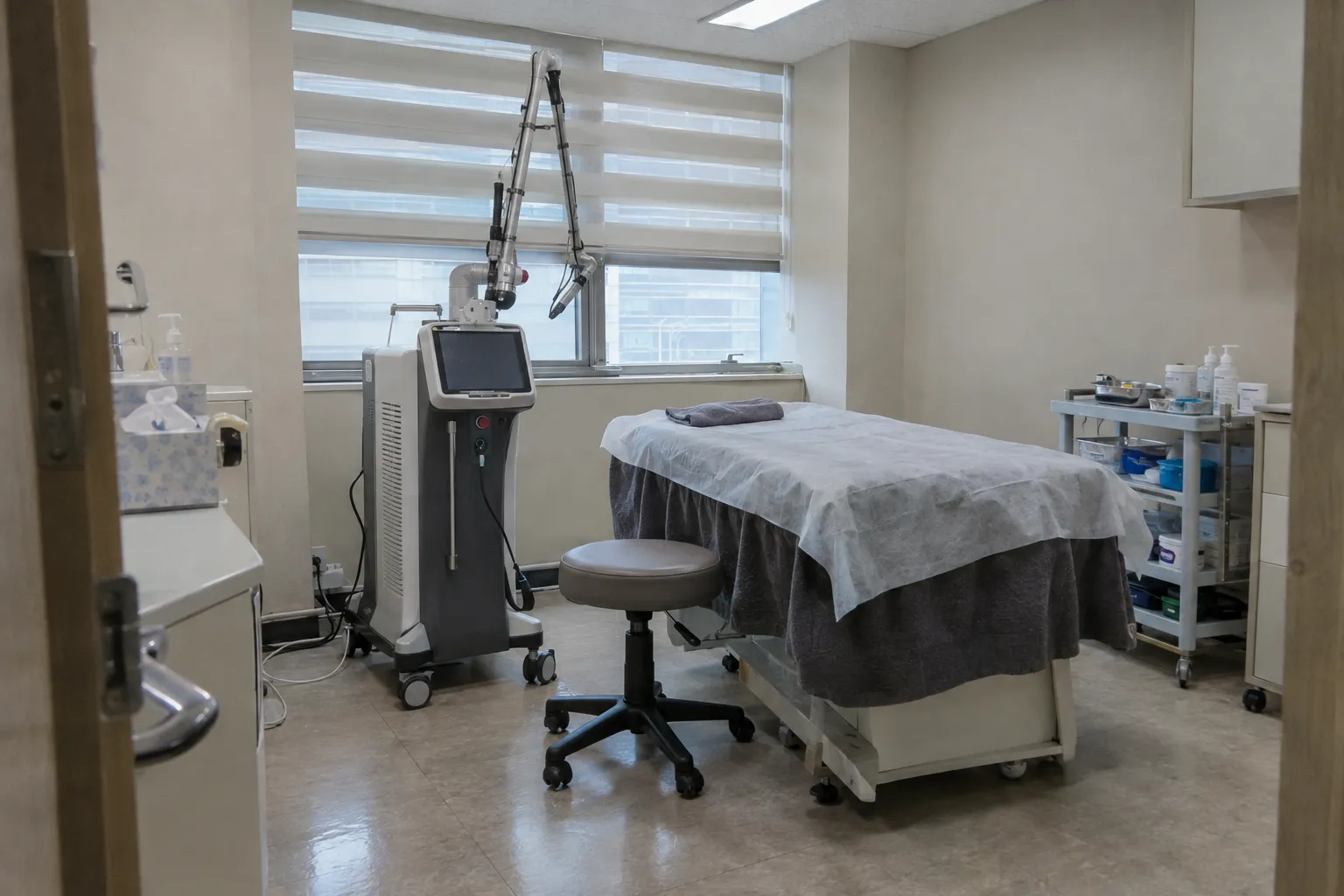
If your stay is short and you want one appointment to count, a doctor-led consultation plus a gentle pass usually beats an aggressive session you have to hide from for a week. Interpreters hear that recommendation given honestly more often than visitors expect.
If your stay is longer, the sensible order is: consultation on day one, the treatment with downtime early in the stay, gentle treatments later. Book sightseeing around the peeling, not the other way round.
To be matched with clinics in about two minutes, use clinic matching, or meet the interpreters first. For how long a treatment plan really needs you in Korea, see how many days to visit for treatment.