Getting a mole checked in Seoul, not just removed
Written by KCODI medical interpreter team · English deskUpdated · 7 min read

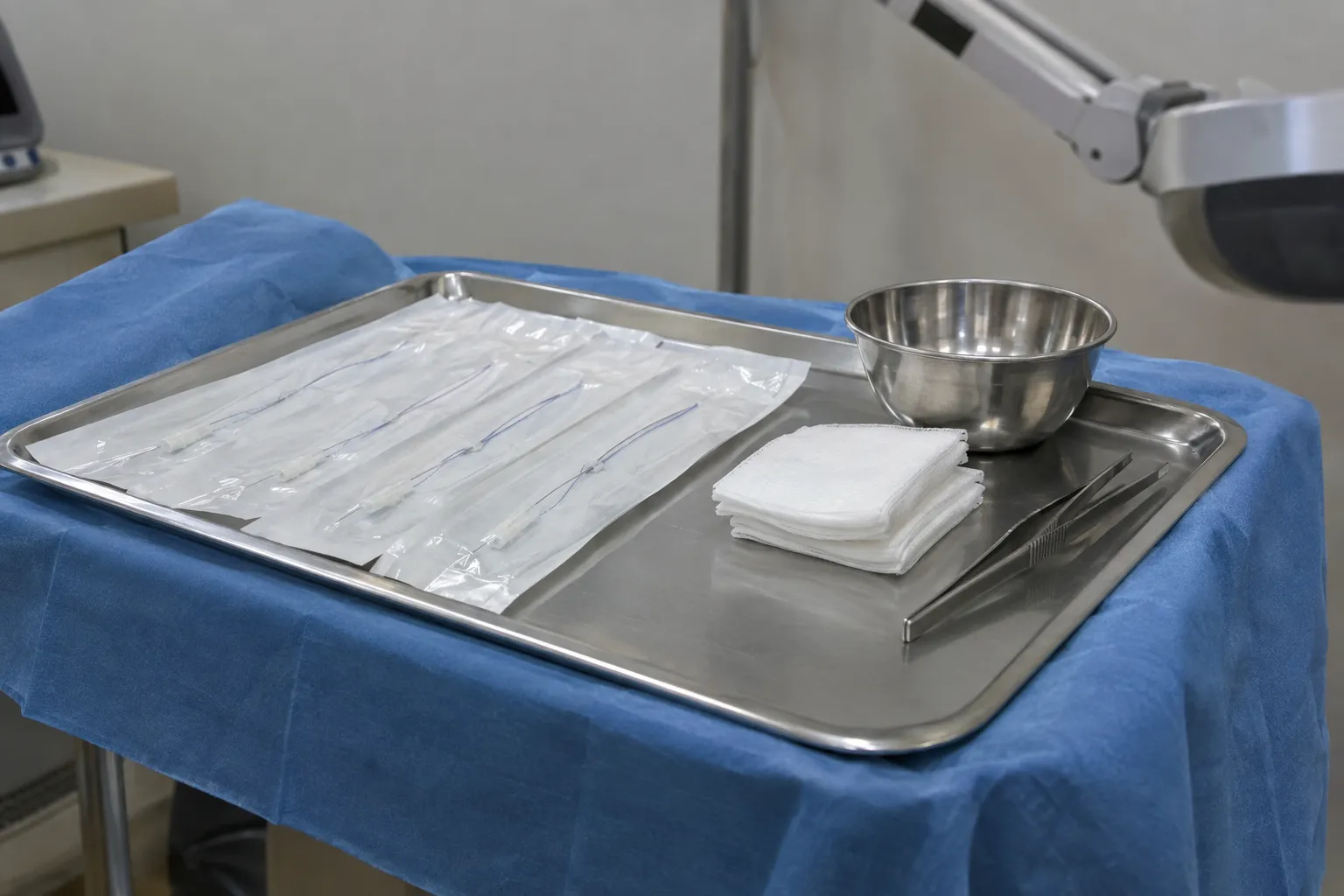
Seoul skin cancer screening is harder to find than you would expect from a city with a dermatology clinic on every other floor. Most of those clinics are aesthetic. They are extremely good at removing a mole and not set up to tell you what it was.
Skin cancer is a smaller part of the medical picture in Korea than in Australia, the United States or northern Europe, so routine mole mapping is less of a cultural habit here. The type that matters most in East Asian populations also behaves differently: melanoma appears relatively more often on palms, soles and under nails, places people rarely think to look.
If you want a skin check while you are in Seoul, this is how to ask for the medical version rather than the cosmetic one.
Two very different appointments
Both appointments start with someone looking at your skin. What they are equipped to do next is the whole difference.
| Aesthetic mole removal | Medical skin check | |
|---|---|---|
| Main purpose | Making a spot disappear | Finding out what a spot is |
| Tool | Laser or radiofrequency | Dermoscope, then excision if needed |
| Tissue sent to pathology | Often not, unless requested | Yes, when anything is removed |
| Full-body examination | Rarely | Yes, if you ask for one |
| Where | Aesthetic dermatology clinics | Dermatology departments and medical dermatology clinics |
| Time it takes | Minutes | Twenty to forty minutes |
The estimated per-spot range for removal is on our mole removal page, and what is realistic in a single visit is covered in moles, milia and skin tags in Seoul.
The question that changes the appointment
There is one sentence that turns a cosmetic booking into a medical one, and it has to be said before anything touches the skin.
If a doctor looks at a spot and says it should be excised rather than lasered, that is not upselling. Take it seriously, and take the pathology report with you when you leave the country.
Where to look on yourself before you go
Dermatologists teach a simple pattern for what deserves a professional look. It is not a diagnosis, it is a reason to book.
- A spot that is changing: size, shape, colour or border, over months rather than years.
- Asymmetry, ragged edges, more than one colour, or a diameter larger than a pencil eraser.
- A mark on a palm, a sole, a fingertip or under a nail, especially a dark band in a nail that is widening. This pattern matters more in East Asian skin and is easy to dismiss as a bruise.
- Anything that bleeds, crusts, itches persistently or does not heal within a few weeks.
- A new spot appearing after the age of about forty, when new moles are less usual.
Take photos before you travel, with something for scale, and bring them. A doctor comparing today with six months ago learns more than a doctor seeing a single snapshot.
What a proper skin check in Seoul involves
- A history: your skin type, sun exposure, family history, any spot you are worried about.
- A look with a dermoscope, a lens with a light that shows the pigment pattern under the surface. Ask for it by name; it is standard equipment but not always used in a quick cosmetic visit.
- A decision per spot: leave it, photograph and review it later, or remove it and examine it.
- If excision is chosen, a local anaesthetic, a small removal and usually stitches. Pathology takes about a week.
- A plan for anything being watched, written down with the interval, so a doctor at home can pick it up.
Cosmetic outcome matters too, and a face is not a back. Where a stitch line will sit is a fair question to ask before you agree.
Most spots are not cancer, and Korea is very good at those
The majority of what worries people turns out to be pigment or a benign growth. Korean dermatology treats those extremely well, which is part of why the clinics here are busy with visitors.
- Sun spots and freckles: flat, brown, symmetrical, arriving with sun exposure. Treated with pigmentation laser once a doctor has named them.
- Melasma: larger patches, often on the cheeks or upper lip, hormonally influenced and stubborn. It needs a plan, not a single strong laser.
- Seborrhoeic keratoses: raised, waxy, stuck-on looking growths that become common with age. Benign, and easy to remove.
- Skin tags and milia: covered in moles, milia and skin tags.
- Anything a doctor cannot confidently name by looking: that is what dermoscopy and, if needed, pathology are for.
The order matters. Have the medical look first, then decide what to treat cosmetically. A laser aimed at what looked like a sun spot is a bad way to find out it was something else.
Fitting it around the rest of a trip
- Book the skin check before any laser or peel appointments, so a doctor sees the skin undisturbed.
- Leave a week between an excision and a long flight if you can, and keep the wound dry as instructed.
- Avoid a jjimjilbang and the swimming pool while stitches are in. The reasoning is in sauna and aftercare.
- Sun protection is aftercare, not vanity. A fresh scar pigments easily.
- Take the pathology report and the removal record home as files, in English if possible.
If your skin concerns are cosmetic rather than medical, the menu is laid out in Korean skin treatments compared and on our dermatology page. If you are not sure which you need, clinic matching takes about two minutes.