Sylfirm X or Potenza in Seoul: which RF microneedling suits which problem
Written by KCODI medical interpreter team · English deskUpdated · 8 min read

In shortSylfirm x korea and Potenza are both radiofrequency microneedling, made by different Korean manufacturers. Sylfirm X is chosen for melasma and redness, Potenza for pores and scars. The tips decide the price.
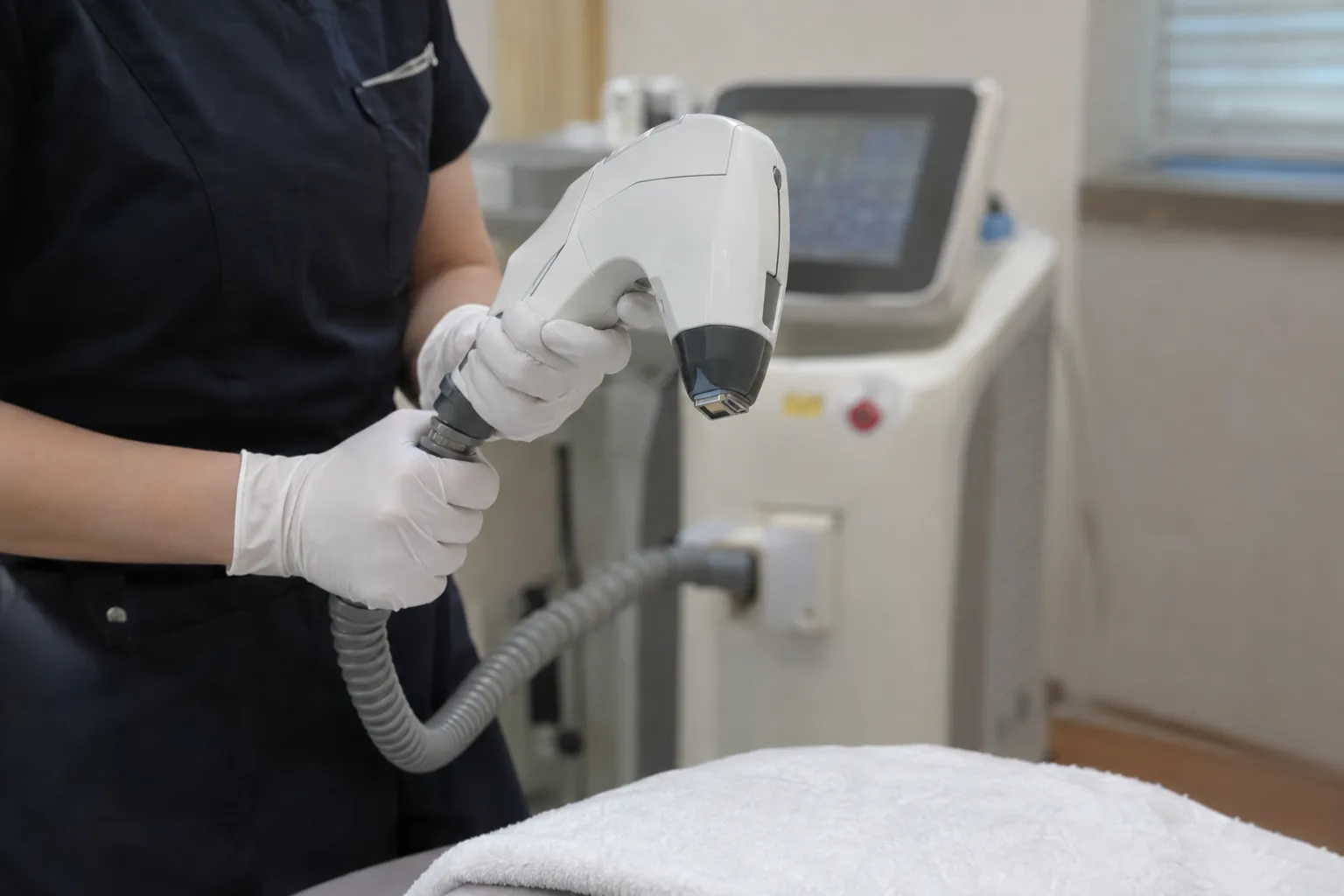
Two names keep appearing on the Gangnam price boards you have been screenshotting, and nobody explains the difference. Sylfirm x korea is one. Potenza is the other. Both are Korean-made, both are radiofrequency through needles, and clinics carry one or the other because of what they paid for it.
The honest version: they overlap heavily, and the one that matters is the one whose particular strength matches your face. Sylfirm X is the platform Korean dermatologists reach for when the problem has colour in it — melasma, flushing, stubborn redness. Potenza is the one they reach for when the problem has texture in it.
Here is what each does, what the quote is actually counting, and the three questions that separate a clinical recommendation from an inventory recommendation.
What is Sylfirm X, and why do Korean clinics use it for melasma?
Sylfirm X is a radiofrequency microneedling device from the Korean manufacturer Viol, written 실펌엑스 on menus. Its selling point is two modes: a pulsed wave setting aimed at vascular and pigment-related concerns, and a continuous wave setting aimed at remodelling.
That pulsed mode is why it turns up in melasma plans. Melasma is famously easy to worsen with aggressive heat and light, and Korean dermatologists tend to build a slow combination plan around it rather than one dramatic session. How that plan usually looks is set out in melasma and uneven tone in Korea.
Expect three to five sessions spaced a few weeks apart for a pigment concern, and expect the doctor to keep the energy conservative. If someone offers to clear melasma in one visit before your flight, that is a sales answer.
What is Potenza, and what is it better at?
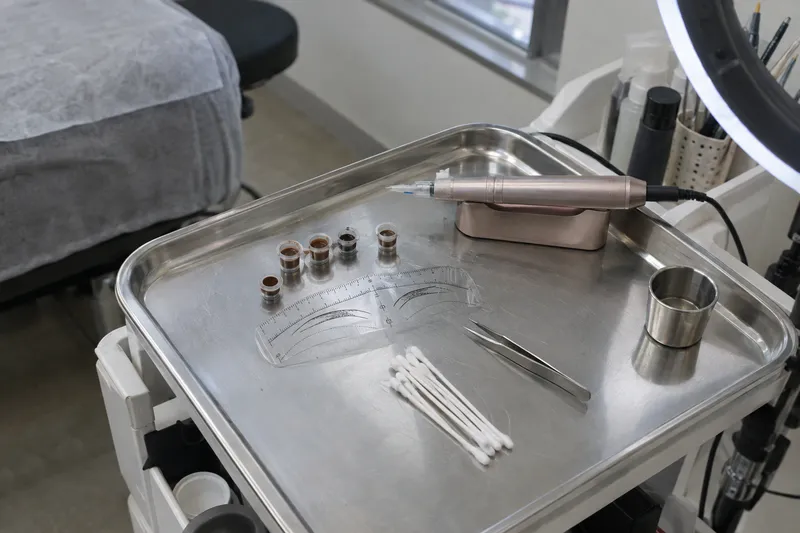
Potenza is the radiofrequency microneedling platform from Jeisys Medical, another Korean manufacturer, written 포텐자. It runs several tip types and both monopolar and bipolar delivery, which is why one clinic uses it for pores, another for scars, and a third for fine lines around the mouth.
A potenza laser korea listing is slightly misleading, because it is not a laser at all — no light, only needles and radiofrequency. The practical difference from the other platform is flexibility: the tip is swapped for the zone, so a single appointment can move from cheeks to nose to jaw at different depths.
| Sylfirm X | Potenza | |
|---|---|---|
| Made by | Viol (Korea) | Jeisys Medical (Korea) |
| Usually chosen for | Melasma, redness, flushing, vascular tone | Pores, acne scars, texture, fine lines |
| Typical course | 3–5 sessions, conservative energy | 2–4 sessions, energy by zone |
| Downtime | Redness, hours to a day, pinpoint marks possible | Redness and grid marks, roughly 1–3 days |
| Priced by | Area and pass count, tip included per session | Tip type and area; a second tip is a second charge |
How much is it in Seoul, and what moves the price?
The number on the window is one area, one tip, no extras. Everything past that is priced separately, which is how two people quoted the same treatment leave with different receipts.
- Area. Cheeks only, full face, full face and neck are three different prices.
- Tips. Single-use and the clinic's largest cost. Ask how many the price includes.
- Add-on ampoule. A potenza exosome korea package is the platform plus an exosome or PDRN product, and the product is most of the price difference.
- Course versus single. Course rates assume you live here.
- Numbing and aftercare. Cream, a soothing mask, LED: sometimes bundled, sometimes three extra lines.
The current bracket for needling and tightening treatments is on the lifting treatment page, and how Korean price sheets are structured is covered in checking a clinic before you pay.
What about Agnes, and the other name on the same menu?
Agnes is a different device, not a Potenza setting. A potenza agnes seoul listing usually means the clinic owns both, and lists them together because both are radiofrequency through fine insulated needles.
Agnes is used in Korea for individual acne lesions and for small, targeted areas such as the under-eye, one needle at a time, rather than stamping a whole cheek. It is slower, more selective, and priced per lesion or per small zone. If your concern is recurring cystic spots in the same place, ask about it by name.
Do the reviews tell you anything useful?
Reviews tell you about the reception desk, not about your skin. Korean clinic review pages are dominated by two visits: the first, written while the redness feels like progress, and the discounted one written for a voucher.
What is worth reading for is process, not results: whether a doctor did the consultation, whether the quoted price held, whether anyone explained the downtime before the appointment rather than after. Those three details predict your experience far better than a before photo you cannot verify.
For pigment concerns, the machine matters less than the plan around it: sun discipline, the topical prescription you take home, and whether anyone warned you that melasma returns. The full Seoul skin menu is sorted in Korean skin treatments compared, and if you would rather be matched than research, use the matching form.