Morpheus8 in Korea: what RF microneedling actually does, and what it costs you
Written by KCODI medical interpreter team · English deskUpdated · 8 min read

In shortMorpheus8 korea searches land on RF microneedling: insulated needles put radiofrequency heat into the dermis for texture, acne scars and mild laxity. Seoul prices move with area, passes and the single-use tip.
You have seen Morpheus8 on an Instagram account, then found it on a Seoul price list under a name you cannot read, sitting between four other treatments that all claim to do the same thing. Morpheus8 korea is the search you ran next.
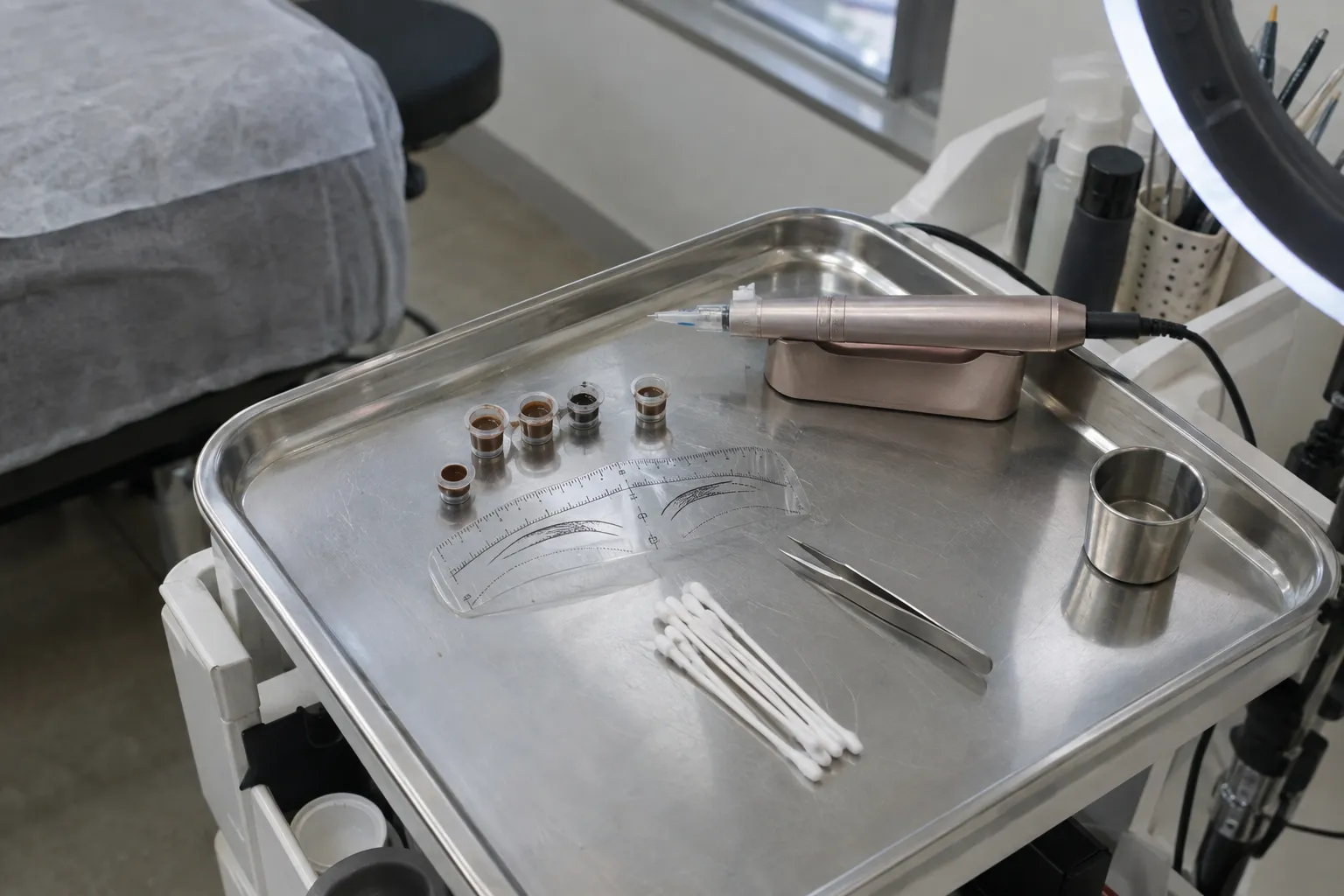
It is not a laser. It is a needle that carries radiofrequency. The needles enter the skin to a depth the doctor sets, and the tip releases heat at that depth. The surface is barely touched; the work happens underneath.
That single mechanical fact decides everything a visitor needs to know: what it can change, how many sessions the change takes, why it is sold by tip and not by minute, and whether a five-day trip is enough to bother starting.
What is Morpheus8, and how is it done in Korea?
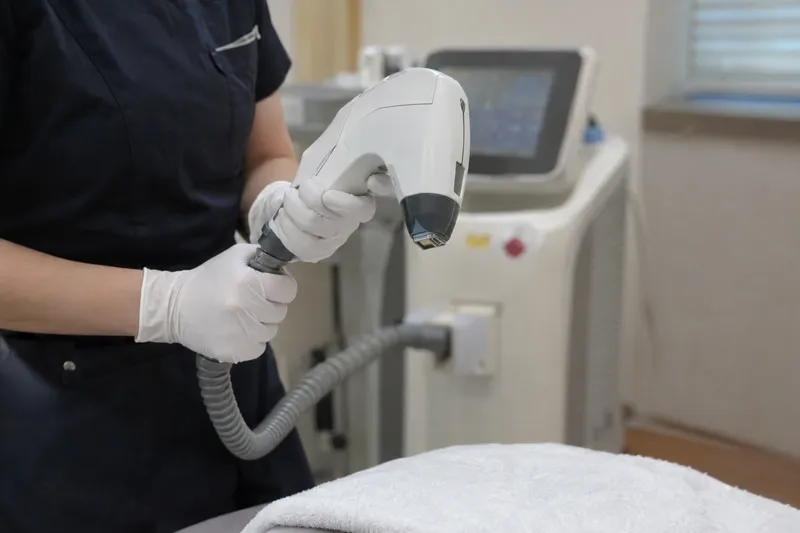
Morpheus8 is the radiofrequency microneedling platform made by InMode, spelled that way by the manufacturer and written 모피어스8 on Korean menus. A tip of insulated needles stamps into the skin, then delivers radiofrequency at the needle tips to heat the dermis while sparing the surface.
In a Seoul clinic the sequence is ordinary: numbing cream for roughly thirty minutes, the doctor selects a needle depth for each zone, two to three passes, then cooling. Cheeks, jawline and neck are usually treated in one appointment. You leave with a red, warm, slightly gritty face.
It is aimed at skin quality rather than lift: enlarged pores, rolling acne scars, crepey texture, early laxity. It does not replace the ultrasound and radiofrequency lifting machines on the same menu, which are compared in the Seoul lifting board, and it is not a substitute for surgery.
How is it different from Dermapen, auto MTS and PRP microneedling?
The difference is heat. Dermapen korea and auto MTS korea both describe motorised microneedling with no energy: the needle makes the channel, and that is the whole treatment. Morpheus8 adds radiofrequency inside the same channel, so it reaches deeper and does more to collagen — and costs more.
| Menu name | What it is | Aimed at | Visible downtime |
|---|---|---|---|
| Morpheus8 (모피어스8) | Insulated microneedles + radiofrequency | Pores, rolling acne scars, texture, early laxity | Redness and grid marks, roughly 1–3 days |
| Dermapen, auto MTS | Motorised microneedling, no energy | Texture, shallow scars, product delivery | Redness, usually under 24 hours |
| PRP microneedling, PRP facial | Microneedling plus your own spun plasma | Texture and healing support after needling | Redness, sometimes mild swelling for a day |
| Booster microneedling (PDRN, exosome ampoule) | Needling plus a topical or injected ampoule | Hydration, redness, post-laser recovery | Redness, under 24 hours |
A prp facial korea listing usually means blood drawn on site, spun in a centrifuge, then applied with needling. Ask whether the plasma is prepared in the clinic on the day, because that is the only version worth paying for. The injectable menu it sits beside is unpacked in the Korean injectables menu.
What changes the Morpheus8 cost in Korea?
Almost all of it is the tip and the map. Radiofrequency microneedling tips are single-use, they are the clinic's real cost, and every quote is built on how many tips your face needs.
- Area map. Lower face only, full face, full face plus neck: three prices under one treatment name.
- Number of tips. A second tip is opened when the first is spent, and the second tip is charged.
- Depth and passes. More zones at more depths means longer and more expensive, and it is a clinical decision, not an upsell you can decline blindly.
- Boosters. An exosome or PDRN ampoule added after the passes is a separate line that often appears only on the final receipt.
- Course pricing. Three sessions at a discount is the standard Korean offer, and it is worth nothing to someone flying home on Sunday.
Prose cannot honestly quote a number that moves with your face, so the current bracket is rendered on the lifting and tightening treatment page, and what the price sheet looks like generally is in our clinic vetting guide.
Is one session worth it on a short trip?
One session is worth it only if you understand what one session buys. Most doctors plan three, spaced three to four weeks apart, and the collagen change is read at roughly three months — long after your flight.
- Day 0 to 1: red, hot, tight. A grid pattern of tiny dots is normal and visible in daylight.
- Day 2 to 4: the grid fades, the skin feels like fine sandpaper, makeup goes on badly.
- Week 2 onwards: texture starts to settle. Nothing dramatic, and nobody should promise you dramatic.
- Plan the session at the start of your trip, not the day before a flight or a wedding.
- If you are also booking a pigment laser, the order matters and the doctor decides it — do not stack both in one afternoon because the schedule was convenient.
Who should not book RF microneedling in Seoul?
Some people should hear no, and a good clinic says it. Active inflammatory acne, an open wound, recent isotretinoin, a keloid history, pregnancy, or a pacemaker and similar implanted devices all change the answer, and the last one rules out radiofrequency outright.
Deeper skin tones are treated with radiofrequency microneedling routinely, and the usual caution is post-inflammatory pigment rather than the device itself. Say your skin history in the consultation even if nobody asks, because the question list a Korean clinic runs through is shorter than you expect.
If what bothers you is sagging rather than texture, heat through needles is the wrong tool and the non-surgical lifting options or a surgical plan are the honest conversation. If it is acne scarring, the acne scar treatment page sets out what is normally combined with it.
What happens after you message us?
A person reads your photo and your dates, in English, and answers within 10 minutes during 09:00–22:00. Not a bot and not a call centre reading a script.
You get two or three partner clinics that actually own the device, the itemised quote with the tip count on it, and a booking at the local partner rate. On the day, your interpreter meets you at the clinic, sits in the consultation, and keeps translating while your eyes are closed and the passes are being counted. If you would rather see the faces first, meet the interpreters, or let the matching form do the shortlisting.